

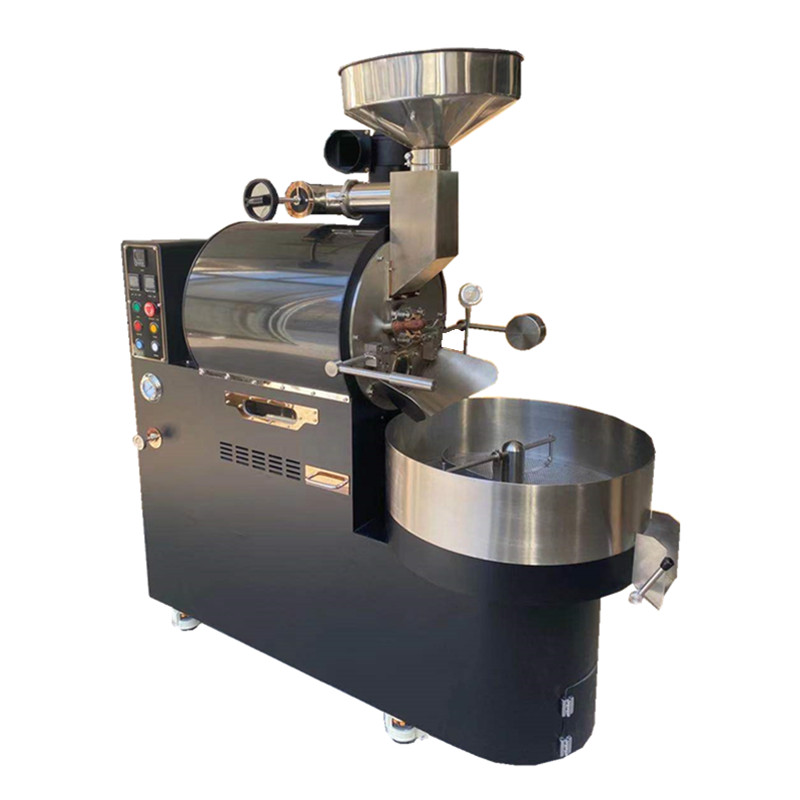
Multi – Functional Design of Coffee Roasters: Enhancing the Art of Roasting
Versatile Roasting Profiles
One of the key aspects of a multi – functional coffee roaster is its ability to create a wide range of roasting profiles. This flexibility allows roasters to cater to different coffee preferences and bean characteristics.
Adjustable Temperature and Time Settings
A well – designed coffee roaster offers precise control over temperature and time during the roasting process. Roasters can set different temperature curves to achieve various roast levels, from light to dark. For instance, a light roast typically requires a lower initial temperature and a shorter overall roasting time, which helps to preserve the bean’s natural acidity and floral notes. On the other hand, a dark roast needs a higher temperature and a longer time to develop rich, caramelized flavors and a bold body. By having adjustable temperature and time settings, roasters can experiment with different combinations to bring out the best in each batch of beans.
Variable Airflow Control
Airflow plays a crucial role in the roasting process as it affects the heat transfer and the development of flavors. A multi – functional coffee roaster allows for variable airflow control. In the early stages of roasting, a higher airflow can help to dry the beans evenly and remove any chaff. As the roast progresses, adjusting the airflow can influence the rate of heat absorption and the development of specific flavor compounds. For example, reducing the airflow towards the end of the roast can create a more intense and concentrated flavor profile, while increasing it can result in a lighter and more delicate taste.
Integration with Quality Monitoring Systems
To ensure consistent and high – quality roasts, multi – functional coffee roasters can be integrated with advanced quality monitoring systems. These systems provide real – time data and feedback, enabling roasters to make immediate adjustments if necessary.
In – Process Moisture Analysis
Moisture content in coffee beans changes significantly during roasting. An in – process moisture analysis system within the roaster can continuously measure the moisture level of the beans. This information is vital as it helps roasters determine the optimal roasting time and temperature. If the moisture content is still high towards the end of the expected roast time, the roaster can extend the roasting process slightly to ensure proper drying. Conversely, if the moisture is dropping too quickly, the roaster can adjust the settings to prevent over – drying and preserve the bean’s flavor.
Color and Aroma Sensing Technology
The color and aroma of roasted coffee beans are important indicators of their quality and roast level. Multi – functional roasters can be equipped with color and aroma sensing technology. Color sensors use optical methods to measure the color of the beans, providing an objective assessment of the roast degree. Aroma sensors, on the other hand, can detect the volatile compounds released during roasting, which are responsible for the coffee’s unique aroma. By integrating these sensors, roasters can monitor the color and aroma development in real – time. For example, if the aroma sensors detect a lack of certain fruity or nutty notes, the roaster can adjust the roasting parameters to enhance those flavors.
Customization for Specialty Coffee Production
The growing demand for specialty coffee has led to the need for coffee roasters with features that can handle the unique requirements of high – quality, rare beans.
Micro – Batch Roasting Capability
Specialty coffee often involves small quantities of rare and high – value beans. A multi – functional coffee roaster with micro – batch roasting capability can roast very small amounts of beans, typically ranging from a few hundred grams to a few kilograms. This allows specialty coffee roasters to experiment with different roast profiles for each unique bean variety without wasting large quantities. For example, a roaster might want to develop a special roast for a single – origin, limited – edition coffee. With micro – batch roasting, they can fine – tune the roast to bring out the bean’s distinct flavors and characteristics.
Precise Heat Distribution Control
To achieve the perfect roast for specialty coffee, precise control over heat distribution within the roasting chamber is essential. Multi – functional roasters offer advanced heat distribution control systems. These systems can adjust the heat source intensity and direction to create different roasting environments. For instance, some beans may require a more gentle and even heat distribution to develop complex flavors without burning. By having precise control over heat distribution, roasters can ensure that each bean in the batch receives the exact amount of heat needed for optimal flavor development, resulting in a high – quality, consistent specialty coffee product.