
Crafting Your Ideal Roast: The Power of Custom Coffee Roaster Solutions
For coffee businesses aiming to stand out, a one-size-fits-all approach to roasting equipment rarely delivers the precision or uniqueness needed to thrive. Custom roaster services bridge this gap, offering tailored solutions that align with your specific workflow, production goals, and flavor aspirations. Here’s how personalized modifications can elevate your roasting process from functional to exceptional.
Why Customization Matters in Coffee Roasting
Addressing Unique Space and Energy Constraints
Not every roastery has the luxury of expansive floor plans or unlimited power access. Custom services allow you to adapt a roaster’s dimensions, ventilation systems, or energy requirements to fit your space seamlessly. For example, a compact design with vertical drum placement might suit a narrow urban café, while a larger operation could prioritize energy-efficient heating elements to reduce long-term costs.
Fine-Tuning for Specialized Roast Profiles
Different beans demand different approaches. A custom roaster can incorporate adjustable airflow controls, variable heat zones, or even modular drums to handle diverse origins or roast levels. If your menu focuses on light, fruit-forward coffees, you might prioritize rapid cooling systems to preserve acidity. For darker, chocolatey profiles, enhanced heat retention could ensure consistency across batches.
Integrating Automation for Scalability
As your business grows, manual processes can become bottlenecks. Customization lets you add automation features like programmable roast profiles, batch tracking, or self-cleaning mechanisms. These upgrades streamline operations, reduce human error, and free up time for quality control or creative experimentation.
Key Areas to Customize in Your Roasting Equipment
Drum Configuration and Material
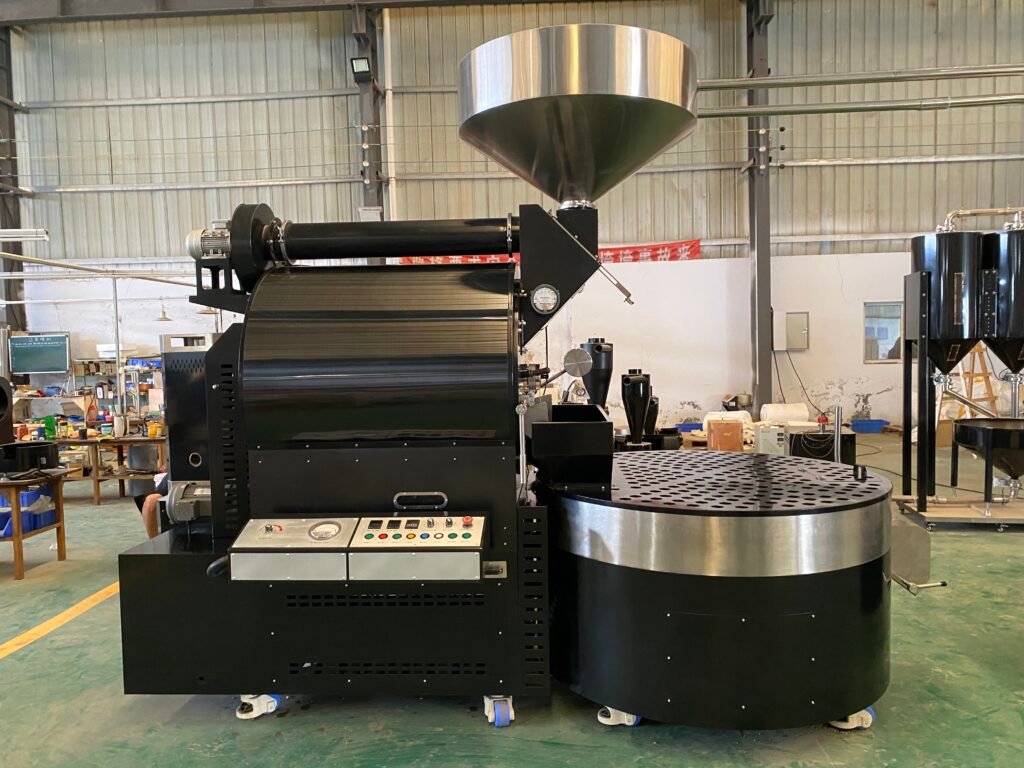
The drum is the heart of the roaster, influencing heat distribution and bean movement. Custom options might include choosing between perforated or solid drums, adjusting drum thickness for heat retention, or even selecting non-reactive materials like stainless steel for specific flavor outcomes. A thicker drum, for instance, could maintain stable temperatures for longer roasts, while a perforated design promotes even agitation for delicate beans.
Control Interface and Data Integration
User-friendly controls are essential for precision, but off-the-shelf interfaces may not match your team’s expertise. Custom interfaces can range from simplified touchscreens for beginners to advanced systems with real-time data monitoring for professionals. Imagine integrating your roaster with inventory software to track bean usage automatically or connecting it to a mobile app for remote adjustments—these possibilities turn roasting into a data-driven art.
Exhaust and Chaff Management Systems
Efficient ventilation and chaff collection are critical for safety and consistency. Custom exhaust systems can be designed to minimize heat loss or noise, while advanced chaff separators reduce fire risks and downtime. For high-volume roasters, a self-emptying chaff bin or dust-extraction features could save hours of manual cleaning each week.
Navigating the Customization Process
Collaborating With Engineers and Roast Masters
Customization works best as a dialogue. Start by sharing your goals, challenges, and roast preferences with the service provider. A roast master might suggest tweaking airflow patterns based on your typical bean profiles, while an engineer could propose structural changes to improve energy efficiency. Regular testing and feedback loops ensure the final design meets your expectations.
Prioritizing Modularity for Future Flexibility
Even with a custom roaster, your needs may evolve. Opt for modular components that can be upgraded or swapped later. For example, a drum designed for easy replacement lets you experiment with different materials without overhauling the entire machine. Similarly, scalable control systems allow you to add features like AI-driven roast optimization as your business grows.
Testing Prototypes With Your Beans
Before finalizing a design, insist on testing prototypes with your preferred beans. This step reveals how the roaster handles real-world variables like moisture content or density. Pay attention to roast times, flavor development, and machine behavior under stress. Iterative adjustments during this phase prevent costly revisions after installation.
Final Thoughts
Custom coffee roaster services aren’t just about building a machine—they’re about creating a tool that embodies your brand’s identity and operational philosophy. By focusing on practicality, scalability, and flavor precision, you can transform roasting from a routine task into a competitive advantage. Start exploring customization options today, and let your roaster become as unique as the coffee it produces.