

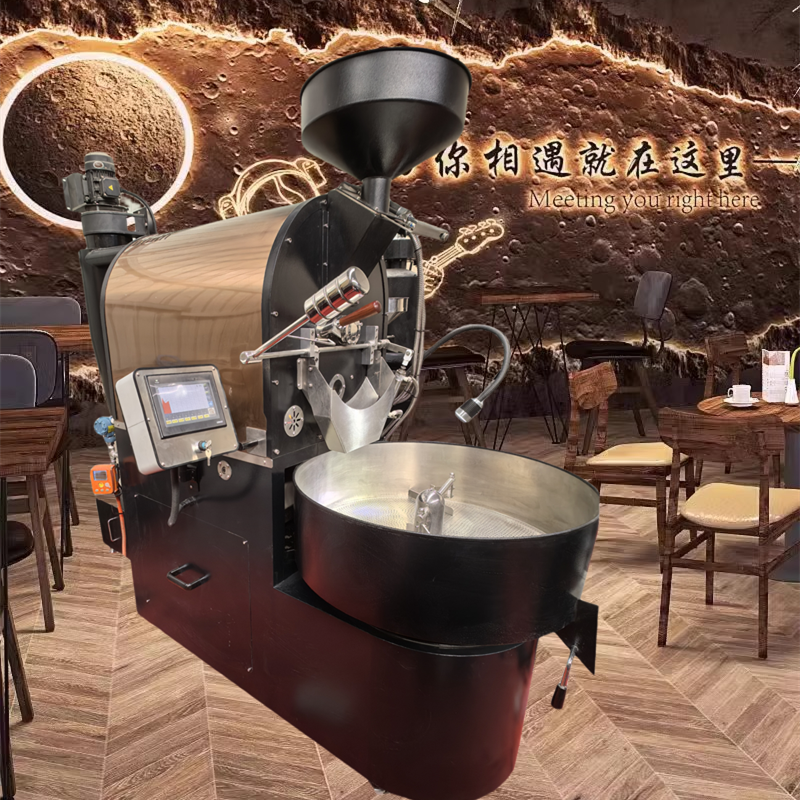
User Feedback on Coffee Roasting Machines: Performance, Usability, and Long-Term Value
Consistent Roast Quality and Flavor Precision
Many users praise coffee roasting machines for their ability to deliver uniform batches, even for beginners. Advanced thermal sensors and airflow systems ensure stable temperatures, reducing the risk of uneven roasting. For instance, some models maintain temperature stability within ±2°C, which is critical for preserving delicate flavor notes in specialty beans. Users also highlight the versatility of machines that allow adjustments to roast profiles, enabling them to experiment with light, medium, and dark roasts. This adaptability is particularly valued by small businesses aiming to cater to diverse customer preferences without compromising quality.
A recurring theme in feedback is the machines’ capacity to highlight regional bean characteristics. For example, users in humid climates appreciate corrosion-resistant materials that prevent rust, while those in colder regions benefit from insulated chambers that maintain consistent internal temperatures. These design considerations ensure reliable performance across environments, making the machines suitable for global markets.
Ease of Use and Maintenance
User-friendly interfaces and automated features are frequently cited as game-changers. Many machines offer programmable settings, allowing users to save custom roast profiles for repeatability. This is especially useful for small-scale roasters who need to streamline production without sacrificing consistency. Additionally, modular designs with detachable parts simplify cleaning and maintenance, reducing downtime. For example, self-cleaning cycles or easy-access components for manual cleaning are highlighted as time-saving features that enhance long-term usability.
Some users note that intuitive controls, such as touchscreens or mobile app integration, make it easier to monitor roast curves in real time. This level of precision is appreciated by both novices and experienced roasters, as it reduces the learning curve and allows for quick adjustments mid-roast. However, a few reviews mention that overly complex interfaces can be overwhelming, emphasizing the importance of balancing advanced features with simplicity.
Durability and Cost Efficiency
The longevity of coffee roasting machines is a key factor in user satisfaction. Models built with high-grade stainless steel or reinforced alloys are praised for their resistance to wear and tear, even under heavy use. Users in commercial settings, such as cafés or small roasteries, report that robust construction reduces the need for frequent repairs or replacements, translating to lower operational costs over time.
Energy efficiency is another highlighted advantage. Machines with heat recovery systems or insulated chambers consume less power, cutting utility bills without affecting performance. For example, some users calculate significant annual savings by switching to energy-efficient models, making them a cost-effective investment for businesses scaling up production. The combination of durability and efficiency positions these machines as practical choices for both home enthusiasts and professional roasters.
Scalability for Growing Demands
Adaptability to evolving needs is a recurring theme in user feedback. Many machines are designed to scale from small batches to larger volumes, supporting businesses as they expand. For instance, modular production lines allow users to upgrade capacity without overhauling their entire setup, protecting their initial investment. This flexibility is particularly valuable in emerging coffee markets, where demand can fluctuate rapidly.
Users also appreciate machines that integrate seamlessly with other equipment, such as grinders or packaging systems, creating efficient workflows. For example, some models feature automated stone removal or smoke purification, streamlining post-roast processes and ensuring compliance with safety standards. These integrations reduce manual labor and minimize errors, further enhancing operational efficiency.