

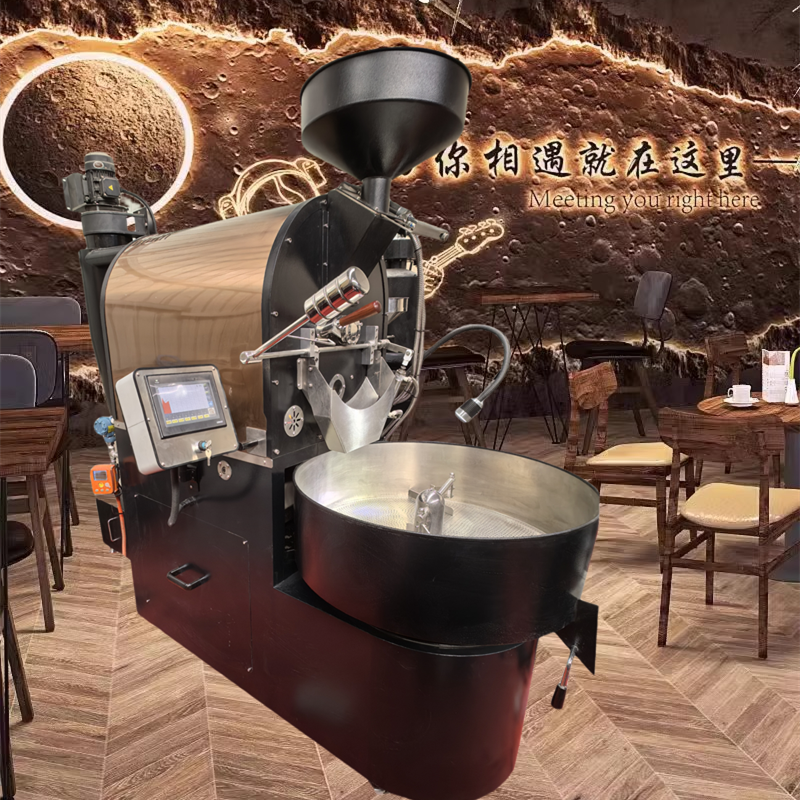
Key Considerations for Transporting Coffee Roasting Machinery
Transporting coffee roasting equipment requires meticulous planning to ensure machinery arrives intact and operational. The process involves addressing environmental risks, mechanical stability, and logistical coordination. Below are critical factors to prioritize during transportation.
Protecting Equipment During Transit
Handling Vibration and Impact
Coffee roasters are precision instruments sensitive to vibrations and sudden impacts. During transportation, even minor jolts can misalign internal components like heating elements or drum bearings. To mitigate this, use shock-absorbing materials such as foam inserts or air cushions when securing the machinery in crates. For larger roasters, consider pneumatic conveyors or hydraulic lifts to minimize manual handling, which reduces the risk of drops or collisions.
Temperature and Humidity Control
Roasting equipment is vulnerable to extreme temperatures and moisture. High humidity can cause metal parts to rust, while excessive heat may damage electrical systems. If transporting across climates, opt for climate-controlled containers or vehicles. For shorter trips, wrap the machinery in waterproof tarps and include desiccant packets inside packaging to absorb residual moisture. Avoid exposing equipment to direct sunlight during loading and unloading.
Secure Packaging Techniques
Proper crating is essential to prevent shifting during transit. Use custom-sized wooden crates with reinforced corners to enclose the roaster. Anchor the machinery to the crate base using bolts or industrial-grade straps. Fill empty spaces with dunnage—such as corrugated cardboard or foam blocks—to eliminate movement. For international shipments, label crates with “Fragile” and “This Side Up” indicators to guide handlers.
Logistical Planning for Safe Delivery
Choosing the Right Transportation Mode
The choice between road, sea, or air freight depends on distance, urgency, and budget. For domestic moves, flatbed trucks with hydraulic tail lifts simplify loading heavy roasters. International shipments often require sea freight for cost efficiency, but prioritize full container loads (FCL) to avoid contamination from other cargo. Air freight is ideal for urgent deliveries but tends to be expensive and may involve stricter size restrictions.
Coordinating with Professional Movers
Hiring movers experienced in industrial equipment is non-negotiable. Specialized rigging teams understand how to disassemble larger roasters, secure components, and reassemble them at the destination. Request a pre-move survey to assess access points at both locations—narrow doorways or staircases may necessitate cranes or hoists. Provide movers with detailed diagrams of the machinery’s dimensions and weight distribution to ensure safe handling.
Insurance and Documentation
Transport insurance is critical to cover potential damages. Document the machinery’s condition before shipping with photos or videos, noting any pre-existing scratches or dents. Prepare a packing list detailing all components, including removable parts like chaff collectors or control panels. For international shipments, ensure compliance with customs regulations, such as providing certificates of origin or sanitary permits if required.
Post-Transportation Setup and Testing
Reassembling and Calibrating Equipment
Upon arrival, inspect the roaster for visible damage before unpacking. Reassemble dismantled parts according to the manufacturer’s guidelines, using torque wrenches to tighten bolts to specified levels. Recalibrate temperature probes and drum speed sensors to guarantee accuracy, as transportation vibrations may have shifted settings. Test the machinery with a short, low-heat roast to verify functionality before full-scale production.
Staff Training and Safety Checks
Train operators on any changes to the roaster’s setup post-transportation. Emphasize safety protocols, such as checking for loose fittings or electrical hazards before use. Schedule a maintenance review after the first few roasts to address minor issues like misaligned drums or worn gaskets. Keep a log of transportation-related adjustments to inform future moves or warranty claims.
Optimizing Workflow Integration
Relocating a roaster often requires reconfiguring production lines. Map out the new layout to minimize bottlenecks, ensuring easy access to green bean storage, packaging stations, and quality control areas. If the move involved upgrading to a larger roaster, adjust batch sizes and roasting schedules accordingly. Communicate timeline changes to suppliers and customers to maintain smooth operations during the transition.
By addressing these considerations, coffee roasters can navigate transportation challenges without compromising equipment integrity or production efficiency.