

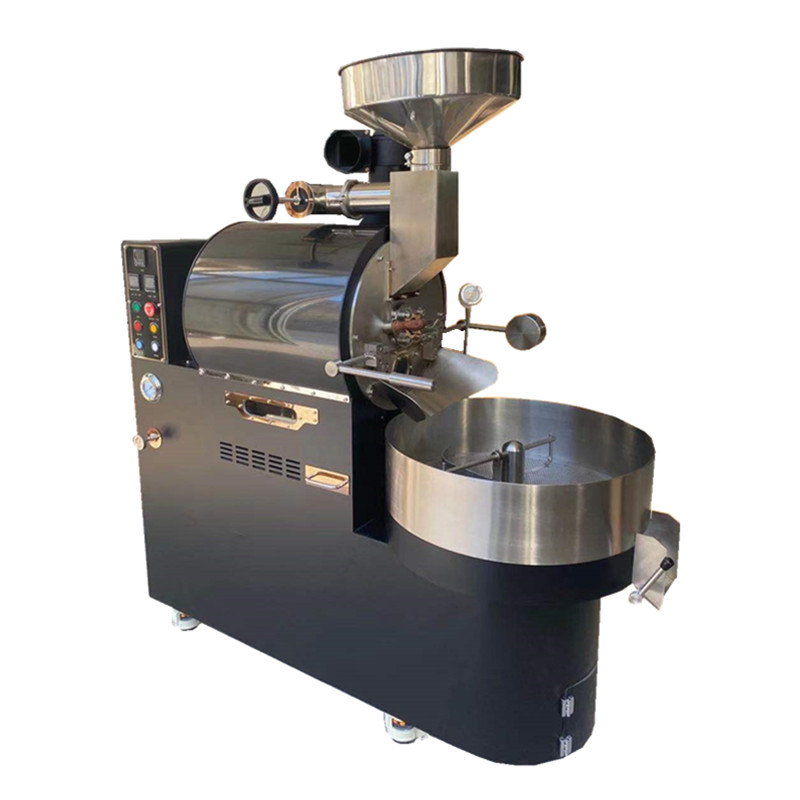
Ensuring Voltage Stability for Coffee Roasting Machines: Key Considerations for Consistent Performance
The Impact of Voltage Fluctuations on Roast Quality
Voltage instability can disrupt the heating process in coffee roasters, leading to uneven roasts or batch failures. Most roasting machines rely on precise temperature control to develop flavor profiles, and even minor voltage drops (5–10%) can cause heating elements to underperform. This results in under-roasted beans with grassy or sour notes, while surges may overheat batches, producing burnt or bitter flavors.
Inconsistent voltage also affects drum rotation speed in drum roasters. Fluctuations can slow or accelerate the drum, altering airflow and heat distribution. This inconsistency makes it difficult to replicate roast curves, especially for specialty coffees requiring strict time-temperature parameters.
Electronic components like digital thermometers and programmable controllers are vulnerable to voltage spikes. Sudden surges can damage sensors or corrupt firmware, leading to inaccurate readings or system crashes. Over time, repeated fluctuations shorten the lifespan of capacitors and resistors, increasing maintenance costs.
Identifying Common Causes of Voltage Instability
Grid-related issues are a primary source of instability. Older buildings or areas with outdated electrical infrastructure often experience brownouts (prolonged low voltage) or swells (temporary high voltage). Lightning strikes or nearby heavy machinery can also trigger short-term spikes that damage sensitive electronics.
Internal wiring problems within a facility compound these risks. Overloaded circuits, loose connections, or corroded outlets create resistance, causing voltage drops along the line. For example, running a roaster on the same circuit as air conditioners or industrial equipment may lead to inconsistent power delivery during peak usage.
Machine-specific factors include faulty power cords or internal wiring. Frayed cords or damaged insulation reduce conductivity, while poor soldering on heating elements introduces resistance. Even a slight increase in resistance can amplify voltage drops, especially in high-wattage roasters.
Solutions for Maintaining Stable Voltage
Installing a dedicated circuit for the roaster isolates it from other appliances, preventing shared load issues. A licensed electrician can assess the facility’s electrical capacity and install a circuit with the appropriate amperage (typically 20–30A for commercial roasters). This ensures the machine receives consistent power without competing for resources.
Voltage regulators or stabilizers compensate for fluctuations by automatically adjusting output. These devices smooth out minor dips and surges, maintaining a steady voltage within ±1–2% of the target value. For regions with frequent brownouts, consider a line-interactive UPS (Uninterruptible Power Supply) that provides backup power during outages while regulating voltage.
Surge protectors safeguard against transient spikes caused by lightning or equipment switching. Choose models with high joule ratings (1,000–2,000 joules) and fast response times (<1 nanosecond) to divert excess energy before it reaches the roaster. Pair surge protectors with grounded outlets to maximize protection.
Monitoring Voltage Levels During Operation
Digital multimeters or voltage testers allow real-time monitoring of outlet voltage. Attach the meter to the roaster’s power cord or outlet before each batch to verify stability. Record readings over time to identify patterns, such as daily dips during peak business hours, and address underlying causes like circuit overload.
Smart energy monitors provide continuous data via mobile apps or dashboards. These devices track voltage, current, and power factor, alerting users to anomalies. Some models integrate with roasting software to pause batches automatically if voltage falls outside safe ranges, preventing wasted beans.
Regular maintenance checks on the facility’s electrical system are essential. Inspect wiring for signs of wear, test outlets for proper grounding, and replace aging circuit breakers. Schedule annual reviews with an electrician to ensure compliance with local codes and address emerging issues before they impact roasting.
Adapting to Regional Voltage Standards
International roasters must navigate varying voltage standards across markets. Most countries use either 110–120V (e.g., U.S., Japan) or 220–240V (e.g., Europe, Australia). Machines designed for single-voltage operation require transformers or converters when used abroad, adding complexity and potential points of failure.
Dual-voltage roasters simplify international use by automatically adjusting to local standards. These models feature switches or sensors that detect input voltage and optimize performance accordingly. Verify compatibility with local frequency (50Hz vs. 60Hz), as mismatches can affect motor speeds in drum roasters.
For non-dual-voltage machines, step-down or step-up transformers bridge the gap. A step-down transformer reduces high voltage (e.g., 240V to 120V), while a step-up transformer increases low voltage (e.g., 120V to 240V). Choose transformers with wattage ratings exceeding the roaster’s maximum power draw to handle startup surges.
Long-Term Strategies for Voltage Resilience
Upgrading to energy-efficient roasters reduces overall power demand, minimizing the impact of voltage fluctuations. Modern designs with better insulation or variable-speed motors consume less electricity, making them more resilient to minor instability. Efficient machines also lower operating costs and environmental impact.
Generators or solar power systems provide independence from the grid, ensuring stable voltage during outages or unstable periods. Backup generators should match the roaster’s power requirements and include automatic transfer switches for seamless operation. Solar setups require inverters capable of delivering clean sine-wave power to avoid damaging electronics.
Training staff to recognize voltage-related issues improves response times. Teach them to identify symptoms like flickering lights, erratic drum movement, or error codes on digital displays. Establish protocols for pausing roasts, checking voltage, and contacting maintenance teams to minimize downtime.