

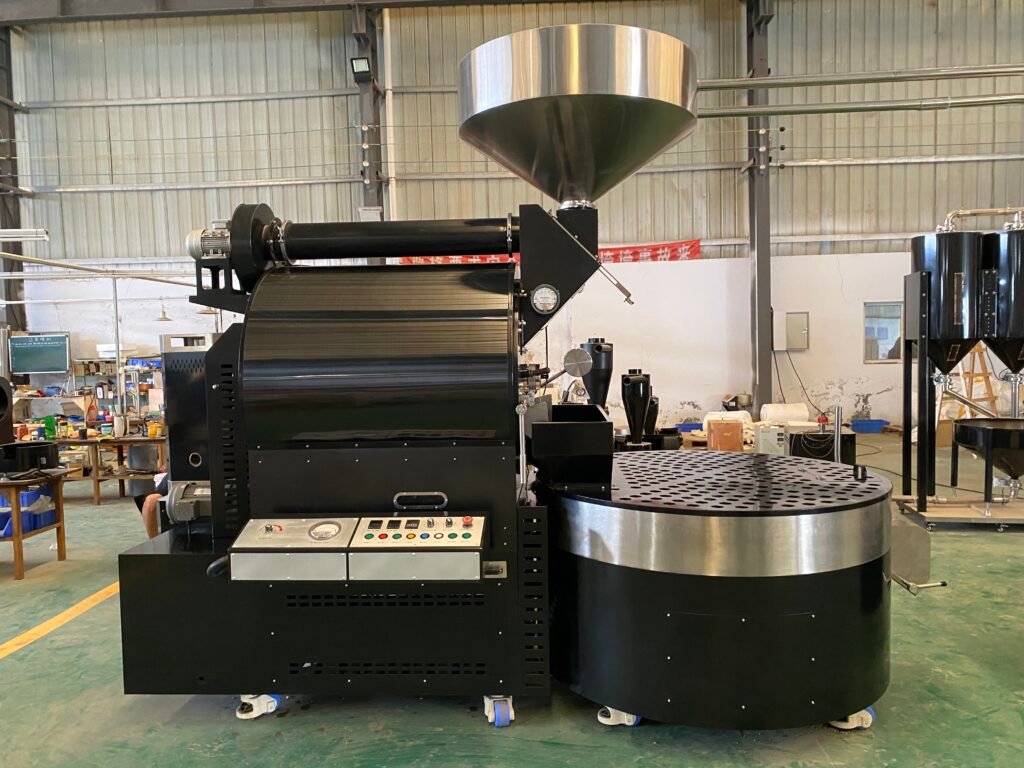
Mastering Coffee Roaster Ventilation Systems: A Technical Guide to Airflow Management
Effective ventilation in coffee roasting machines is critical for controlling temperature, removing chaff, and ensuring even bean development. This guide explores the components, functions, and optimization strategies for ventilation systems without relying on brand-specific tools or recommendations.
Core Components of a Roaster Ventilation System
The ventilation system consists of interconnected parts that regulate airflow throughout the roasting chamber. The primary elements include intake vents, exhaust ducts, dampers, and fans, each playing a distinct role in thermal and airflow dynamics.
Intake vents draw fresh air into the roaster, cooling the drum and diluting heat during high-temperature phases. Exhaust ducts expel hot air, chaff, and volatile compounds, preventing flavor contamination. Dampers act as adjustable gates, controlling airflow volume, while fans maintain consistent pressure to ensure steady movement.
Airflow Pathway:
Fresh air enters through intake vents, passes over heating elements (if applicable), and circulates around the beans. As beans release chaff and moisture, the ventilation system carries these byproducts out via exhaust ducts. Proper alignment of these components ensures minimal turbulence, which could cause uneven roasting.
Ventilation’s Impact on Roast Stages
Ventilation requirements shift dramatically across roast phases, demanding dynamic adjustments to achieve desired profiles. Understanding these shifts helps roasters manipulate flavor, body, and acidity.
Drying Phase (0–8 minutes):
During initial bean dehydration, low to moderate ventilation (30–50% damper opening) prevents excessive heat loss while removing surface moisture. High-density beans (e.g., Guatemalan Antigua) benefit from slightly reduced airflow (20–40%) to retain heat, whereas delicate origins (like Ethiopian Yirgacheffe) thrive with 40–60% opening to preserve floral notes.
Maillard Reaction (8–12 minutes):
As beans transition into caramelization, increase ventilation to 60–70% to carry away bitter compounds and enhance sweetness. This phase demands precise damper control: closing the damper by 10–20% can deepen body for nutty profiles, while opening it further brightens acidity in fruity roasts. Use a trier to sample beans; glossy surfaces indicate proper moisture evaporation, while dull finishes suggest insufficient airflow.
Development Phase (Post-First Crack):
Ventilation becomes pivotal in defining roast level. For light roasts, reduce airflow to 20–30% after first crack to slow development, preserving acidity. Medium roasts require 40–50% opening to balance sweetness and body, while dark roasts need 60–70% to prevent ashy flavors by carrying away smoke. Monitor bean surface oils: excessive shine signals over-roasting, often caused by stagnant air.
Maintaining Optimal Ventilation Performance
Regular maintenance ensures ventilation systems operate efficiently, preventing blockages and heat retention issues that compromise roast quality.
Cleaning Chaff Buildup:
Chaff accumulates near exhaust ducts and dampers, restricting airflow and causing temperature spikes. After each roast, use a soft brush or vacuum to clear debris from vents and ducts. For machines without automated chaff collectors, position a fan near the exhaust during roasting to improve circulation.
Inspecting Damper Mechanisms:
Dampers can stick or misalign due to heat exposure, leading to erratic airflow. Test damper movement weekly by adjusting it from fully closed to fully open. Lubricate hinges with food-grade silicone spray if resistance occurs. If digital dampers show inconsistent readings, recalibrate sensors using manufacturer guidelines.
Checking Fan Functionality:
Fans maintain airflow pressure, and their performance directly affects roast consistency. Listen for unusual noises or vibrations, which may indicate worn bearings or unbalanced blades. Clean fan grills monthly to remove dust, and verify voltage stability if using variable-speed models. Replace fans showing signs of wear to avoid sudden failures mid-roast.
Advanced Ventilation Techniques for Flavor Precision
Experienced roasters use nuanced ventilation strategies to manipulate flavor layers and address specific challenges.
Pulsed Ventilation:
Alternating between high and low airflow (e.g., 70% open for 15 seconds, then 40% for 30 seconds) during the Maillard phase creates micro-variations in caramelization. This technique works best with small batches (100–200g) where heat retention is easier to manage, yielding complex flavor profiles with distinct sweetness and acidity.
Environmental Adaptation:
Ambient temperature and humidity significantly impact ventilation needs. In cold climates, increase initial airflow by 10–20% to counteract heat loss, then reduce it as the roast progresses. High-humidity environments require 5–10% more airflow to prevent moisture retention, which can extend the drying phase. Use a hygrometer to track conditions and adjust accordingly.
Hybrid Ventilation Profiling:
Combine ventilation adjustments with temperature profiling for greater control. For example, start with 40% airflow, increase to 70% during first crack, then drop to 30% post-crack. Log airflow data alongside temperature and RoR (rate of rise) using software to identify patterns that enhance specific origins. This method demands practice but allows for highly reproducible roasts.
By understanding ventilation components, adjusting airflow across roast stages, maintaining equipment, and experimenting with advanced techniques, roasters can elevate consistency and flavor precision. Start with incremental changes, prioritize sensory feedback, and adapt to environmental factors to unlock the full potential of your roasting machine’s ventilation system.