

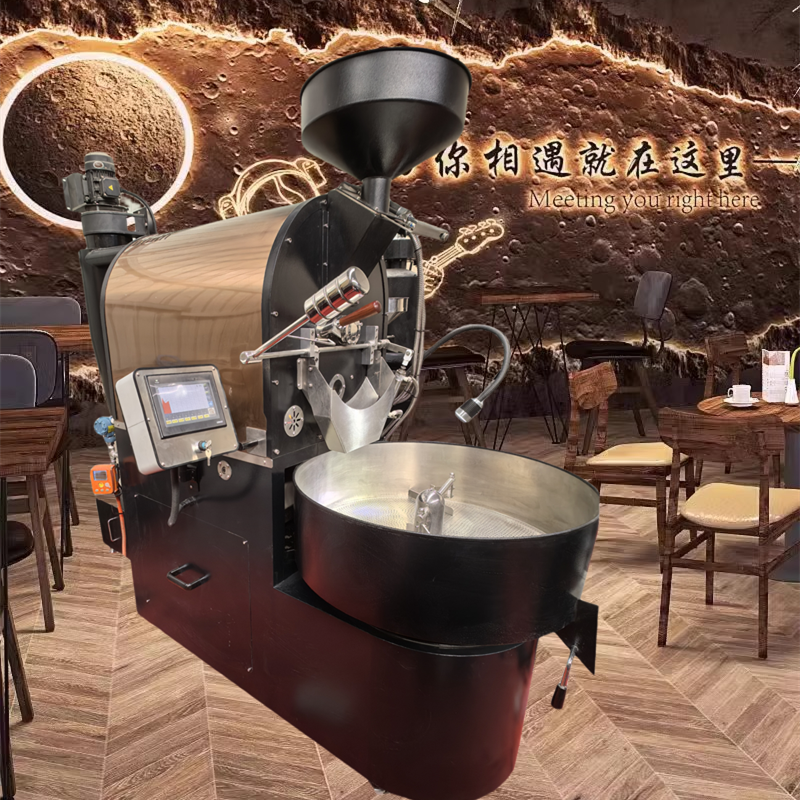
Integrating Coffee Roasting Machines into Kitchen Spaces: Practical Tips for Home and Small-Scale Use
Adapting Kitchen Layouts for Roasting Efficiency
Kitchens often prioritize cooking appliances, but incorporating a coffee roaster requires rethinking spatial dynamics. Start by identifying a dedicated zone away from high-traffic areas like stovetops or sinks. This minimizes interference during roasting sessions and reduces the risk of accidental bumps or spills. If space is limited, consider repurposing a corner or unused countertop section, ensuring it’s close to power outlets and ventilation sources.
Proximity to storage is another key factor. Place the roaster near containers for green beans to streamline the loading process. Similarly, keep cooling trays or colanders nearby for immediate post-roast handling. A well-organized layout prevents unnecessary movement, saving time and reducing the chance of dropping hot beans or equipment.
For kitchens with open floor plans, use visual dividers like shelving units or freestanding cabinets to create a semi-separated roasting area. This helps contain heat and noise while maintaining a cohesive design. If the roaster will be used frequently, invest in a rolling cart with locking wheels to move it aside when not in use, freeing up countertop space for other tasks.
Managing Heat, Smoke, and Odors in Enclosed Spaces
Coffee roasting generates heat, smoke, and aromatic oils that can linger in a kitchen. Proper ventilation is essential to maintain air quality and prevent damage to surfaces. If the kitchen has an exhaust hood above the stove, position the roaster nearby to leverage existing ventilation. For hoodless kitchens, install a window fan or portable air purifier with a charcoal filter to capture smoke and odors.
Heat management is equally important. Avoid placing the roaster near refrigerators or cabinets, as prolonged exposure to heat can warp materials or affect appliance performance. Use heat-resistant mats or trivets under the machine to protect countertops from scorching. During long roasting sessions, open windows or doors to promote cross-ventilation, especially in smaller kitchens.
To minimize odor buildup, roast in small batches and avoid overloading the machine. After roasting, wipe down surfaces with a vinegar-water solution to neutralize lingering oils. If the kitchen lacks natural airflow, consider scheduling roasting during cooler parts of the day when windows can remain open without compromising comfort.
Electrical Safety and Power Management
Coffee roasters demand consistent power to operate effectively, making electrical safety a top priority in kitchens. Start by verifying that the chosen outlet matches the machine’s voltage and amperage requirements. Overloading circuits can trip breakers or damage the roaster’s heating elements, so avoid sharing the outlet with high-power appliances like microwaves or toasters.
For kitchens with outdated wiring, consult an electrician to install a dedicated circuit for the roaster. This ensures stable power delivery and reduces the risk of electrical fires. Use grounded outlets and surge protectors to safeguard against voltage fluctuations, especially in areas prone to power outages.
Cable management is another often-overlooked aspect. Keep cords away from water sources, hot surfaces, and foot traffic to prevent tripping or electrocution. Use cable clips or adhesive channels to secure cords along walls or under cabinets, maintaining a tidy workspace. If the roaster is placed on a countertop, ensure the cord doesn’t dangle over the edge, where it could be pulled accidentally.
Noise Reduction Strategies for Shared Kitchens
Roasting machines can produce significant noise, which may disrupt conversations or daily activities in shared kitchens. To mitigate this, place the roaster on a rubber mat or anti-vibration pad to absorb vibrations and reduce noise transmission to countertops. Avoid hard surfaces like metal or glass, which amplify sound.
If the kitchen is adjacent to living areas, consider roasting during off-peak hours or using soundproofing techniques like hanging acoustic panels on walls. For open-concept spaces, position the roaster near soft furnishings like curtains or upholstered chairs, which help absorb sound waves.
Regular maintenance also plays a role in noise control. Lubricate moving parts like fans or motors according to the manufacturer’s guidelines to prevent squeaking or grinding sounds. If the roaster includes a chaff collector, empty it frequently to avoid rattling noises caused by loose debris.
Cleaning and Maintenance in a Kitchen Environment
Kitchens are prone to spills and grease, making regular cleaning vital for coffee roasters. After each use, wipe down the exterior with a damp cloth to remove chaff, oil, and dust. Use a soft brush to clean the bean chute and viewing window, ensuring no residue remains that could affect future roasts.
For deeper cleaning, detach removable parts like the drum or chaff tray and wash them with mild dish soap and warm water. Avoid abrasive cleaners or scouring pads, which can scratch surfaces and create hiding spots for bacteria. Allow all components to dry completely before reassembling to prevent moisture-related damage.
Pay special attention to the exhaust vent, as clogged vents can reduce airflow and cause overheating. Use a vacuum with a brush attachment to remove built-up chaff or dust. If the roaster is placed near cooking appliances, clean the surrounding area regularly to prevent grease from accumulating on the machine’s body.
Integrating Roasting into Daily Kitchen Routines
To make coffee roasting a seamless part of kitchen life, align it with existing habits. For example, roast beans while preparing meals to maximize time efficiency. Use the warmth from the roaster to dry herbs or spices afterward, turning residual heat into a secondary benefit.
Store green beans in airtight containers near the roaster to simplify the loading process. Label containers with roast dates or bean origins to keep track of inventory and experiment with different flavors. If the kitchen doubles as a workspace, designate a specific area for tasting and quality checks, complete with a scale, grinder, and brewing equipment.
By treating coffee roasting as an integral part of kitchen activities—rather than an isolated task—users can create a harmonious environment that supports both culinary creativity and coffee craftsmanship.