

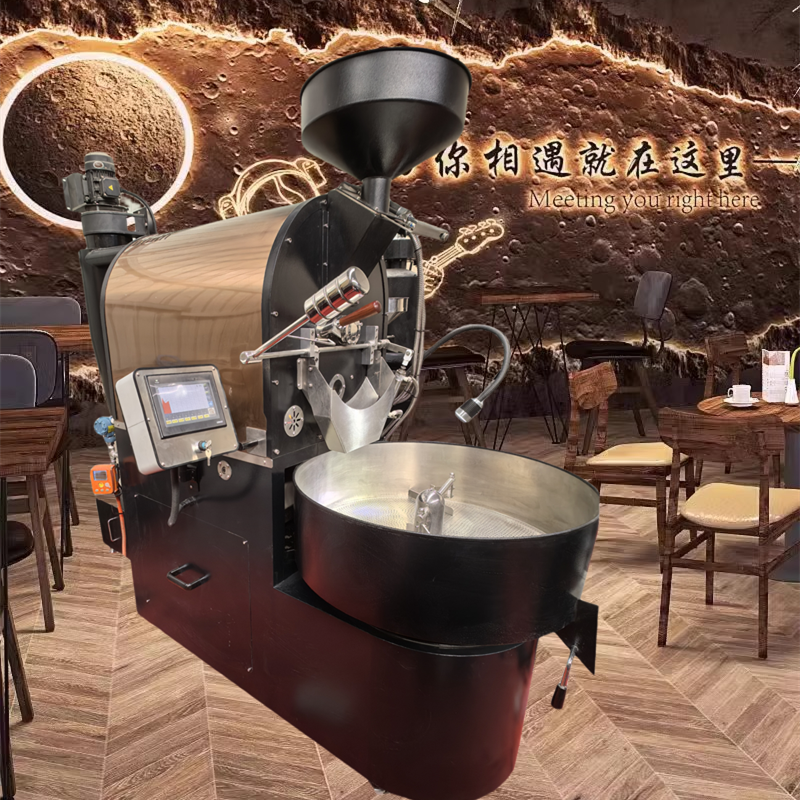
The Role and Importance of Temperature Sensors in Coffee Roasting Machines
Precision in Temperature Monitoring During the Roasting Process
Temperature sensors are the backbone of consistent coffee roasting, providing real-time data that guides every decision from start to finish. Unlike other cooking processes, coffee roasting relies on precise temperature control to unlock specific flavor compounds and aromas. A high-quality sensor ensures that the beans are exposed to the right amount of heat at each stage, preventing under-roasting (which leaves beans sour and grassy) or over-roasting (which results in burnt, bitter flavors). For example, during the drying phase, sensors help maintain a steady temperature to gently remove moisture without scorching the beans, while during the Maillard reaction, they track subtle increases to encourage caramelization and complexity.
The placement of sensors also matters. Many machines use multiple sensors strategically positioned within the drum, near the heating element, and in the exhaust system. This multi-point monitoring allows roasters to detect temperature gradients—areas where heat may be unevenly distributed—and adjust airflow or heat output accordingly. Without accurate sensors, even the most skilled roaster would struggle to achieve uniformity across batches, especially when working with large quantities or varying bean types.
Types of Temperature Sensors Used in Coffee Roasting
Coffee roasting machines typically employ two main types of temperature sensors: thermocouples and resistance temperature detectors (RTDs). Thermocouples are popular for their fast response times and durability, making them ideal for tracking rapid temperature changes during critical roasting stages like the first and second cracks. They consist of two metal wires joined at a junction, which generates a voltage proportional to the heat level. This voltage is then translated into a temperature reading, providing instant feedback to the roaster.
RTDs, on the other hand, offer exceptional accuracy and stability over time. They work by measuring the resistance of a metal (usually platinum) as it changes with temperature. While slightly slower to respond than thermocouples, RTDs are less prone to drift, ensuring long-term reliability. Some advanced roasting machines combine both sensor types, using thermocouples for dynamic adjustments and RTDs for precise calibration. This hybrid approach maximizes the strengths of each sensor, resulting in more consistent and repeatable roasts.
Impact of Sensor Accuracy on Flavor Development
The accuracy of a temperature sensor directly influences the flavor profile of the final coffee. Even a small deviation—say, 5°F (3°C)—can alter the balance of acids, sugars, and aromatic compounds in the beans. For instance, a slightly higher temperature during the development phase might accelerate the breakdown of chlorogenic acids, reducing bitterness but potentially overemphasizing burnt notes. Conversely, a lower temperature could preserve acidity but fail to fully develop sweetness, leaving the coffee tasting flat.
Sensor accuracy also affects reproducibility. Roasters who rely on manual adjustments or memory-based profiles need reliable data to replicate successful batches. A faulty or imprecise sensor could lead to inconsistent results, forcing the roaster to waste time and beans recalibrating. In specialty coffee, where consistency is key to building a brand, sensor reliability is non-negotiable. By investing in high-quality sensors, roasters ensure that every cup meets their exacting standards, whether it’s a bright, fruity pour-over or a rich, chocolatey espresso.
Maintenance and Calibration for Long-Term Sensor Performance
To maintain optimal functionality, temperature sensors in coffee roasting machines require regular maintenance and calibration. Over time, sensors can accumulate residue from bean chaff or oils, which may insulate them and skew readings. Cleaning the sensors and their surrounding components—such as the drum or exhaust vents—helps prevent this buildup. Some machines feature self-cleaning cycles or removable sensor probes for easier upkeep.
Calibration is equally critical. Even the most durable sensors can drift slightly over months or years of use, leading to inaccurate readings. Roasters should calibrate their sensors periodically using a trusted reference thermometer or a professional calibration service. This process involves comparing the sensor’s output to a known temperature and adjusting it to match. By staying proactive about maintenance and calibration, roasters can extend the lifespan of their sensors and avoid costly downtime or ruined batches.
Integration with Roasting Software and Automation Systems
Modern coffee roasting machines often integrate temperature sensors with advanced software and automation tools, creating a seamless workflow for roasters. These systems use sensor data to automate key processes, such as adjusting heat or airflow during specific roast stages, or triggering alerts when temperatures approach critical thresholds. For example, a roaster might set a software profile to lower the heat automatically once the beans reach the first crack, ensuring a smooth transition into the development phase.
This integration also enables detailed data logging, allowing roasters to analyze past batches and identify patterns or areas for improvement. By reviewing temperature curves—graphs showing how heat changed over time—roasters can refine their techniques, experiment with new profiles, or troubleshoot issues like uneven roasting. For small businesses or home enthusiasts, software-assisted roasting democratizes access to professional-grade precision, making it easier to achieve café-quality results without extensive experience.