

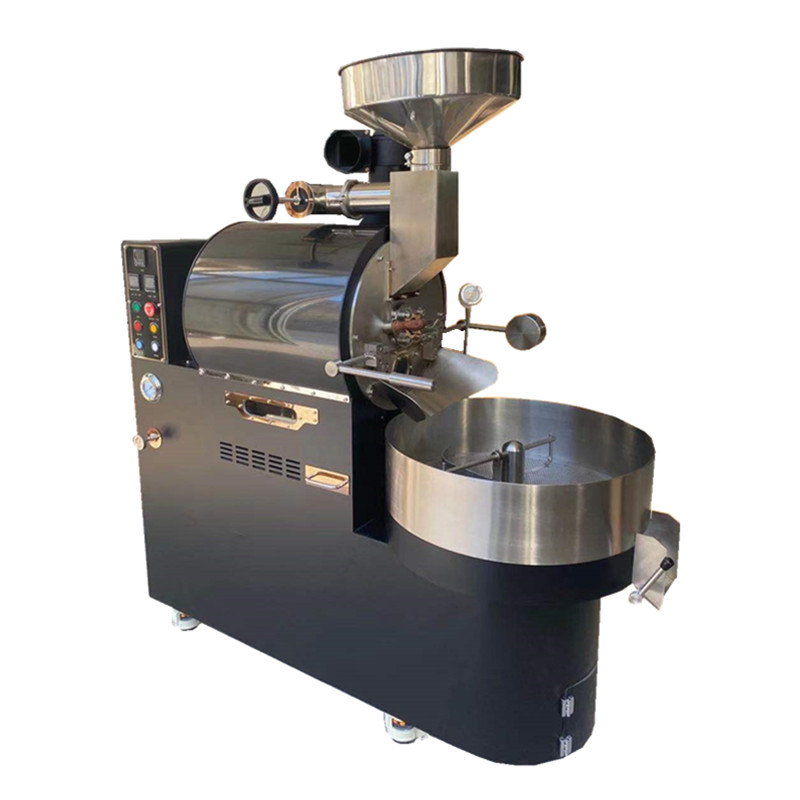
Electrical Socket Requirements for Coffee Roasters
Understanding Power Demands and Socket Types
Coffee roasters, especially commercial or high-capacity models, require dedicated electrical sockets to handle their power demands safely. Most roasters operate on 16A or 20A circuits, depending on their wattage. For example, a roaster consuming 3,500W on a 220–240V system needs a 16A socket, while a 5,000W+ model may require 20A or higher. Residential setups often use 10A sockets, which are insufficient for roasters and risk tripping breakers or damaging equipment.
In regions like Europe, roasters typically use Schuko plugs (CEE 7/4) or CEE 7/7 plugs, which support 16A currents and feature grounding clips. North American roasters may rely on NEMA 6-15P (15A, 250V) or NEMA L6-20P (20A, 250V) plugs, the latter being twist-lock types for added stability. Always match the plug type to the socket’s rating to avoid electrical hazards.
Grounding and Safety Considerations
Proper grounding is critical for coffee roasters to prevent electrical shocks and equipment damage. Most roasters use three-prong plugs (e.g., Schuko or NEMA L6-20P) to ensure a dedicated grounding path. Grounding redirects stray currents into the earth, protecting users and the machine’s electronic components.
When installing a roaster, verify the socket includes grounding and consider adding a residual-current device (RCD) or circuit breaker for extra safety. These devices cut power instantly if a fault is detected, reducing fire risks. Avoid using extension cords or adapters that compromise grounding, as they may violate electrical codes and void warranties.
Voltage and Circuit Capacity Planning
Coffee roasters require stable voltage and adequate circuit capacity to operate efficiently. A roaster drawing 20A must connect to a 20A-rated circuit with wiring thick enough to handle the load. For example, 2.5mm² copper wire supports up to 20A, while 1.5mm² wire is limited to 10A. Using undersized wiring risks overheating, melting insulation, or starting fires.
Older buildings with outdated wiring may need upgrades to support roasters. Consult an electrician to assess the existing infrastructure and install a dedicated circuit if necessary. For multi-roaster setups, consider a 4–6mm²专线 (dedicated line) to distribute power evenly and prevent overloads.
Regional Variations in Socket Standards
Socket types vary by region due to differences in electrical infrastructure. In the UK, roasters often use BS 1363 plugs (13A, 230V) with fused three-pin designs for safety. Japan’s 100V system may require NEMA 1-15P plugs (15A, 100V) for smaller roasters, though commercial models might need higher-rated alternatives.
When importing or traveling with a roaster, check compatibility with local sockets. Adapters are available, but they must support the roaster’s amperage and voltage. For example, using a 10A adapter for a 16A roaster is unsafe and may damage the machine. In some cases, hiring an electrician to install a compatible socket is the safest solution.
Future-Proofing Your Electrical Setup
As roasting needs evolve, so should your electrical infrastructure. If planning to upgrade to a higher-wattage roaster, install a socket rated for its requirements from the outset. For example, a 20A socket is more versatile than a 15A one, accommodating both current and future machines.
Consider the roaster’s placement when choosing sockets. Avoid locations near water sources or flammable materials, and ensure adequate ventilation to prevent heat buildup. If using extension cords, opt for heavy-duty models rated for the roaster’s amperage to avoid voltage drops or overheating. Regularly inspect cords and sockets for signs of wear, such as cracks or discoloration, and replace them immediately if damaged.