
Understanding the Lifespan of Coffee Roasting Machines
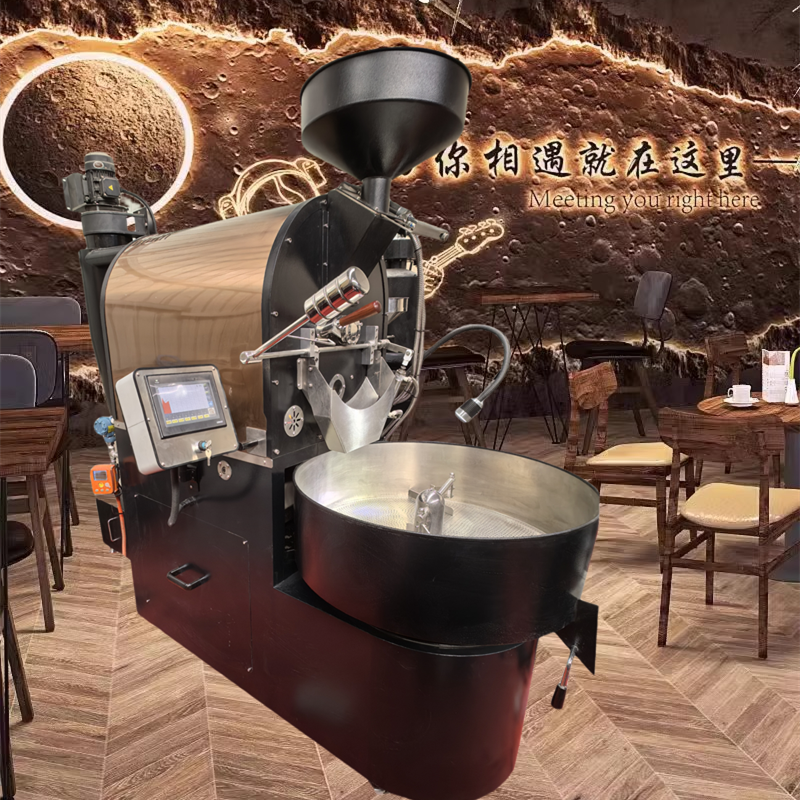
The durability of coffee roasting machines hinges on maintenance practices, material quality, and usage patterns. While commercial-grade models designed for high-volume production may last 15–20 years with rigorous upkeep, consumer-grade machines typically operate reliably for 8–12 years under optimal conditions.
Factors Influencing Roasting Machine Longevity
The lifespan of a roasting machine is shaped by both internal components and external operating environments.
- Material Quality: Machines built with stainless steel or cast-iron components resist wear better than those using thinner alloys. Drum material, heat exchangers, and electrical wiring all contribute to durability.
- Usage Intensity: Commercial roasters processing 50+ kg of beans daily experience faster component degradation than hobbyist machines handling 1–2 kg weekly. Continuous operation without cooling periods accelerates mechanical stress.
- Environmental Conditions: Humid climates or areas with hard water increase the risk of rust and scale buildup. Dusty environments may clog ventilation systems, reducing motor efficiency.
For example, a roaster in a coastal region with salty air might require more frequent stainless steel polishing compared to one in a dry, inland location.
Maintenance Practices to Extend Machine Life
Proactive care significantly reduces premature failure risks.
- Daily Cleaning: Post-roast, use a soft brush to remove chaff from the drum and cooling tray. Wipe down control panels with a damp cloth to prevent grease buildup.
- Weekly Checks: Inspect belt tension on drum-driven models and lubricate moving parts with food-grade grease. Verify airflow through exhaust vents isn’t obstructed by debris.
- Monthly Deep Cleaning: Disassemble and soak removable parts like chaff collectors in warm, soapy water. Use a descaling solution to clear mineral deposits from water pipes and heating elements.
A roastery in Oregon reported doubling their machine’s lifespan from 10 to 20 years by implementing a strict weekly maintenance checklist.
Common Wear Points and Replacement Cycles
Certain components require periodic replacement regardless of maintenance diligence.
- Thermal Elements: Heating coils and thermocouples often degrade after 5–8 years, leading to inconsistent roast temperatures.
- Bearings and Seals: Drum bearings may need replacement every 3–5 years if exposed to moisture, while door seals typically last 5–7 years before cracking.
- Control Systems: Analog dials and basic digital interfaces might become unreliable after a decade, whereas modern PLC controllers often remain functional for 15+ years.
Data from roasting equipment manufacturers shows that 60% of service calls involve replacing worn thermal sensors or bearings, highlighting these as critical maintenance areas.
Usage Patterns and Their Impact on Durability
How a machine is operated daily directly affects its operational lifespan.
- Roast Profiles: Repeatedly pushing machines to their maximum temperature limits (e.g., 240°C+) strains heating elements. Consistently roasting at moderate temperatures (200–220°C) reduces thermal fatigue.
- Batch Frequency: Short, frequent roasts (e.g., 10 batches/day) create more start-stop cycles than longer, continuous sessions, increasing motor and relay wear.
- Downtime Management: Allowing machines to cool completely between batches prevents overheating. Roasters that skip cooling periods report 30% higher failure rates in cooling fans and motors.
A case study in Italy found that roasters adhering to a “cool-down protocol” extended their machine’s usable life by 40% compared to those operating nonstop.