

Identifying Second Crack in Coffee Roasting: Key Characteristics and Practical Insights
Coffee roasting is a transformative process where raw green beans undergo physical and chemical changes to develop distinct flavors, aromas, and textures. Among the critical milestones in this journey, second crack marks the transition into deeper roast profiles, influencing the final cup’s bitterness, body, and complexity. Unlike the explosive first crack, second crack requires keen observation and auditory sensitivity to detect. Below, we explore its defining features, environmental factors, and practical tips for accurate identification.
Auditory Signatures of Second Crack
Second crack produces a distinct sound compared to first crack, though it can be subtle and easily missed. The noise resembles crisp rice cereal dissolving in milk—a series of sharp, high-pitched pops occurring at intervals of 1–3 seconds. These pops are less rhythmic and more sporadic than first crack’s steady crackling, often starting as faint snaps before intensifying into a rapid, metallic clatter.
To enhance detection, minimize ambient noise in your roasting environment. Close windows, turn off fans, and avoid conversations during the roast. Some roasters use stethoscopes or earpieces with tubes attached to the roasting drum’s sampling port to amplify the sound. For example, placing a microphone near the drum’s chaff vent and listening through headphones can isolate second crack’s unique frequency range, which is higher and sharper than first crack’s lower, bassier tones.
Visual and Physical Indicators During Second Crack
While second crack is primarily auditory, visual and tactile cues provide corroborating evidence. As the roast progresses:
- Bean Expansion and Surface Changes:
After first crack, beans continue to grow, reaching 1.5–2 times their original size by second crack. Their surfaces become smoother as oils migrate outward, creating a glossy sheen. During second crack, this oiliness intensifies, and beans may appear dark brown to nearly black, depending on roast degree. Some beans might develop small cracks or fissures, indicating internal structural breakdown. - Chaff and Smoke Production:
Second crack coincides with increased chaff expulsion and smoke generation. The chaff, a thin silverskin layer, detaches more vigorously, often forming small clouds around the roasting drum. Smoke becomes thicker and may carry a burnt caramel or toasted nut aroma, signaling the onset of pyrolysis—the thermal decomposition of organic compounds. - Temperature and Rate of Rise (RoR):
Second crack typically begins at 220–235°C (428–455°F), depending on bean density and moisture content. Monitoring the drum’s temperature and RoR is crucial; a sudden spike in RoR after first crack may indicate second crack’s approach. Use a reliable thermocouple or infrared thermometer to track these metrics, adjusting heat and airflow to control the roast’s momentum.
Environmental and Bean-Specific Factors Influencing Second Crack
Second crack’s onset and intensity vary based on several factors, requiring roasters to adapt their techniques:
Bean Density and Moisture Content
High-density beans (e.g., those grown at high altitudes) require more heat to reach second crack, as their cellular structure resists expansion. Conversely, low-density beans (e.g., from lower altitudes) may enter second crack earlier, sometimes within 10–12 minutes of roasting. Moisture content also plays a role; beans with higher initial moisture (e.g., natural-processed coffees) delay second crack as heat energy is first used to evaporate excess water.
Roasting Machine Design
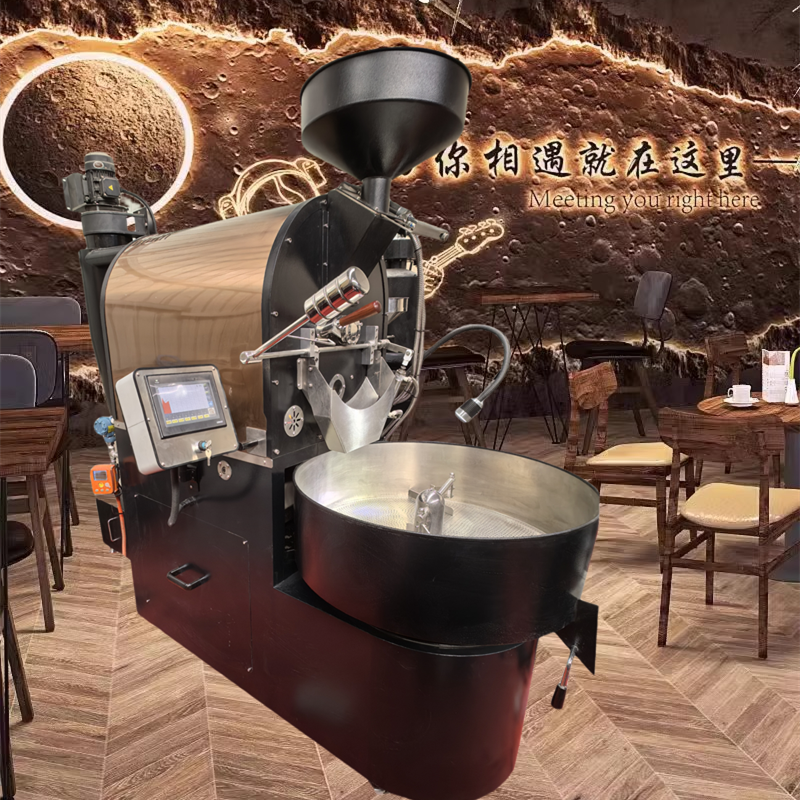
Drum roasters, which rely on conductive heat transfer, may produce a more muted second crack compared to fluid-bed roasters, which use convective heat. The drum’s material (e.g., cast iron vs. stainless steel) and insulation thickness also affect sound transmission. Thicker insulation can dampen second crack’s noise, necessitating greater reliance on visual and temperature cues.
Batch Size and Airflow
Larger batches retain heat more effectively, potentially accelerating second crack’s onset. Smaller batches, however, may require higher heat input to maintain consistent temperature progression. Airflow adjustments are equally critical; excessive airflow can cool the beans prematurely, delaying second crack, while insufficient airflow may cause uneven roasting or scorching.
Practical Tips for Consistent Second Crack Identification
- Use Multiple Senses:
Combine auditory, visual, and olfactory cues to confirm second crack. For example, if you hear faint pops but notice no oil on the beans, second crack may not have fully begun. Conversely, glossy beans without audible pops suggest you’ve passed second crack and are entering carbonization territory. - Sample Frequently:
Use a sampling spoon to extract beans every 30–60 seconds during the late stages of roasting. Examine the samples under bright light to check for oiliness and cracks. Smell the beans—second crack often emits a toasty, slightly bitter aroma, distinct from first crack’s sweet, caramelized scent. - Document and Adjust:
Keep detailed roast logs noting the time, temperature, and sensory cues at second crack’s onset. Over time, patterns will emerge, helping you predict second crack for specific bean varieties. If second crack is consistently delayed or premature, adjust pre-roast parameters like green bean storage conditions (e.g., humidity) or pre-heating protocols.
By mastering second crack identification, roasters gain greater control over flavor development, enabling them to craft coffees with balanced acidity, rich body, and nuanced bitterness. Whether aiming for a medium-dark roast with pronounced chocolate notes or a deep, smoky French roast, understanding second crack’s characteristics is essential for achieving consistency and excellence.