

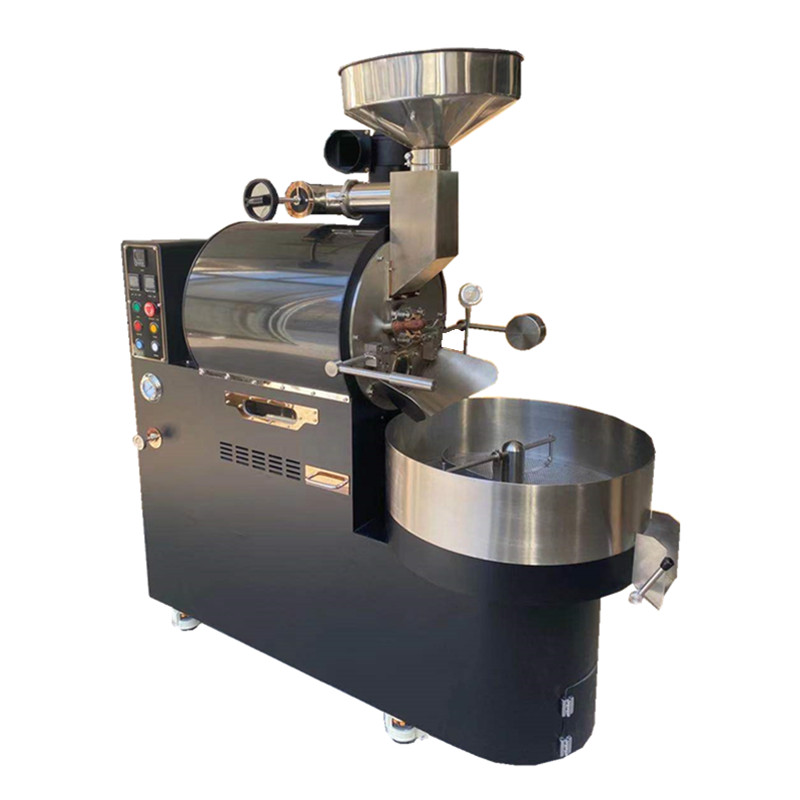
High-Speed Coffee Roasting: Techniques for Efficient Flavor Development
Quick roasting is a method that prioritizes speed without sacrificing flavor quality, ideal for busy roasters or those experimenting with bold profiles. By leveraging higher temperatures and shorter development times, this approach brings out vibrant acidity, pronounced sweetness, and distinct aromatics in coffee beans. Below, explore how to optimize your machine for rapid roasting, control critical variables, and overcome common obstacles.
The Fundamentals of Rapid Roasting Mechanics
Fast roasting relies on intense heat to accelerate chemical reactions within the beans, reducing total roast time by 30–50% compared to traditional methods. This technique works best for beans with inherent brightness or fruity notes, as the quick process preserves delicate acids that might degrade at lower temperatures. For example, a Kenyan AA bean roasted quickly will retain its sharp blackcurrant flavor, while a Brazilian bean might develop a roasted nut intensity without bitterness.
Heat Transfer Dynamics in Quick Roasting
In high-speed roasting, heat penetrates beans rapidly, shortening the drying phase (where moisture evaporates) and intensifying the Maillard reaction (where sugars and amino acids caramelize). Key benefits include:
- Reduced stalling risk: Faster heat application minimizes the chance of the roast plateauing mid-process.
- Enhanced aroma volatility: Fragrant compounds evaporate quickly, so timing is critical to capture them.
- Brighter acidity retention: Organic acids break down slower, maintaining a lively, tangy finish.
Selecting Beans for Speed-Focused Roasting
Not all beans adapt well to rapid roasting. Prioritize varieties with:
- High acidity potential: Beans from Ethiopia, Kenya, or Costa Rica often shine when roasted quickly, as their citrus or berry notes become more pronounced.
- Medium density: Avoid overly dense beans (e.g., high-altitude Guatemalan or Colombian), which may resist rapid heat penetration. Instead, opt for moderately dense beans that respond evenly to high temperatures.
- Recent harvest date: Fresher beans contain more moisture, which helps buffer against scorching during fast roasting.
Optimizing Your Machine for High-Speed Roasting
Most standard roasting machines can be adjusted for quicker results by modifying preheat settings, airflow, and drum speed. The goal is to create a controlled environment where heat distributes uniformly despite the accelerated pace.
Preheat Temperature and Initial Setup
Start with a higher preheat temperature (around 200–210°C) to ensure immediate heat absorption. If your machine lacks precise controls, use an infrared thermometer to verify the drum’s internal temperature before loading beans. A hotter preheat compensates for the shorter roast time, helping beans transition through phases faster.
Managing Airflow and Drum Speed
- Airflow: Increase airflow slightly compared to slower roasts to prevent heat buildup, which can cause scorching. However, avoid excessive airflow, as it may strip away aromatic oils. Aim for a brisk but balanced flow that keeps beans moving without drying them too aggressively.
- Drum speed: Use a faster drum rotation to ensure beans tumble continuously, promoting even heat exposure. A quicker speed also prevents clumping, which is more likely in rapid roasts due to intense heat.
Monitoring Critical Milestones: Drying Phase and First Crack
- Drying phase (100–160°C): This stage will be shorter—often 2–3 minutes versus 5–7 minutes in slower roasts. Watch for beans to turn from green to a pale yellow and listen for a faint cracking sound as moisture escapes.
- Maillard reaction and first crack (160–205°C): The Maillard phase will progress rapidly, lasting just 3–4 minutes. Beans will transition from yellow to brown quickly, so stay vigilant. The first crack may occur as early as 6–7 minutes into the roast, compared to 10–12 minutes in traditional methods.
Overcoming Common Challenges in Fast Roasting
Scorching or Tipping
If beans develop dark, burnt spots or their edges curl (tipping), your machine’s heat is too concentrated. To fix this:
- Lower preheat temperature slightly: Reduce it by 5–10°C and observe if beans roast more evenly.
- Adjust airflow: Increase airflow further to disperse heat, but do so gradually to avoid destabilizing the roast.
- Shorten the drying phase: If beans spend too long absorbing initial heat, they’re more likely to scorch later. Aim for a 2-minute drying phase maximum.
Underdeveloped or Flat Flavors
Quick roasts can sometimes lack depth if the Maillard reaction is rushed. To enhance complexity:
- Extend the Maillard phase by 30–60 seconds: Even in fast roasting, allowing sugars to caramelize fully adds body. For example, if beans typically reach first crack at 6 minutes, let them develop until 6:30–7 minutes.
- Introduce a “flavor pause”: Near the end of the Maillard phase, briefly reduce heat (by 10–15°C) for 20–30 seconds to stabilize flavor development before the first crack.
Inconsistent Roast Levels
If some beans are darker than others, your machine’s heat distribution is uneven. Solutions include:
- Stir beans manually: Pause the roast 4–5 minutes in and gently shake the drum or use a tool to redistribute beans.
- Check drum calibration: Ensure the drum rotates smoothly without wobbling, which can create hot spots.
- Reduce batch size: Overloading the machine exacerbates uneven heating, so roast 60–70% of your machine’s maximum capacity.
Experimenting With Roast Profiles for Different Origins
Fast roasting allows you to highlight distinct regional characteristics when tailored correctly. For example:
- Ethiopian Sidamo: Roast at 205°C preheat, aiming for a 7-minute total time to emphasize floral and bergamot notes.
- Costa Rican Tarrazú: Use a 200°C preheat and a 6:30–7-minute roast to amplify apple and caramel sweetness.
- Brazilian Santos: Opt for a 195°C preheat and a 7:30–8-minute roast to develop chocolate and hazelnut tones without bitterness.
Document each roast’s parameters (temperature, time, airflow) and cupping notes to refine your approach. Small adjustments (e.g., 5°C temperature changes or 15-second time tweaks) can dramatically alter flavor outcomes.
By mastering high-speed roasting, you can produce vibrant, complex coffees in less time while maintaining control over flavor precision. Start with small batches, stay attentive to your machine’s behavior, and let your palate guide you toward profiles that balance efficiency with quality.