

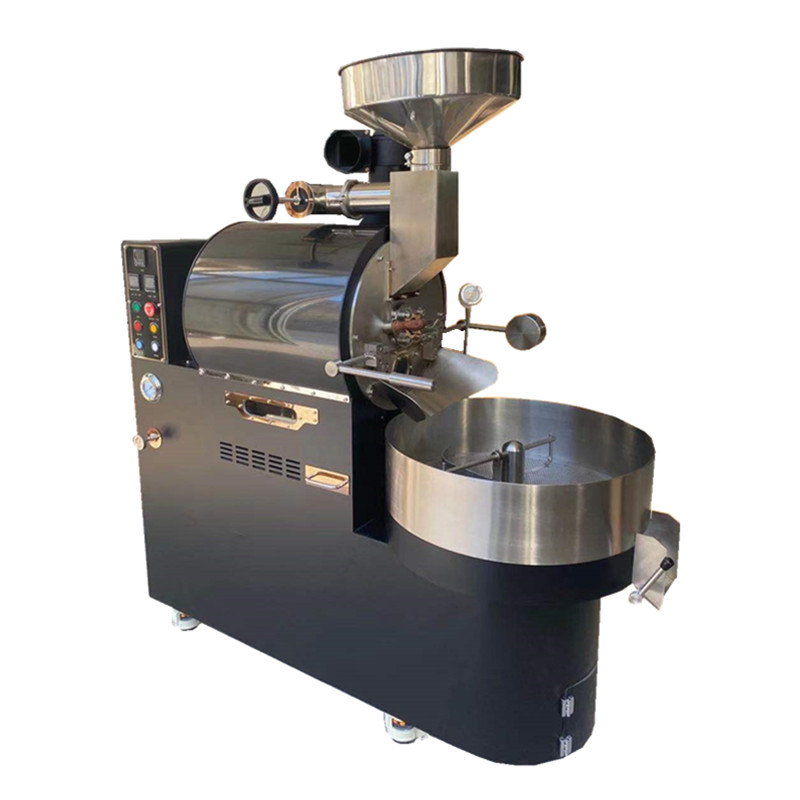
Understanding Radiation in Coffee Roasting Machines: Types, Effects, and Safety Measures
Coffee roasting is a complex process that relies on precise heat management to transform green beans into aromatic, flavorful roasted coffee. Among the heat transfer mechanisms involved—conduction, convection, and radiation—the role of radiation often sparks curiosity and concern. This guide explores the types of radiation in coffee roasting, their impact on bean quality, and safety considerations for operators.
The Nature of Radiation in Coffee Roasting
Infrared Radiation from Drum Surfaces
During roasting, the drum walls absorb heat from the heat source (e.g., gas burners or electric coils) and re-emit it as infrared radiation. This form of electromagnetic energy penetrates the bean surface, transferring heat directly to the core. Unlike conduction, which requires physical contact, or convection, which relies on air movement, infrared radiation enables deeper heat penetration with minimal surface scorching.
Studies on roasting dynamics highlight that infrared radiation is particularly effective during the early stages of roasting, when beans are dense and require rapid internal heating. However, excessive reliance on radiation can lead to uneven roasting if the drum surface temperature is not carefully controlled. For instance, hot spots on the drum may cause localized overheating, resulting in inconsistent bean development.
Balancing Radiation with Conduction and Convection
Modern roasting machines are designed to integrate radiation with conduction and convection for optimal results. Conduction occurs when beans contact the hot drum surface, while convection involves heated air circulating around the beans. A well-engineered roaster adjusts the contribution of each mechanism to achieve uniform roasting.
For example, semi-hot-air roasters combine conduction from the drum with forced convection from high-speed airflow. This hybrid approach allows operators to fine-tune the balance between surface caramelization (conduction-driven) and internal moisture evaporation (convection-driven). Radiation, in this context, acts as a supplementary heat source that enhances thermal efficiency without dominating the process.
Potential Risks Associated with Radiation in Roasting
Thermal Stress on Beans and Equipment
While radiation is a valuable tool for heat transfer, improper management can cause thermal stress. Beans exposed to intense infrared radiation may develop surface cracks or internal fractures, compromising their structural integrity. This is especially critical during the final stages of roasting, when beans are brittle and prone to damage.
Equipment longevity is another concern. Prolonged exposure to high temperatures can degrade drum coatings or warp metal components, leading to costly repairs. Roasters must calibrate heat sources to ensure consistent drum temperatures while avoiding localized overheating.
Occupational Exposure to Non-Ionizing Radiation
Coffee roasting machines generate non-ionizing radiation, primarily in the infrared spectrum. Unlike ionizing radiation (e.g., X-rays), which poses significant health risks, non-ionizing radiation is generally considered safe at typical roasting temperatures. However, prolonged exposure to high-intensity infrared sources may cause skin irritation or eye strain in operators.
To mitigate these risks, roasting facilities should implement engineering controls such as insulated viewing windows and automated drum rotation systems. Personal protective equipment (PPE), including heat-resistant gloves and safety goggles, can further reduce direct exposure.
Best Practices for Safe and Effective Radiation Use
Calibrating Drum Temperature Profiles
Achieving consistent roast quality requires precise control over drum temperature. Operators should use infrared thermometers or built-in sensors to monitor surface temperatures and adjust heat input accordingly. For instance, lowering the flame during the drying phase reduces radiation intensity, preventing premature bean expansion.
Gradual temperature increases during the Maillard reaction and caramelization stages ensure even heat distribution. This approach minimizes the risk of thermal shock while allowing radiation to complement conduction and convection.
Optimizing Airflow and Drum Speed
Airflow management is critical for balancing radiation with convection. Increasing airflow during the early stages of roasting enhances moisture evaporation, reducing the risk of surface scorching from radiation. Conversely, lowering airflow during the development phase preserves heat inside the drum, promoting uniform internal roasting.
Drum speed also influences heat transfer. Faster rotation increases convection by exposing beans to hot air more frequently, while slower rotation enhances conduction by prolonging contact with the drum surface. Operators should experiment with drum speed settings to find the optimal balance for their specific bean varieties and roast profiles.
Maintaining Equipment and Workplace Safety
Regular maintenance is essential for preventing radiation-related issues. Cleaning the drum interior to remove coffee oil residues ensures even heat distribution and reduces the risk of hot spots. Inspecting insulation materials around heat sources prevents heat leakage, which could expose operators to unnecessary radiation.
Workplace safety protocols should address both thermal and chemical hazards. Proper ventilation systems remove volatile organic compounds (VOCs) released during roasting, while PPE protects against inhalation of particulate matter. Training programs on radiation safety and equipment operation empower employees to identify and mitigate risks proactively.
By understanding the role of radiation in coffee roasting and implementing best practices for its management, operators can achieve consistent, high-quality roasts while ensuring a safe working environment. Whether adjusting drum temperatures, optimizing airflow, or maintaining equipment, a holistic approach to heat transfer mechanics is key to mastering the art of coffee roasting.