

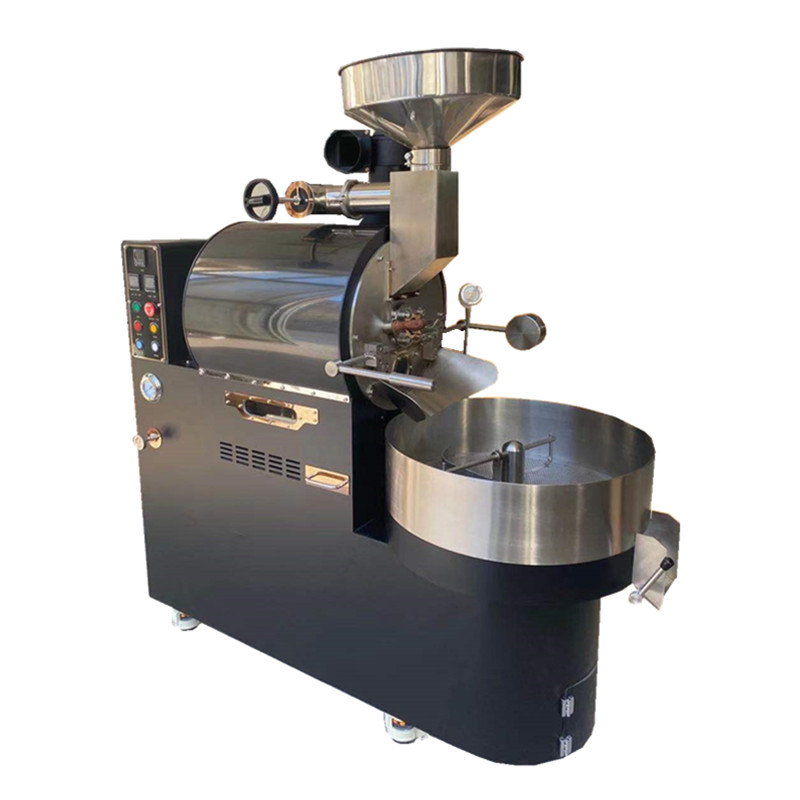
Precision in Heat Control and Distribution
Professional-grade coffee roasters prioritize precision in temperature management to ensure consistent results. Advanced models utilize PID controllers, which adjust heat in real-time to maintain stability within ±1°C. This level of accuracy is critical for replicating specific roast profiles, whether for light, fruity batches or dark, chocolatey ones. Additionally, heat distribution systems vary by design: some machines employ dual heating zones to apply direct and indirect heat simultaneously, while others use infrared technology for rapid, uniform heating. The ability to fine-tune airflow and drum speed further enhances control, allowing roasters to manipulate the rate of heat transfer and prevent scorching. These features collectively minimize human error and maximize repeatability, a necessity for commercial operations.
Durability and Material Quality for High-Volume Use
Built to withstand continuous use, professional roasters emphasize durability in their construction. Stainless steel and cast iron are common materials for drums and frames, offering resistance to corrosion and wear. Thicker drum walls retain heat more effectively, reducing energy consumption and ensuring even roasting. Reinforced components, such as heavy-duty bearings and sealed motors, prevent breakdowns during long sessions. Some models also incorporate modular designs, enabling easy replacement of parts like heating elements or exhaust systems. For industrial settings, roasters may include dust-proofing features and reinforced cooling trays to handle high output without compromising performance. These robust designs extend the machine’s lifespan, making them cost-effective investments for cafés or roasteries.
Advanced Monitoring and Data Integration
Modern professional roasters integrate real-time monitoring tools to track critical variables like bean temperature, airflow, and roast time. Touchscreen interfaces with customizable profiles allow operators to save and recall settings for different coffee origins or blends. Data logging capabilities record each batch’s parameters, enabling quality analysis and traceability. Cloud connectivity in some models permits remote adjustments and collaboration across teams. For example, a roaster in one location can share a profile with another facility, ensuring consistency across supply chains. These systems also support predictive maintenance, alerting users to potential issues before they disrupt production. By combining hardware resilience with software intelligence, professional roasters bridge the gap between artistry and industrial efficiency.