

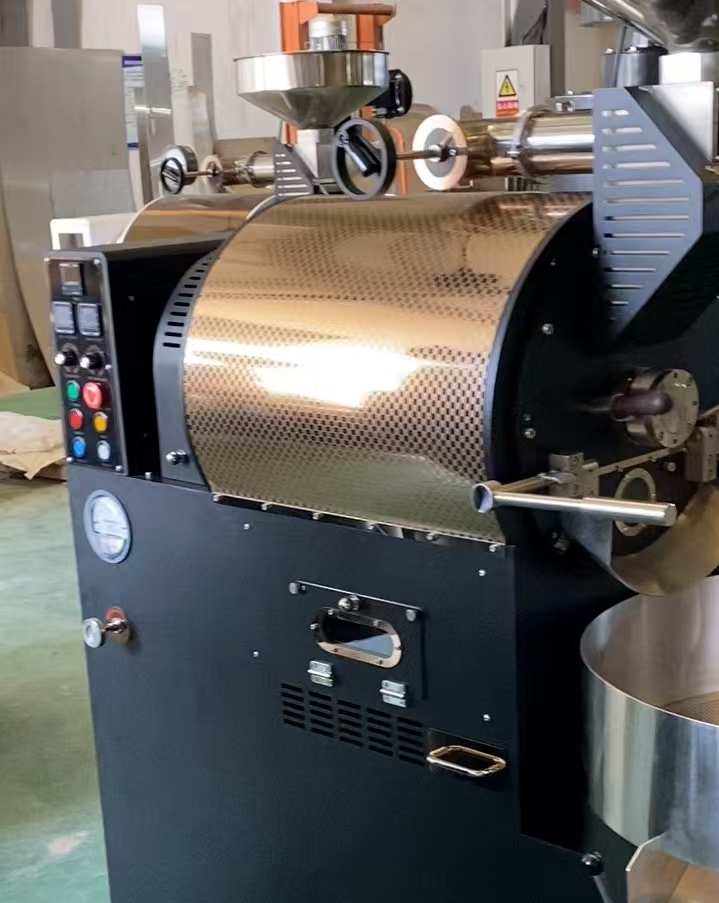
Essential Steps for Preheating a New Coffee Roasting Machine
Preheating your coffee roaster ensures consistent roast quality by stabilizing internal temperatures before the first batch. This process minimizes temperature fluctuations during roasting, which can affect flavor development and bean consistency. Below is a structured guide to help you master the preheating process.
Understanding the Importance of Preheating
Preheating is critical because it brings the roaster’s components—drum, heating elements, and airflow system—to an optimal thermal state. Without preheating, the initial temperature drop when beans are added can lead to uneven roasting, underdeveloped flavors, or extended roast times. For example, a roaster that hasn’t been preheated may require 20–30% more energy to reach target temperatures, increasing operational costs and inconsistency.
Step-by-Step Preheating Process
- Initial Setup:
- Power on the roaster and allow it to idle with the drum rotating. This ensures even heat distribution across all surfaces.
- If your machine has a “preheat mode,” activate it. Otherwise, set the heating system to a medium-high setting (e.g., 70–80% of maximum power).
- Monitoring Temperature:
- Use the built-in thermocouples or infrared sensors to track the drum and airflow temperatures. Aim for a preheat temperature 15–20°C higher than your target roast temperature to account for the initial drop when beans are added.
- For instance, if your target roast temperature is 195°C, preheat to 210–215°C.
- Stabilizing the System:
- Once the preheat temperature is reached, maintain it for 10–15 minutes. This allows the roaster’s thermal mass (drum, insulation, and heating elements) to absorb and retain heat.
- Adjust the airflow to a moderate setting (e.g., 50% open) to prevent overheating while ensuring proper ventilation.
Advanced Techniques for Optimal Preheating
- Wave Preheating Method:
Gradually reduce the heating power in stages (e.g., from 80% to 60% to 40%) while monitoring temperature stability. This mimics a “wave” pattern, allowing the roaster to settle into a thermal equilibrium before the final temperature adjustment. - Batch-to-Batch Preheating:
After completing a roast, reduce the temperature to 30°C above your next target and hold it for 5 minutes. This minimizes downtime between batches while maintaining thermal consistency. - Airflow Calibration:
Preheat with the airflow set to your typical roasting level. This ensures the heating system and airflow work in harmony, preventing temperature spikes or drops during roasting.
Common Mistakes to Avoid
- Insufficient Preheat Time: Rushing the process can lead to uneven heat distribution, causing “scorching” (dark spots on beans) or “baking” (flat, underdeveloped flavors).
- Overheating: Exceeding the recommended preheat temperature may damage sensitive components or create hotspots in the drum.
- Ignoring Airflow: Failing to adjust airflow during preheating can result in poor heat circulation, leading to inconsistent roast profiles.
Verifying Preheat Success
Before adding beans, perform a quick check:
- The temperature should remain stable within ±2°C of your target for at least 5 minutes.
- The drum and airflow system should feel uniformly warm to the touch (use caution).
- If using a data logger, review the temperature curve for steady-state behavior.
By following these steps, you’ll ensure your coffee roaster is primed for consistent, high-quality roasts from the very first batch.