
Understanding Power Specifications in Coffee Roasting Machines
Power Range and Roasting Capacity
The power output of coffee roasting machines varies significantly based on their intended use and batch size. Small-scale roasters designed for home or specialty cafes typically operate between 400W to 1,600W. These models handle batches ranging from 100g to 500g, making them ideal for experimenting with flavor profiles or serving small crowds. For example, a 400W machine may take longer to reach optimal temperatures but consumes less energy, while a 1,600W model heats faster, reducing roast time per batch.
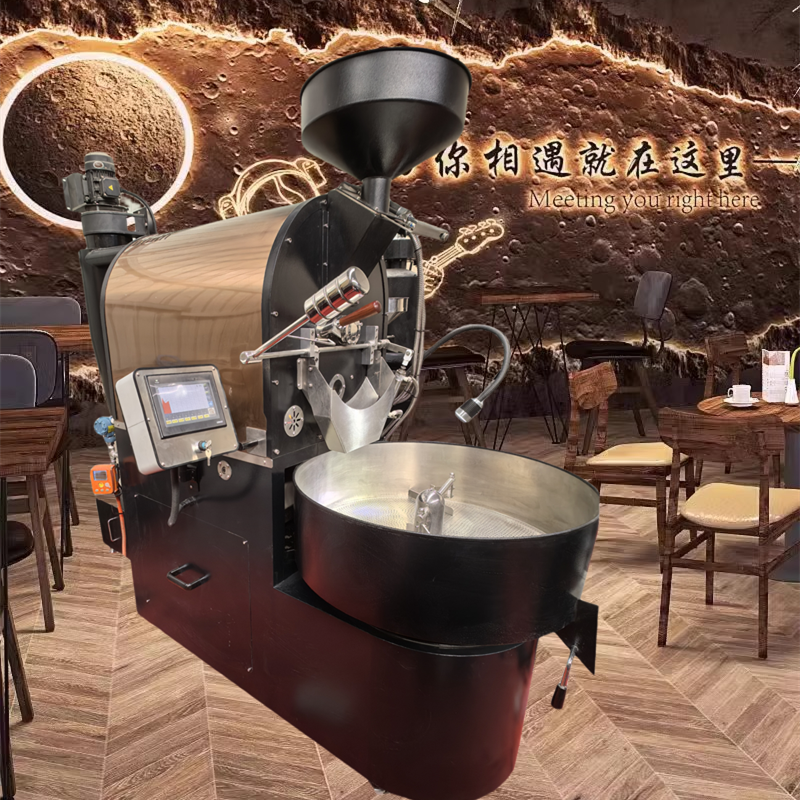
Commercial-grade roasters, on the other hand, demand higher power to manage larger batches efficiently. Machines processing 1kg to 3.5kg per batch often require 3,500W to 4,500W of power. This higher wattage ensures consistent heat distribution, even when roasting dense or high-moisture beans. A 3,500W roaster, for instance, can maintain stable temperatures during back-to-back batches, minimizing downtime in busy environments.
Power and Roasting Efficiency
Power directly influences how quickly a roaster reaches and maintains critical temperatures. Higher-wattage machines heat up faster, reducing preheating time and improving workflow efficiency. For example, a 1,600W roaster may take 5–8 minutes to preheat, while a 4,500W commercial model might reach the desired temperature in 2–3 minutes. This speed is crucial for businesses aiming to maximize output without compromising roast quality.
Energy efficiency is another consideration. While high-power machines consume more electricity, they often offset this by reducing roast time. For instance, a 3,500W roaster completing a 1kg batch in 15 minutes may use less total energy than a lower-powered model taking 25 minutes for the same batch. However, this depends on factors like insulation quality and heating method (e.g., convection vs. conduction).
Impact of Power on Heat Distribution
Uniform heat distribution is essential for even roasting. Machines with insufficient power may struggle to maintain consistent temperatures, leading to under-roasted or burnt beans. For example, a 400W roaster handling a 500g batch might experience uneven heating, as the power output isn’t enough to circulate heat effectively through the beans. In contrast, a 1,600W model with proper airflow design can achieve uniformity even in larger batches.
Commercial roasters address this challenge with advanced heating systems. Some models combine multiple heat sources—such as infrared, conduction, and convection—to ensure even roasting. A 4,500W machine might use infrared panels for rapid initial heating, followed by conduction from a heated drum and convection from forced air to fine-tune the roast. This multi-stage approach requires significant power but delivers unmatched consistency.
Power Requirements for Different Roasting Methods
The roasting method also dictates power needs. Drum roasters, which rely on conduction and convection, typically require moderate to high power. A 1–3.5kg drum roaster might need 3,500W to 4,500W to maintain the drum’s temperature while circulating hot air. Fluid-bed roasters, which use forced hot air to levitate beans, often operate at lower power levels—800W to 1,600W—for smaller batches (100g to 500g). However, their efficiency lies in rapid heat transfer, reducing overall roast time despite lower wattage.
Hybrid roasters, combining drum and fluid-bed technologies, may fall somewhere in between. These machines adjust power dynamically based on the roast stage, using higher wattage for drying and lower power for development phases. This flexibility allows them to handle diverse bean types and roast profiles while optimizing energy use.
Practical Considerations for Power Selection
Choosing the right power level depends on your roasting volume and goals. Home roasters prioritizing precision over speed might opt for a 400W to 800W machine, as these offer greater control for small batches. Cafes or small businesses roasting 1–2kg daily should consider 1,600W to 3,500W models, balancing efficiency and consistency. Larger operations processing 3.5kg+ batches will need 4,500W+ roasters to meet demand without compromising quality.
Electrical infrastructure is another critical factor. High-power roasters require dedicated circuits to avoid overloading. For example, a 4,500W machine running on a standard 15A household circuit (1,800W capacity) would trip the breaker. Upgrading to a 30A circuit (7,200W capacity) ensures safe operation. Consult an electrician to assess your facility’s capacity before investing in a high-wattage roaster.