

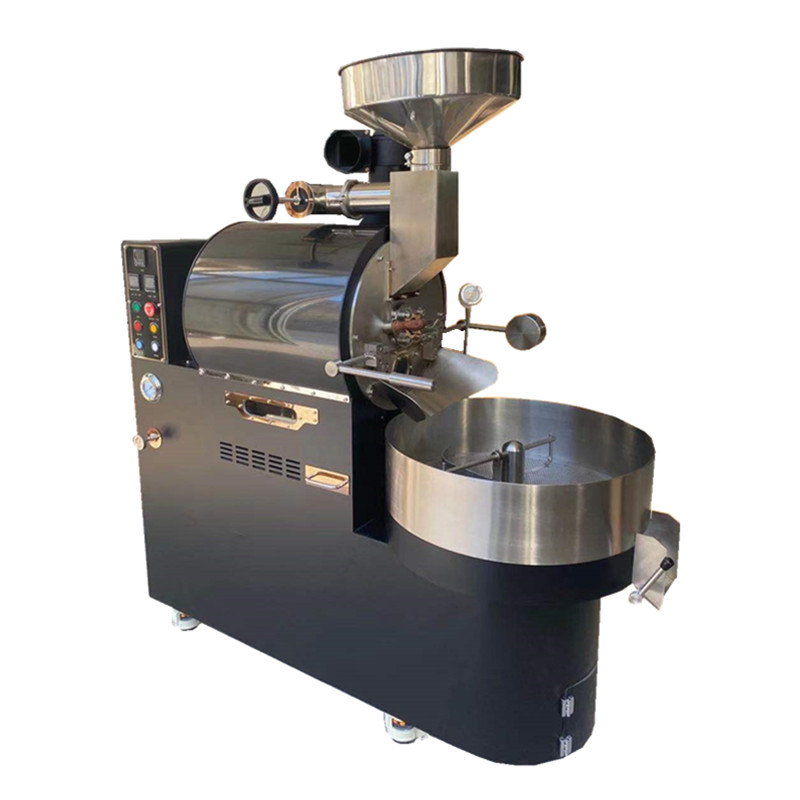
Enhancing Portability in Coffee Roasting Machines: Key Factors for On-the-Go Roasting
Design Elements That Improve Mobility
The foundation of a portable coffee roaster lies in its structural design. Lightweight materials like aluminum or reinforced plastics reduce overall weight without sacrificing durability. Look for machines with compact dimensions that fit easily into car trunks or storage spaces, especially for roasters used at farmers’ markets or pop-up events.
Handles and grips play a critical role in maneuverability. Ergonomically shaped handles positioned at the machine’s center of gravity make lifting and carrying easier, reducing strain on wrists and shoulders. Some models incorporate foldable handles or detachable components to minimize bulk during transport.
Wheel placement and type also affect portability. Swivel casters with locking mechanisms allow smooth movement across flat surfaces while preventing unintended rolling on slopes. For uneven terrain, larger rubber wheels absorb shocks better than hard plastic alternatives, ensuring stability during transit.
Power Source Flexibility for Diverse Locations
Adapting to different environments requires versatile power options. Electric roasters with dual-voltage capabilities (e.g., 110V–240V) cater to international travelers or roasters operating in regions with varying electrical standards. A detachable power cord simplifies storage and reduces tangling risks during transport.
Battery-powered roasters offer unmatched freedom, eliminating reliance on outlets entirely. These models are ideal for outdoor events or remote locations, though they may sacrifice some roasting capacity for portability. Hybrid systems that combine battery and electric power provide a balance, allowing users to switch between sources based on availability.
Gas-powered roasters introduce another layer of flexibility. Propane or butane tanks enable operation in areas without electricity, such as campsites or open-air markets. However, users must consider tank size and local regulations regarding fuel storage and transportation.
Storage Solutions for Efficient Transport
Organized storage prevents damage and streamlines setup. Roasters with built-in compartments for accessories like chaff collectors, thermometers, or cleaning brushes reduce the need for separate containers. Removable trays or baskets make it easier to pack components individually, distributing weight evenly in transit.
Protective cases or padded covers shield the machine from scratches, dust, and moisture during storage or transport. Some roasters include custom-fit cases with molded foam inserts, while others rely on universal appliance covers that adjust to different sizes.
For roasters used in vehicles, securing the machine with straps or non-slip mats prevents shifting during drives. If the roaster lacks built-in storage, use collapsible bins or fabric organizers to keep accessories contained and accessible.
Weight Distribution and Balance Considerations
Even lightweight roasters can feel cumbersome if weight isn’t distributed properly. Machines with a lower center of gravity are easier to tilt or lift without tipping. Avoid models with top-heavy designs, as they become unstable when moved or when accessing upper components like bean chutes.
During assembly, ensure all parts are tightly secured to prevent wobbling. Loose components like doors or vents can shift during transport, altering the machine’s balance. Regularly check screws and hinges for tightness, especially after frequent moves.
For roasters with removable parts, such as drum assemblies or cooling trays, reattach them securely before moving the machine. Store detached components separately to avoid disrupting the roaster’s equilibrium.
Quick Setup and Breakdown Features
Time-saving designs are essential for roasters on the move. Tool-free assembly systems, like snap-on legs or magnetic attachments, allow users to set up or dismantle the machine in minutes. Look for roasters with color-coded parts or clear labeling to guide assembly without referencing manuals.
Pre-installed components, such as permanently attached power cords or built-in thermometers, reduce setup steps. Some models feature retractable cords or integrated storage for cables and hoses, keeping the workspace tidy during operation.
For gas roasters, quick-connect fittings for fuel lines simplify tank changes and minimize leaks. Ensure all connections are compatible with standard propane tanks to avoid compatibility issues in different locations.
Adapting to Different Environments
Portable roasters must perform reliably in varied settings. In windy outdoor locations, choose models with sturdy bases or weighted stands to prevent tipping. Some roasters include adjustable legs or leveling feet to accommodate uneven surfaces like grass or gravel.
For humid climates, select machines with corrosion-resistant materials or coatings on metal parts. Sealed control panels protect against moisture damage, while drainage holes in the base prevent water accumulation during cleaning or rain exposure.
In cold environments, preheat the roaster longer to stabilize internal temperatures. Avoid rapid temperature changes, such as moving the machine from a heated vehicle to a freezing outdoor space, as this can warp components or affect roast consistency.
Maintenance and Longevity on the Move
Frequent transport increases wear and tear, so durability is key. Roasters with reinforced frames or shock-absorbing materials withstand bumps and vibrations better than flimsy alternatives. Check for warranty coverage that includes damage from transportation, as some manufacturers offer specific protections for mobile users.
Regular cleaning prevents debris buildup that could affect performance during moves. After each use, wipe down the exterior and vacuum chaff from vents or crevices. Lubricate moving parts like hinges or wheels according to the manufacturer’s guidelines to ensure smooth operation over time.
Store the roaster in a dry, temperature-controlled environment when not in use to prevent material degradation. If storing for extended periods, disconnect fuel lines or batteries to avoid leaks or drainage issues.