

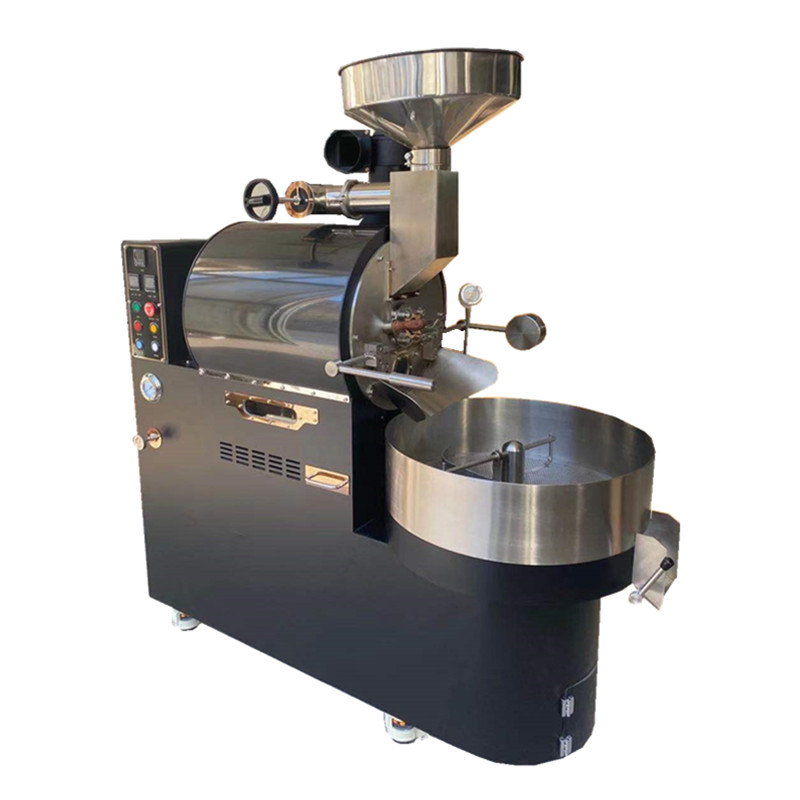
Countertop Placement Strategies for Coffee Roasting Machines: Balancing Functionality and Safety
Selecting the Right Surface Material and Stability
The countertop material beneath a coffee roaster must withstand high temperatures and vibrations without warping or cracking. Heat-resistant options like granite, stainless steel, or reinforced laminate are ideal, as they resist damage from accidental spills or prolonged exposure to residual heat. Avoid porous surfaces like untreated wood or marble, which can absorb oils or stains from roasted beans and chaff.
Stability is equally critical. Ensure the countertop is level to prevent the roaster from wobbling during operation, which could disrupt heat distribution or cause mechanical stress. Use a carpenter’s level to check for unevenness, and adjust the machine’s feet or add shims if necessary. A stable base also reduces noise and vibration transfer to surrounding areas, improving the workspace’s overall comfort.
Managing Heat Dissipation and Airflow
Coffee roasters generate significant heat, and improper placement can lead to overheating or reduced efficiency. Position the machine away from walls, cabinets, or other appliances to allow air to circulate freely around its body. If the countertop is enclosed (e.g., against a backsplash), leave at least 6–8 inches of clearance on all sides to prevent heat buildup.
For models with rear exhaust vents, ensure the area behind the roaster is unobstructed. Blocked vents can cause the machine to overheat, triggering safety shutoffs or damaging internal components. If the countertop is near a window, avoid placing the roaster directly beneath it, as sunlight can amplify ambient temperatures and affect the machine’s cooling systems.
Ergonomic Accessibility for Daily Use
The roaster’s placement should prioritize ease of use during loading, monitoring, and unloading. Position it at a height that allows comfortable access to the bean chute, control panel, and collection tray without excessive bending or stretching. For most users, a countertop height of 34–36 inches is optimal, though adjustable-height stands or platforms can accommodate individual preferences.
If the machine includes a viewing window, ensure it’s at eye level to simplify roast monitoring. This reduces the need to crouch or tilt the head, minimizing strain during long sessions. Additionally, leave enough space in front of the roaster to maneuver a scale, cooling tray, or other tools without crowding the workspace.
Noise and Vibration Control
Roasting machines produce vibrations and noise that can disrupt a quiet workspace. To mitigate this, place the roaster on a rubber mat or anti-vibration pad, which absorbs shocks and reduces noise transmission to the countertop. Avoid hard surfaces like metal or glass, which amplify vibrations and make the machine louder.
If the countertop is shared with other appliances (e.g., grinders or espresso machines), position the roaster away from them to prevent interference. For example, placing it on the opposite end of the countertop minimizes the risk of vibrations affecting nearby equipment or causing spills.
Safety Considerations for Electrical and Fire Hazards
Electrical safety is paramount when placing a roaster on a countertop. Ensure the outlet is grounded and matches the machine’s voltage requirements to prevent electrical faults. Avoid using extension cords, as they can overheat or create tripping hazards. If the countertop is near a sink or water source, install a ground-fault circuit interrupter (GFCI) to protect against shocks.
Fire safety is another concern. Keep flammable materials like paper towels, cloths, or wooden utensils away from the roaster’s body and exhaust vents. If the machine has a chaff collection system, empty it regularly to prevent buildup, which can ignite if exposed to high heat. Consider installing a smoke detector nearby as an additional precaution.
Organizing the Workspace for Efficiency
A cluttered countertop can hinder productivity and increase the risk of accidents. Designate a specific area for the roaster and arrange tools like scales, thermometers, and cooling trays within easy reach. Use wall-mounted shelves or hooks to store frequently used items like brushes or chaff scoops, keeping the countertop clear for essential tasks.
If the roaster is part of a larger coffee station, group related equipment (e.g., grinders, brewers) in a logical sequence to streamline workflow. For example, place the roaster near storage containers for green beans and position the grinder nearby for freshly roasted coffee. This reduces movement and minimizes the chance of spills or errors during busy periods.
By addressing these factors, users can create a functional, safe, and efficient countertop setup that enhances the coffee roasting experience without compromising on quality or safety.