

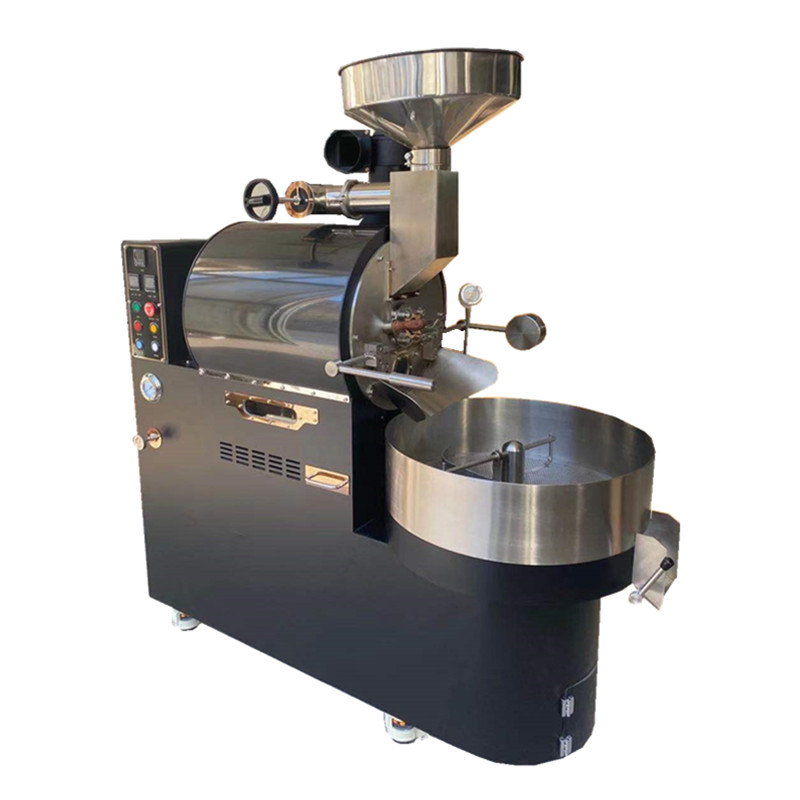
Ensuring Safe Transit: Packaging Strategies for Coffee Roasting Machines
Protecting Fragile Components During Shipping
Coffee roasting machines contain delicate parts like heating elements, thermocouples, and control panels that require careful handling during transit. To shield these components, manufacturers often use multi-layer packaging materials. For instance, the outer layer might consist of corrugated cardboard reinforced with wooden or plastic frames to absorb impacts, while inner layers feature foam inserts or air cushions to prevent movement. This layered approach minimizes the risk of damage from drops, vibrations, or compression, especially during long-distance shipping.
Special attention is given to vulnerable areas such as the drum assembly and electrical wiring. Drum bearings, which ensure smooth rotation, are wrapped in anti-static materials to avoid static discharge, while wiring harnesses are secured with zip ties or cable organizers to prevent tangling or fraying. Some manufacturers also include desiccant packets to absorb moisture, protecting metal parts from corrosion in humid environments. By addressing each component’s unique vulnerabilities, packaging design ensures the machine arrives in optimal condition, ready for immediate setup.
Customized Crating for Oversized or Heavy Models
Larger or heavier roasting machines demand specialized crating solutions to handle their size and weight. These crates are typically constructed from sturdy materials like plywood or steel, with reinforced corners and edges to distribute stress evenly. Internal bracing systems, such as crossbeams or adjustable supports, keep the machine stationary during transit, preventing shifting that could damage structural integrity. For example, a roaster weighing over 200 kilograms might be secured to a pallet base with industrial-grade straps, ensuring stability when lifted by forklifts or cranes.
Accessibility is another consideration in crate design. Some crates feature removable panels or hinged doors, allowing technicians to inspect the machine without fully disassembling the packaging. This is particularly useful for international shipments, where customs inspections or quality checks may be required. Additionally, crates are often labeled with clear handling instructions, such as “Fragile” or “This Side Up,” to guide logistics personnel and reduce mishandling risks. By combining durability with practicality, customized crating solutions safeguard heavy roasters throughout their journey.
Eco-Friendly Packaging Alternatives for Sustainability
As environmental concerns grow, many manufacturers are adopting eco-friendly packaging materials to reduce waste. Biodegradable foams made from plant-based polymers, for example, offer cushioning comparable to traditional styrofoam but decompose naturally within months. Recycled cardboard and paper-based honeycomb structures provide lightweight yet robust protection, replacing single-use plastics in many packaging designs. Some companies even use mycelium, a fungal material, to create custom-molded inserts that conform to the machine’s shape, offering both protection and sustainability.
Reusable packaging systems are another innovation gaining traction. These designs allow customers to return packaging materials after delivery, which manufacturers then refurbish for future shipments. For instance, a collapsible wooden crate with removable panels can be disassembled and shipped back, reducing the need for new materials with each order. This circular approach not only minimizes environmental impact but also lowers long-term packaging costs for both businesses and consumers. By prioritizing sustainability, roaster manufacturers align with global efforts to reduce carbon footprints in the coffee industry.
Minimalist Packaging for Small-Scale or Portable Roasters
Compact or portable roasting machines, often used for home or small-batch production, benefit from minimalist packaging that prioritizes efficiency and cost-effectiveness. These packages typically use single-wall cardboard boxes with minimal internal padding, relying on the machine’s compact size and durable construction to withstand minor impacts. For example, a lightweight roaster weighing under 30 kilograms might be wrapped in a thin layer of recycled paper and secured with biodegradable tape, reducing material use without compromising safety.
To enhance convenience, minimalist packaging often incorporates user-friendly features like integrated handles or pre-cut slots for easy carrying. Some designs even double as storage containers, allowing customers to repurpose the box for organizing accessories like brushes or sample trays. This approach appeals to eco-conscious buyers who value practicality and reduced waste, making it a popular choice for entry-level roasters or gift purchases. By streamlining packaging without sacrificing functionality, manufacturers cater to niche markets while promoting sustainable practices.
International Shipping Considerations and Compliance
Shipping coffee roasting machines across borders introduces additional challenges, including customs regulations, tariffs, and cultural preferences for packaging materials. Manufacturers must ensure packages comply with international standards, such as the International Maritime Dangerous Goods (IMDG) Code for machines containing batteries or heating elements. Labels indicating hazardous materials, if applicable, must be clearly displayed, along with documentation like invoices and certificates of origin to facilitate smooth clearance.
Cultural differences also influence packaging design. For example, some countries prioritize reusable materials, while others focus on recyclability. Manufacturers often adapt their strategies to regional preferences, such as using bamboo-based packaging in Asia or cornstarch-derived plastics in Europe. Language-specific instructions and branding may also be included to resonate with local audiences. By addressing these factors, roaster manufacturers navigate the complexities of global logistics, ensuring their products reach international customers efficiently and compliantly.