

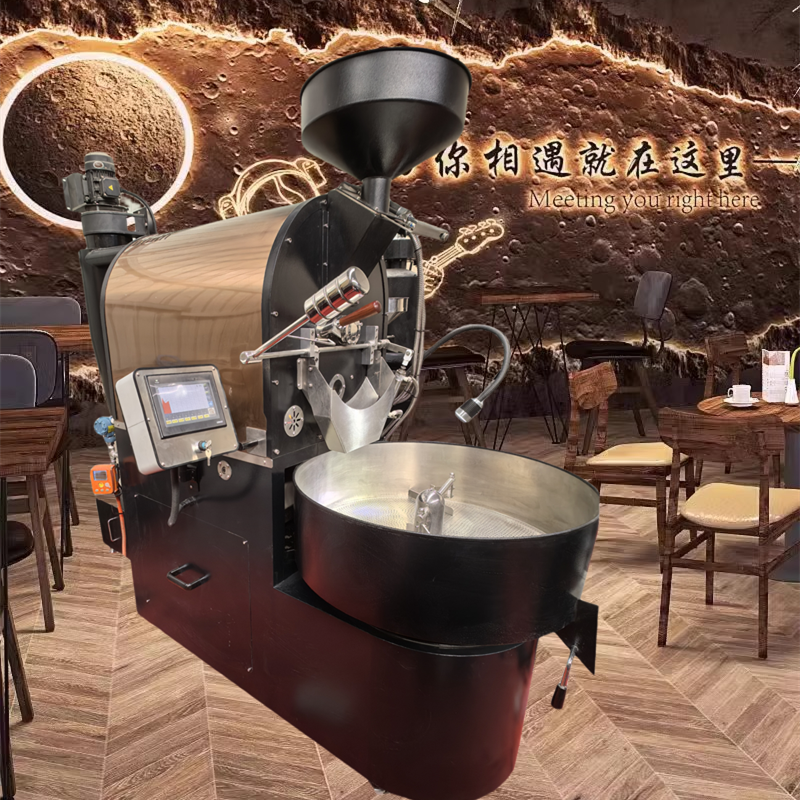
Reducing Noise in Coffee Roasters: Practical Solutions for Quieter Operation
Coffee roasting machines are essential tools for crafting high-quality beans, but their operational noise can disrupt workflows, annoy staff, or even violate local regulations. Excessive noise often stems from mechanical vibrations, airflow turbulence, or poor maintenance, but addressing these issues doesn’t require costly overhauls. Below, explore actionable strategies to identify, reduce, and prevent noise in your roasting setup without compromising performance.
Common Causes of Coffee Roaster Noise
Understanding the root causes of noise is the first step toward a quieter machine. Most roasters generate sound through a combination of mechanical and aerodynamic processes, each requiring tailored solutions.
Mechanical Vibrations and Loose Components
Roasters rely on moving parts like drums, fans, and motors, which vibrate during operation. Over time, bolts, bearings, or mounting brackets may loosen, amplifying vibrations and creating rattling or grinding noises. For example:
- A misaligned drum can strike its housing, producing a loud, intermittent clanging.
- Worn motor bearings may emit a high-pitched whine or grinding sound as they struggle to rotate smoothly.
- Loose fan blades can wobble, striking the fan casing and generating sharp, repetitive impacts.
Airflow Turbulence and Duct Design
Roasters use forced air to regulate temperature and remove chaff, but poorly designed ductwork can create turbulent airflow. This turbulence manifests as a low, rumbling noise or whistling sounds if air escapes through gaps. Common issues include:
- Sharp bends in ducts force air to change direction abruptly, increasing turbulence and noise.
- Undersized ducts restrict airflow, forcing fans to work harder and generate louder operation.
- Gaps between duct sections or around filters allow air to escape, producing a hissing or whistling effect.
Drum Material and Rotation Speed
The drum’s material and rotation speed influence how beans tumble and interact with its surface. Thicker, heavier drums dampen sound better than thinner ones, while excessive speed can create a loud, chaotic tumbling noise. For instance:
- A stainless steel drum may produce a higher-pitched clatter compared to a cast-iron one due to differences in density.
- Rotating the drum too fast (e.g., above 70 RPM for small roasters) can cause beans to collide violently, increasing noise levels.
Immediate Steps to Lower Roaster Noise
You don’t need to overhaul your machine to reduce noise. Start with these simple adjustments to address the most common culprits.
Tightening Loose Parts and Replacing Worn Components
Regular inspections can catch loose or damaged parts before they escalate noise issues. Focus on these areas:
- Drum alignment: Check that the drum sits centered within its housing. Adjust mounting brackets if it rubs against the sides.
- Motor bearings: Listen for unusual sounds during startup or shutdown. Replace bearings if they emit grinding or squealing noises.
- Fan blades: Ensure blades are securely attached and balanced. Tighten screws or replace damaged blades to prevent wobbling.
- Bolts and brackets: Inspect all visible bolts, especially those connecting the drum, motor, and frame. Tighten any that feel loose to the touch.
Adjusting Airflow Settings for Smofer Operation
Optimizing airflow reduces turbulence and fan strain, lowering noise without affecting roast quality. Try these tweaks:
- Reduce airflow during drying phase: High airflow early in the roast can create excessive turbulence. Start with 50–60% of maximum airflow and increase gradually.
- Use steady airflow in later stages: Avoid sudden changes in airflow during the Maillard or development phases, as these can cause pressure fluctuations and noise.
- Check duct connections: Ensure all duct sections fit snugly together. Use weatherstripping or foam tape to seal gaps where air might escape.
Modifying Drum Rotation Speed
Finding the right balance between drum speed and noise involves experimentation. Start with these guidelines:
- Lower speed for light roasts: Lighter roasts require gentler tumbling to avoid scorching. Reduce drum speed to 50–60 RPM and monitor bean movement.
- Increase speed for dark roasts: Darker roasts benefit from faster rotation to ensure even development. Try 60–70 RPM, but avoid speeds that cause beans to bounce violently.
- Listen for changes: Adjust speed in 5 RPM increments and note how noise levels respond. Aim for the quietest setting that still achieves your desired roast profile.
Long-Term Solutions for Sustainable Noise Reduction
For persistent noise problems, consider these structural upgrades to your roasting environment or machine design.
Soundproofing the Roasting Area
Creating a dedicated, insulated space for your roaster can dramatically reduce noise transmission. Key strategies include:
- Acoustic panels: Install fiberglass or foam panels on walls and ceilings to absorb sound waves. Focus on areas directly behind or above the roaster.
- Floating floors: Use rubber mats or cork underlayment beneath the roaster to decouple it from the building’s structure, preventing vibrations from traveling through floors.
- Door seals: Add weatherstripping around doors leading to the roasting area to block sound leakage. Use solid-core doors for better insulation.
Upgrading Ductwork for Smoother Airflow
Redesigning ducts to minimize turbulence can cut noise by 30% or more. Prioritize these improvements:
- Smooth bends: Replace sharp 90-degree elbows with gradual, sweeping curves to guide airflow smoothly.
- Larger diameter ducts: Upgrade to wider ducts to reduce air velocity and pressure drops, which lower fan noise.
- Inline silencers: Install silencers (mufflers) in duct runs to dampen sound without restricting airflow. Choose models rated for high-temperature applications.
Isolating Vibrations with Anti-Vibration Mounts
Vibration isolation prevents mechanical noise from spreading to the surrounding environment. Effective methods include:
- Rubber mounts: Replace rigid metal mounts with rubber or neoprene isolators to absorb vibrations before they reach the floor or frame.
- Spring isolators: For heavy roasters, use spring-loaded mounts to provide greater vibration dampening, especially at lower frequencies.
- Flexible couplings: Install flexible couplings between the motor and drum to reduce transmission of vibrations through the drivetrain.
Maintaining Your Roaster for Quieter Performance
Regular maintenance prevents noise from recurring by addressing wear and tear before it becomes problematic. Incorporate these tasks into your routine:
Lubricating Moving Parts
Friction between moving components generates noise and wear. Keep these parts well-lubricated:
- Drum bearings: Apply high-temperature grease to bearings every 3–6 months, or as recommended by the manufacturer.
- Motor shafts: Lubricate motor shafts and couplings to reduce squeaking or grinding sounds during rotation.
- Fan axles: Ensure fan axles spin freely by applying a drop of oil to their bearings or bushings.
Cleaning Ducts and Fans
Chaff and dust buildup in ducts and fans can disrupt airflow and increase noise. Clean these components regularly:
- Ductwork: Use a vacuum with a brush attachment to remove chaff from duct interiors. For stubborn buildup, disassemble sections and wipe them down.
- Fans: Clean fan blades and housings with a damp cloth to remove dust. Ensure blades are free of debris that could cause imbalance.
- Filters: Replace or clean air filters according to the manufacturer’s schedule to maintain optimal airflow and reduce fan strain.
Monitoring Wear on Critical Components
Track the condition of parts prone to wear, such as belts, bearings, and gaskets, to replace them before they cause noise:
- Belts: Check for cracks or stretching in drive belts connecting the motor to the drum or fan. Replace belts that show signs of wear.
- Gaskets: Inspect gaskets around doors, ducts, and the drum for leaks or deterioration. Replace gaskets that no longer seal properly to prevent air leaks.
- Seals: Ensure seals around the drum and motor housing are intact. Damaged seals can allow vibrations to escape, increasing noise levels.
Adapting Noise Reduction for Different Roaster Types
Drum Roasters vs. Fluid-Bed Roasters
- Drum roasters: Focus on drum alignment, material, and rotation speed. Thicker drums and slower speeds generally produce less noise.
- Fluid-bed roasters: Airflow is the primary noise source. Optimize fan speed and duct design to minimize turbulence. Use soundproofing around the fan housing.
Small-Batch vs. Large-Batch Roasters
- Small-batch roasters (1–5 kg): Noise is often mechanical, stemming from motors or fans. Prioritize lubrication and vibration isolation.
- Large-batch roasters (10+ kg): Airflow noise dominates due to higher volumes. Upgrade ductwork and install silencers for best results.
Electric vs. Gas-Powered Roasters
- Electric roasters: Motors are the main noise source. Ensure proper alignment and lubrication to reduce whirring or grinding sounds.
- Gas-powered roasters: Burners and fans generate noise. Clean burners regularly to prevent uneven firing, which can cause vibrations.
Final Tips for a Quieter Roasting Experience
- Schedule roasting during off-peak hours: If noise is unavoidable, operate the roaster when fewer people are nearby to minimize disruptions.
- Use noise-canceling headphones: Provide staff with headphones to protect their hearing and improve focus in noisy environments.
- Document maintenance tasks: Keep a log of lubrication, cleaning, and part replacements to track noise trends and address issues proactively.
By identifying the sources of noise, making targeted adjustments, and maintaining your machine regularly, you can achieve a quieter, more efficient roasting operation. Whether you’re troubleshooting persistent rattles or planning a long-term soundproofing project, these strategies will help you balance performance with peace and quiet.