

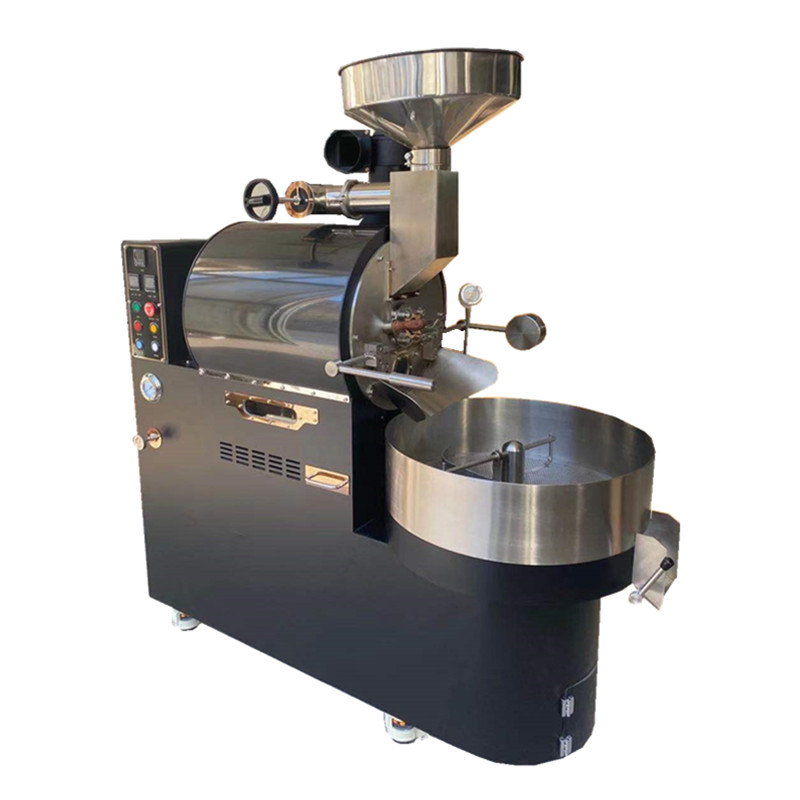
Effective Moisture Control Strategies for Coffee Roasters
Coffee roasting equipment operates in environments where humidity fluctuations can significantly impact performance and the quality of roasted beans. Excess moisture can lead to corrosion, electrical malfunctions, and inconsistent roasting results. Implementing proactive moisture control methods is essential to maintain the longevity and efficiency of coffee roasters.
Environmental Humidity Management
Controlled Roasting Space Ventilation
Proper ventilation in the roasting area plays a crucial role in regulating humidity levels. Installing exhaust fans or ventilation systems helps remove moist air and introduces drier outdoor air, maintaining a balanced environment. Position exhaust vents near sources of moisture, such as cooling areas or water storage, to effectively draw out humid air. For example, in a roasting facility with high humidity, strategically placed ceiling fans can enhance air circulation, preventing moisture buildup on roaster surfaces and components.
Additionally, consider using intake vents with adjustable louvers to control the amount of outdoor air entering the space. During periods of high outdoor humidity, reduce the intake of moist air while ensuring sufficient ventilation to avoid stagnant conditions. This dynamic approach to ventilation allows for precise humidity management based on seasonal or daily weather variations.
Dehumidification Systems
In regions with consistently high humidity or during rainy seasons, dehumidifiers can be an effective solution for moisture control. Portable or industrial-grade dehumidifiers can be placed in the roasting area to extract excess moisture from the air. These devices work by condensing water vapor from the air and collecting it in a reservoir or draining it away.
Select a dehumidifier with a capacity suitable for the size of the roasting space. Regularly monitor and empty the water reservoir to ensure continuous operation. Some advanced dehumidifiers come with humidistats, which automatically adjust the dehumidification level based on the set humidity threshold, providing hands-free moisture control.
Roaster Component Protection
Sealing and Insulation Upgrades
Moisture can penetrate the roaster through gaps or poorly insulated areas, leading to internal corrosion and electrical issues. Inspect the roaster for any cracks, holes, or loose seals around doors, panels, and joints. Use high-quality silicone sealants or weatherstripping to seal these gaps, preventing moisture ingress.
Upgrade the insulation materials in the roaster, especially in areas exposed to high humidity. Choose insulation with moisture-resistant properties, such as closed-cell foam or fiberglass with a vapor barrier. Proper insulation not only helps maintain consistent roasting temperatures but also protects internal components from moisture damage.
Protective Coatings for Metal Surfaces
Metal components of the roaster, such as the roasting drum, chassis, and electrical enclosures, are susceptible to rust and corrosion in humid environments. Applying protective coatings can create a barrier against moisture and extend the lifespan of these parts.
Consider using rust-inhibiting primers followed by a durable topcoat, such as epoxy or polyurethane paint. These coatings provide excellent resistance to moisture, chemicals, and abrasion. Regularly inspect the coated surfaces for any signs of wear or damage and touch up the coatings as needed to maintain their protective properties.
Bean Handling and Storage Practices
Pre-Roast Bean Drying
If the incoming coffee beans have high moisture content, pre-drying them before roasting can help improve roasting consistency and reduce the risk of moisture-related issues in the roaster. Use a dedicated bean dryer or a low-temperature oven to gently remove excess moisture from the beans.
Monitor the moisture content of the beans using a moisture meter to determine the appropriate drying time and temperature. Avoid over-drying, as this can affect the flavor and aroma of the roasted coffee. Once dried, store the beans in airtight containers or bags to prevent reabsorption of moisture before roasting.
Proper Post-Roast Bean Cooling and Storage
After roasting, the beans release steam and heat, which can increase the humidity in the immediate vicinity if not managed properly. Use a dedicated cooling system, such as a cooling tray or forced-air cooler, to rapidly cool the beans and remove excess moisture. Ensure that the cooling area is well-ventilated to prevent moisture buildup.
Once cooled, transfer the beans to airtight containers or bags with one-way valves to allow for the release of carbon dioxide while preventing oxygen and moisture from entering. Store the containers in a cool, dry place away from direct sunlight and sources of heat or humidity. Regularly check the containers for any signs of moisture condensation or damage and replace them if necessary.