

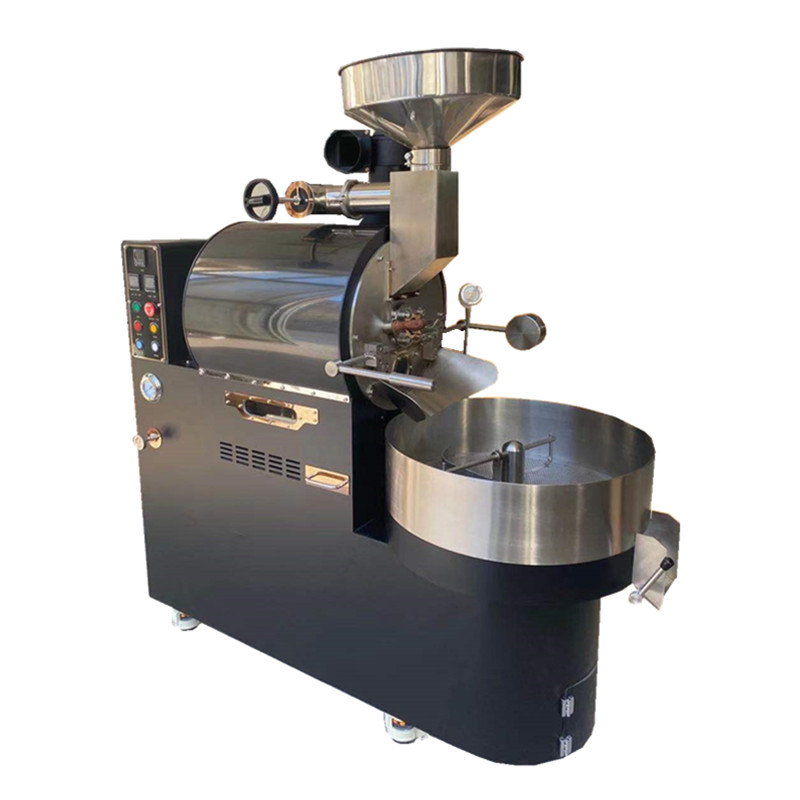
Choosing the Right Power Cord Length for Coffee Roasting Machines
Practical Considerations for Cord Length Selection
The length of a coffee roaster’s power cord directly impacts workspace flexibility and safety. A cord that’s too short may force the machine into awkward positions near outlets, limiting ventilation or obstructing workflow. For example, placing a roaster too close to a wall to reach an outlet could block airflow, causing overheating during long sessions. Conversely, an excessively long cord creates clutter, increasing tripping hazards or accidental disconnections.
Workshop layout plays a critical role in determining ideal cord length. In compact kitchens or cafes, a 3–5-foot cord might suffice if the roaster is positioned near a dedicated outlet. Larger commercial spaces with centralized power sources may require 10–15-foot cords to connect roasters placed across the room from electrical panels. Measure the distance between the roaster’s intended location and the nearest outlet to avoid guesswork.
Safety Implications of Incorrect Cord Lengths
Using a cord shorter than needed often leads to unsafe workarounds, such as extension cords or daisy-chaining multiple cords. These practices violate electrical safety standards in most regions, as they increase resistance and heat buildup. For instance, running a high-wattage roaster through a thin extension cord could melt the insulation or trigger circuit overloads, posing fire risks.
Overly long cords, while convenient, require careful management. Coiling excess length near the roaster creates inductance, which may interfere with electronic controls or temperature sensors. Always uncoil the cord fully during operation to prevent voltage drops or erratic behavior. If storage is a concern, use cable organizers or hooks to keep the cord tidy without compromising accessibility.
Matching Cord Length to Roaster Wattage
High-power roasters demand thicker, shorter cords to handle their electrical load efficiently. A 3,500W commercial roaster typically ships with a 6–8-foot cord rated for 15–20 amps, ensuring minimal resistance and heat generation. Using a longer, thinner cord with such a machine could lead to voltage drops, causing inconsistent heating or motor slowdowns in drum roasters.
Lower-wattage models, like 800W home roasters, offer more flexibility with cord length. These machines often come with 5–10-foot cords, as their lower power draw reduces the risk of overheating even with longer wires. However, avoid exceeding 15 feet for any roaster without consulting an electrician, as resistance increases exponentially with length, potentially affecting performance.
Adapting to Non-Standard Outlet Locations
In facilities with outlets placed unusually high or low, cord length adjustments may be necessary. For example, a roaster positioned beneath a countertop might need a 10-foot cord to reach a floor-level outlet without stretching. Conversely, machines placed on elevated shelves could work with shorter cords if the outlet is directly above.
If relocating outlets isn’t an option, consider installing a junction box near the roaster’s ideal spot. This allows for a shorter, permanent cord while maintaining safety standards. Always hire a licensed electrician for such modifications to ensure compliance with local codes and avoid voiding warranties.
Cord Storage and Maintenance Tips
Proper storage extends the lifespan of power cords and prevents accidents. After each use, coil the cord loosely using an over-under technique to avoid kinks. Store it in a dry, dust-free area away from sharp objects or chemicals that could damage the insulation. For roasters with retractable cords, avoid forcing the mechanism, as this may cause internal fraying.
Regularly inspect the cord for signs of wear, such as cracks, exposed wires, or discoloration near the plug or roaster connection. Replace damaged cords immediately, even if the roaster appears to function normally. Frayed wires pose electrocution risks and could ignite flammable materials like coffee chaff during operation.
International Cord Length Standards and Adaptations
Countries vary in outlet placement and voltage, influencing cord length requirements. In the U.S., where outlets are typically 12–18 inches above the floor, 6–8-foot cords are common for freestanding roasters. In Europe, where outlets are often higher or integrated into countertops, 3–5-foot cords may suffice for compact models.
When importing or using roasters abroad, verify cord compatibility with local electrical systems. Some regions use thicker plugs or different voltage ratings, necessitating adapters or cord replacements. For example, a roaster designed for 110V North America may require a step-down transformer and a new cord if used in a 240V European kitchen.
Future-Proofing Your Setup
If planning to expand or rearrange your roasting space, opt for a slightly longer cord than currently needed. This provides flexibility to move the roaster without investing in new cords or electrical work. For instance, choosing a 12-foot cord instead of an 8-foot one accommodates future outlet relocations or equipment upgrades.
For businesses anticipating higher production volumes, consider upgrading to industrial-grade cords with reinforced insulation and strain relief. These cords withstand frequent bending and high temperatures better than standard consumer models, reducing downtime from cord failures. Always match the cord’s amperage rating to the roaster’s maximum draw to ensure safety and efficiency.