
The Evolution of Coffee Roasting Through Intelligent Control Systems
Real-Time Monitoring for Unmatched Precision
Intelligent control systems in coffee roasting machines leverage advanced sensors to track critical parameters like bean temperature, airflow velocity, and drum rotation speed in real time. These sensors, often embedded directly into the roasting chamber, provide granular data that traditional analog gauges cannot match. For instance, high-resolution thermal probes measure bean core temperature with accuracy up to ±0.5°C, ensuring roasters can detect subtle shifts during the Maillard reaction or caramelization phases. This level of precision allows for minute adjustments mid-roast, such as increasing airflow to prevent scorching or lowering heat to extend the development stage.
The integration of IoT connectivity further enhances monitoring capabilities. Data streams from the roasting machine can be accessed remotely via mobile apps or cloud platforms, enabling roasters to oversee multiple batches simultaneously. This is particularly valuable for commercial operations managing high-volume production, as it reduces the need for constant physical presence near the equipment. Some systems even offer predictive analytics, using historical data to forecast optimal roast times based on bean variety, moisture content, and environmental conditions.
Adaptive Learning Algorithms for Consistent Quality
Modern intelligent control systems incorporate machine learning algorithms that analyze past roast data to refine future performance. These algorithms identify patterns in variables like temperature curves, airflow patterns, and drum speed, then use this insight to suggest adjustments for subsequent batches. For example, if a roast consistently develops a slightly bitter aftertaste, the system might recommend reducing the final drying phase temperature by 5°C to balance acidity and sweetness. Over time, this adaptive learning creates a feedback loop that continuously improves roast quality, even for novice operators.
The ability to save and replicate roast profiles is another key advantage. Roasters can store successful profiles in the system’s memory, ensuring consistency across batches regardless of external factors like ambient temperature or bean moisture levels. Some systems even allow users to share profiles digitally, fostering collaboration within the specialty coffee community. This standardization is critical for maintaining brand identity, as customers expect the same flavor experience whether they purchase coffee from a café in New York or Tokyo.
Energy Optimization and Sustainability Integration
Intelligent control systems prioritize energy efficiency by dynamically adjusting power consumption based on roast requirements. For example, the system might reduce heater output during the initial drying phase when beans contain high moisture content, then ramp up heat during the development stage to achieve the desired roast level. This intelligent power management can cut energy use by up to 30% compared to traditional roasters, lowering operational costs and environmental impact.
Sustainability features extend beyond energy savings. Some systems integrate with renewable energy sources, such as solar panels or biogas generators, to power the roasting process. Others include waste reduction protocols, like automatic chaff collection and recycling systems that repurpose byproducts into compost or biofuel. These innovations align with global sustainability goals, appealing to eco-conscious consumers and helping roasters meet regulatory requirements for carbon emissions.
User-Centric Design for Enhanced Workflow
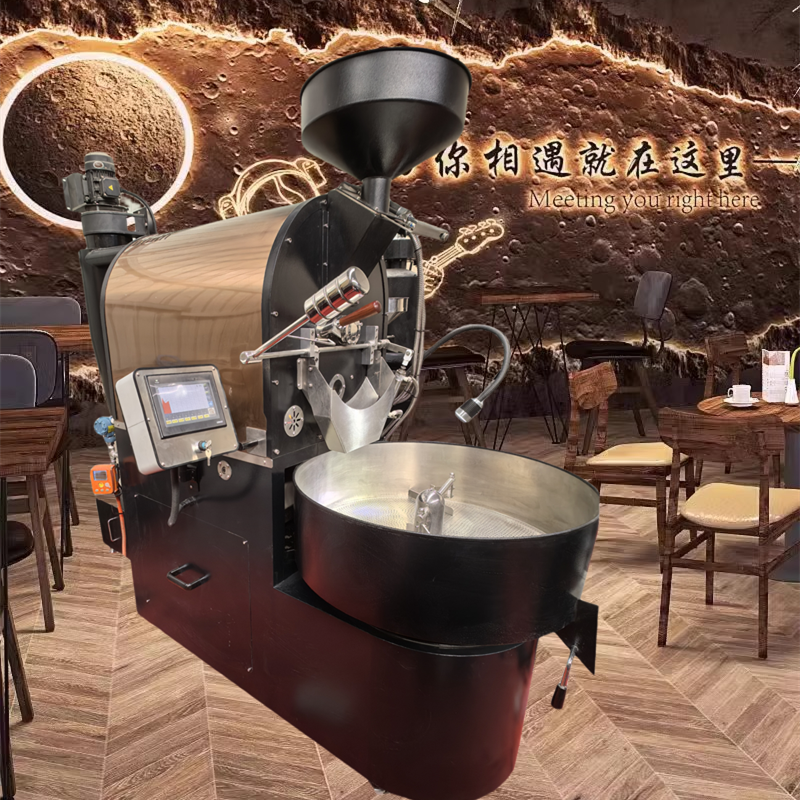
The interface of intelligent control systems is designed with user experience in mind, featuring intuitive touchscreens or mobile apps that simplify operation. Color-coded dashboards display real-time metrics in a visually accessible format, while step-step guides walk users through roast setup and execution. This accessibility is particularly beneficial for small-batch roasters or home enthusiasts who may lack formal training in coffee roasting science.
Customization options further enhance workflow efficiency. Roasters can create personalized dashboards that prioritize the metrics they value most, such as bean temperature or airflow rate. Some systems even offer voice command integration, allowing operators to adjust settings hands-free during busy periods. These user-centric features reduce the learning curve for new operators and streamline processes for experienced professionals, ultimately improving productivity and product quality.
Integration with Supply Chain and Quality Control
Intelligent control systems extend their influence beyond the roasting machine by integrating with broader supply chain and quality control workflows. For instance, they can sync with inventory management software to track bean usage and trigger reorders when stock levels run low. This integration ensures roasters always work with fresh beans, which is critical for achieving optimal flavor development.
Quality control modules within the system analyze roast data to flag inconsistencies or defects. If a batch falls outside predefined parameters for acidity, body, or aftertaste, the system alerts the operator and suggests corrective actions. This proactive approach to quality assurance minimizes waste and ensures that only premium-grade coffee reaches customers. By bridging roasting technology with supply chain and quality management, intelligent control systems create a holistic ecosystem that elevates the entire coffee production process.