

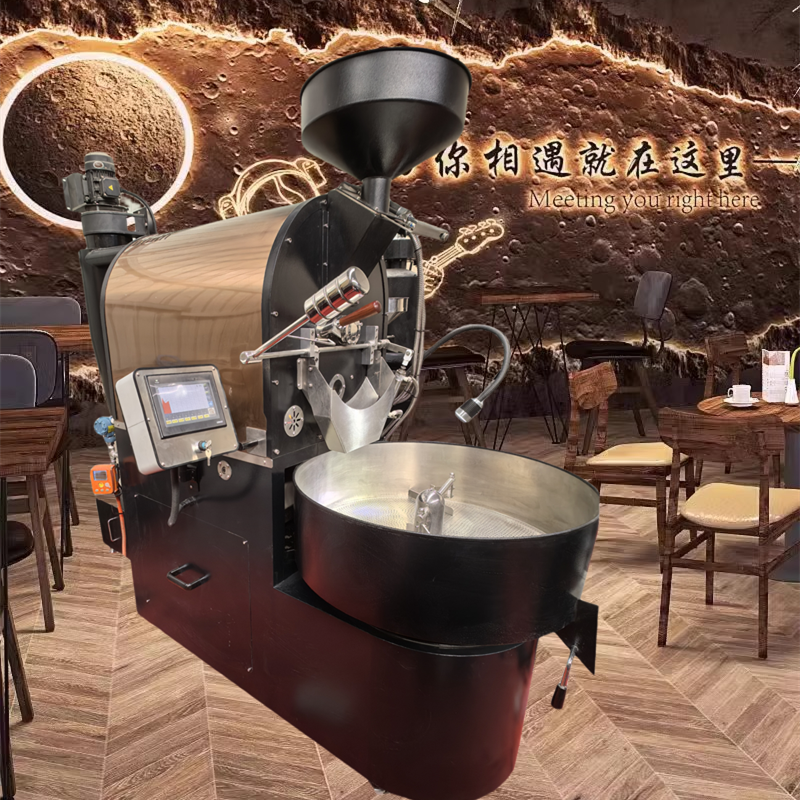
Smart Temperature Control Systems for Unmatched Precision
Modern coffee roasting machines now integrate AI-driven temperature control systems that analyze bean moisture, density, and origin data in real time. These systems adjust heat application in 1°C increments, ensuring consistent roast profiles even for single-origin beans. For instance, advanced thermal sensors paired with PID-controlled heating elements eliminate human error, allowing roasters to replicate complex flavor profiles with minimal deviation. Some models even incorporate infrared cameras to detect uneven roasting, triggering automatic corrections to maintain uniformity. This level of precision is critical for specialty coffee roasters aiming to highlight nuanced flavors like floral notes in Ethiopian Yirgacheffe or chocolate undertones in Colombian Supremo.
Hybrid Heating Technologies for Balanced Flavor Development
The latest roasting machines combine multiple heat sources to optimize flavor extraction. Hybrid systems that merge conduction (direct contact with the drum) and convection (hot air circulation) are gaining traction for their ability to balance body and acidity. For example, a top-mounted electric heating element paired with a bottom-mounted forced-air system ensures even heat distribution, preventing scorching while enhancing sweetness. This approach is particularly effective for light to medium roasts, where preserving a bean’s natural acidity is essential. Some machines also feature adjustable airflow valves, enabling roasters to fine-tune the convection intensity for specific bean varieties or roast levels, such as a slow, gentle roast for delicate Gesha beans or a high-heat blast for bold Robusta.
IoT Integration for Remote Monitoring and Data-Driven Optimization
IoT-enabled roasting machines are transforming workflows by allowing real-time monitoring and adjustments via mobile apps or cloud platforms. These systems track critical metrics like bean temperature, airflow speed, and roast time, storing data for historical comparison. For instance, a roaster can remotely adjust parameters mid-roast or replicate a successful batch using saved profiles. Advanced analytics tools analyze this data to suggest optimal roast curves based on bean origin, processing method, and desired flavor notes. Some models even sync with inventory management software, automatically scheduling roasts based on raw bean availability and demand forecasts. This connectivity not only improves efficiency but also reduces waste by minimizing over- or under-roasted batches.
Sustainability-Focused Design Innovations
Eco-conscious features are becoming standard in modern roasting machines. Heat recovery systems capture and repurpose waste energy from exhaust air, reducing fuel consumption by up to 30%. For example, a closed-loop cooling system might use recirculated water to lower bean temperatures post-roast, minimizing water waste and thermal pollution. Materials innovation is another key area, with manufacturers adopting recyclable insulation and corrosion-resistant aluminum alloys to extend equipment lifespan. Advanced filtration technologies capture particulate matter and volatile organic compounds (VOCs), ensuring compliance with strict air quality regulations while protecting operator health. These sustainability-driven designs appeal to eco-conscious roasters and align with global carbon-neutrality goals, making them a priority for businesses seeking to reduce their environmental footprint.
User-Centric Features for Enhanced Ergonomics and Safety
Intuitive interfaces and ergonomic designs are improving accessibility for roasters of all skill levels. Touchscreen controls with multilingual support simplify operation, while voice-activated commands and haptic feedback systems reduce physical strain during long sessions. Transparent viewing windows with heat-resistant glass allow roasters to monitor the process without opening the chamber, preserving temperature stability and minimizing burn risks. Safety enhancements include automatic shutdown protocols for overheating or malfunctions, as well as pressure relief valves to prevent equipment damage. Modular components, such as quick-release drums and self-cleaning chaff collectors, streamline maintenance, reducing downtime and operational costs. These features cater to high-volume environments where efficiency and workplace safety are non-negotiable.