

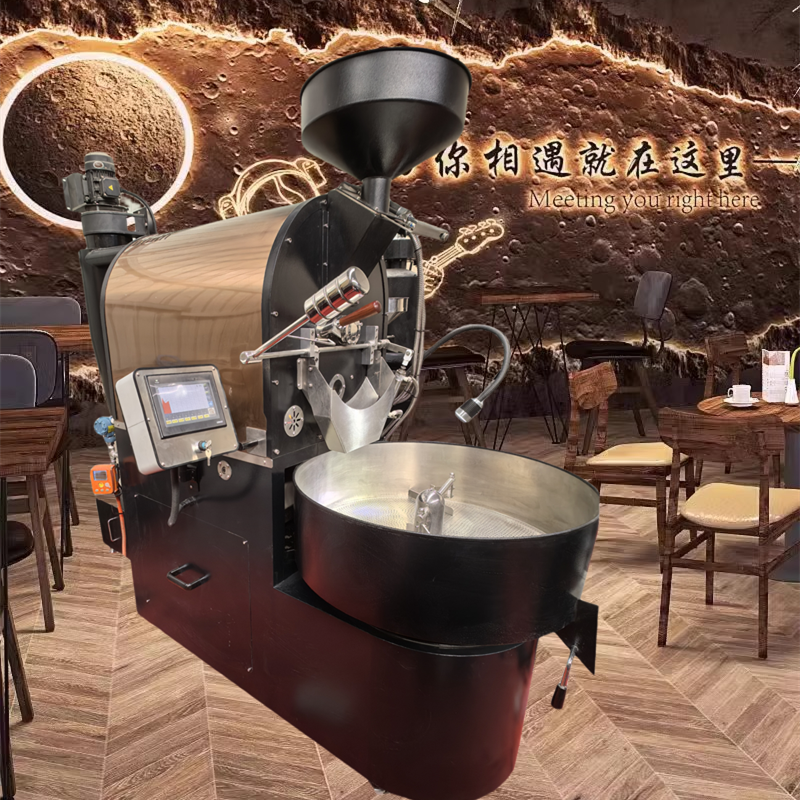
Enhancing Coffee Roaster Performance: The Critical Role of Insulation
Effective insulation in coffee roasters is not just a design feature—it’s a fundamental component that influences roast quality, operational safety, and energy efficiency. From minimizing heat loss to protecting equipment and operators, advanced insulation solutions are transforming how coffee roasters perform in professional and home settings alike.
Thermal Efficiency and Energy Conservation
Insulation directly impacts a roaster’s ability to maintain consistent temperatures throughout the roasting cycle. Without proper insulation, heat escapes through the machine’s exterior, forcing the heating system to work harder to compensate. This not only increases energy consumption but also leads to uneven heat distribution, compromising roast uniformity.
Advanced insulation materials, such as ceramic nanofiber aerogels or high-density silicate fibers, create a thermal barrier that retains heat within the roasting chamber. These materials are engineered to withstand extreme temperatures while minimizing conductive, convective, and radiant heat transfer. For instance, ceramic nanofiber aerogels can endure temperatures exceeding 1,000°C, making them ideal for high-heat applications like coffee roasting. By reducing heat loss, these materials help roasters achieve precise temperature control, which is essential for developing consistent flavor profiles batch after batch.
Safety Enhancements Through Insulation
The exterior surfaces of uninsulated coffee roasters can reach dangerously high temperatures during operation, posing a risk of burns to operators. This is particularly concerning in commercial environments where roasters are used continuously throughout the day. Insulation acts as a protective layer, lowering the surface temperature of the machine and creating a safer workspace.
For example, a roaster equipped with advanced insulation may see its exterior temperature drop by as much as 30–50% compared to an uninsulated model. This reduction significantly decreases the likelihood of accidental burns, especially in high-traffic areas like cafes or roasting facilities. Additionally, insulation helps protect sensitive components within the roaster from heat damage, extending the lifespan of the machine and reducing maintenance costs.
Reducing Operational Noise
While not immediately obvious, insulation also plays a role in dampening operational noise. The vibrations and airflow generated during roasting can create a loud, disruptive environment, particularly in smaller spaces. Insulating materials with sound-absorbing properties help muffle these noises, creating a quieter, more comfortable workspace. This is especially beneficial for home roasters or small cafes where excessive noise can detract from the overall experience.
Impact on Roast Quality and Flavor Development
Consistent heat distribution is paramount for achieving balanced, flavorful roasts. Insulation ensures that heat remains evenly distributed throughout the roasting chamber, preventing hot spots or cold zones that can lead to uneven development. This uniformity allows roasters to fine-tune their processes, whether aiming for a light, fruity profile or a dark, chocolatey finish.
Moreover, insulation helps maintain stable temperatures during the cooling phase, which is critical for locking in desired flavors. After roasting, beans must be cooled rapidly to halt the chemical reactions that continue to occur. Insulation prevents external heat from interfering with this process, ensuring that the beans cool efficiently and consistently. This attention to detail can make the difference between a good roast and a great one, as even slight variations in cooling can alter the final flavor profile.
Extending Equipment Lifespan
The high temperatures generated during roasting place significant stress on a machine’s components, from heating elements to electronic controls. Insulation helps mitigate this stress by reducing the amount of heat that reaches these parts, thereby slowing down wear and tear. For example, a well-insulated roaster may experience less thermal expansion and contraction in its metal components, reducing the risk of cracks or structural damage over time.
Additionally, insulation protects electronic systems from heat-related failures, which can be costly to repair. By maintaining a cooler internal environment, insulation ensures that sensors, timers, and other critical components function reliably for longer periods. This not only saves money on repairs but also minimizes downtime, keeping roasters operational when they’re needed most.
Environmental and Cost Benefits
In an era where sustainability is increasingly important, insulation offers a way to reduce a roaster’s environmental footprint. By minimizing heat loss, roasters consume less energy, lowering both operational costs and carbon emissions. This is particularly relevant for commercial roasters, where energy use can account for a significant portion of overhead expenses.
For example, a roaster with advanced insulation may use 20–30% less energy than an uninsulated model, depending on factors like roast size and frequency. Over time, these savings can add up to substantial reductions in both costs and greenhouse gas emissions. Additionally, many modern insulation materials are recyclable or made from sustainable sources, further aligning with eco-friendly practices.
Adapting Insulation to Different Roaster Types
Insulation needs can vary depending on the type of roaster being used. Drum roasters, which rely on direct heat transfer, benefit from insulation that minimizes heat loss through the drum’s surface. Hot-air roasters, which use convection to circulate heat, require insulation that maintains consistent airflow while preventing heat escape. Hybrid roasters, which combine elements of both methods, need a balanced approach to insulation that addresses both conductive and convective heat transfer.
By tailoring insulation solutions to the specific design of a roaster, manufacturers can optimize performance across all types of machines. This flexibility ensures that whether a roaster is used in a small cafe or a large-scale production facility, it can achieve the same level of precision and efficiency.
From improving roast quality to enhancing safety and reducing environmental impact, insulation is a critical factor in the performance of coffee roasters. By investing in advanced insulation materials and designs, roasters can achieve greater consistency, efficiency, and sustainability, ensuring that every batch of coffee meets the highest standards of excellence.