

Grinding Techniques for Caramel Macchiato: Crafting a Balanced Espresso Base
A caramel macchiato’s layered appeal—bold espresso, steamed milk, and sweet caramel drizzle—requires a grind size that supports both extraction clarity and milk integration. Unlike flat whites or cappuccinos, this drink prioritizes espresso’s smoothness to complement its caramel notes. Here’s how to optimize your grinding approach for this indulgent coffee.
Understanding Grind Requirements for Caramel Macchiato Espresso
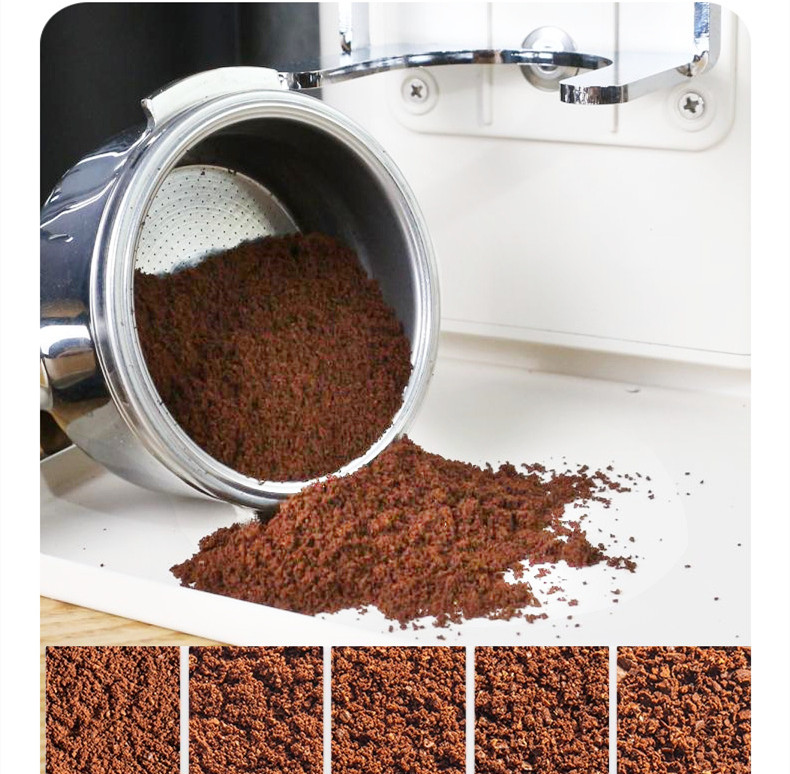
Caramel macchiatos typically use a medium-fine grind, slightly coarser than flat white or ristretto grinds, to produce a balanced shot with moderate body and acidity. This texture ensures water flows through the coffee puck at a controlled rate, extracting flavors without overpowering the milk or caramel.
- Too Coarse: A gritty grind leads to rapid water flow, creating a weak, sour shot. The espresso will struggle to stand out against steamed milk and caramel.
- Too Fine: A powdery grind restricts water flow excessively, causing over-extraction. The espresso becomes bitter, clashing with the drink’s sweetness.
Fine-Tuning Grind for Flavor Harmony
The goal is to create an espresso that complements caramel and milk without dominating the flavor profile. Adjustments should focus on enhancing sweetness and reducing bitterness.
Matching Grind to Bean Roast Level
Different roast profiles demand tailored grind sizes to highlight their inherent qualities:
- Light Roasts: These beans retain bright acidity and floral notes. A medium grind prevents over-extraction while preserving their vibrant characteristics, ensuring they don’t get lost beneath caramel and milk.
- Medium Roasts: These offer a balance of acidity and sweetness. A medium-fine grind enhances their caramel-like undertones, creating a natural harmony with the drink’s topping.
- Dark Roasts: These develop smoky or chocolatey flavors. A fine grind intensifies their richness, providing a robust base that pairs well with sweet caramel.
Controlling Extraction Time for Smoothness
Espresso shots for caramel macchiatos should extract in 22–28 seconds, yielding 1.5–2 ounces of liquid. Grind size directly impacts this timeline:
- Short Extraction (Under 20 seconds): Indicates a coarse grind. Adjust finer to increase resistance and extend contact time, ensuring full flavor extraction.
- Long Extraction (Over 30 seconds): Suggests an overly fine grind. Coarsen slightly to improve flow and reduce bitterness, maintaining a smooth mouthfeel.
External Factors Influencing Grind Consistency
Environmental conditions and bean freshness affect grind behavior, requiring proactive adjustments to maintain quality.
Humidity and Temperature Effects
High humidity causes coffee grounds to clump, slowing water flow and risking uneven extraction. A marginally coarser grind prevents channeling (where water bypasses grounds unevenly), ensuring a consistent shot. In dry climates, a finer grind maintains proper packing and pressure.
- Storage Tip: Keep beans in an airtight container away from light and heat to minimize environmental impact on grind stability.
Bean Freshness and Degassing
Freshly roasted beans release CO2, which can disrupt extraction. A slightly coarser grind (within the medium-fine range) helps manage gas release while preserving pressure. Stale beans lose complexity; a finer grind can extract remaining flavors, though results may lack vibrancy.
Portafilter Basket Capacity and Dose
The amount of coffee used (dose) and basket size influence grind requirements:
- Single Shot (7–9g): Requires a medium grind to avoid over-packing, which can lead to uneven extraction.
- Double Shot (14–18g): Needs a medium-fine grind to fill the basket evenly and resist water pressure.
Pairing Grind Size with Milk Steaming Techniques
A caramel macchiato’s success hinges on balancing espresso’s intensity with steamed milk’s sweetness. The grind size indirectly affects this equilibrium by determining the coffee’s strength and texture.
Enhancing Milk Integration
Steamed milk adds creaminess, so the espresso should provide a bold but approachable base. A medium-fine grind ensures the shot cuts through milk without overpowering it, allowing caramel to shine.
- Milk Type Adjustment: For plant-based milks (e.g., almond, coconut), which are less sweet than dairy, a slightly finer grind can enhance espresso presence.
Achieving Optimal Texture for Layering
Consistent grind size improves espresso’s crema and body, making it easier to create distinct layers of coffee, milk, and caramel. A uniform medium-fine grind supports a stable foam layer, allowing for cleaner pouring and better visual appeal.
By aligning grind size with these technical and contextual factors, you can elevate your caramel macchiato to a professional standard. Start with a medium-fine baseline, then refine based on taste tests, extraction times, and environmental conditions. Experimentation is key to finding the perfect balance for your palate and equipment.