

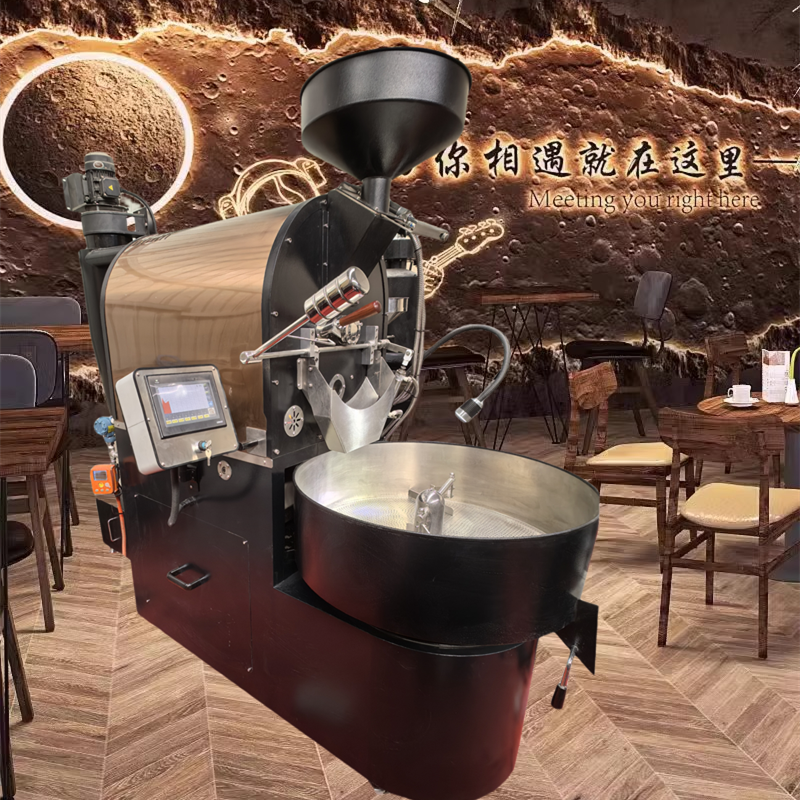
The Role of Observation Windows in Coffee Roasters: Enhancing Precision and Control
Observation windows on coffee roasters are more than just visual accessories—they are essential tools for monitoring the roasting process in real time. These transparent panels allow roasters to track bean color changes, assess development stages, and make informed adjustments to achieve desired flavor profiles. Understanding their practical benefits and design considerations can help roasters optimize their equipment for consistency and quality.
Real-Time Monitoring of Bean Development
One of the primary functions of an observation window is to provide a clear view of beans as they transition through roasting stages. From the initial yellowing of green beans to the deepening hues of medium and dark roasts, visual cues are critical for determining roast progression. Without direct observation, roasters would rely solely on time or temperature, which can vary based on bean density, moisture content, and ambient conditions.
For example, watching beans turn from light brown to caramel during the Maillard reaction helps roasters gauge flavor development. A well-placed observation window ensures this transformation is visible without opening the roaster, which could disrupt airflow or temperature stability. This is particularly important for specialty roasters aiming for precise control over nuanced flavors like fruitiness or chocolate notes.
Identifying Roasting Defects Early
Observation windows also enable roasters to spot issues like uneven roasting or scorching before they compromise the entire batch. Uneven color distribution—such as patches of lighter or darker beans—indicates inconsistent heat application, often caused by drum speed or airflow problems. Similarly, visible charring on bean surfaces signals excessive heat exposure, prompting immediate adjustments to prevent bitter flavors.
In commercial settings, where large batches are roasted continuously, observation windows help operators maintain quality control by catching defects early. Home roasters benefit equally, as they can pause or modify the roast to salvage batches that might otherwise be ruined.
Adjusting Roast Parameters Based on Visual Feedback
The ability to see beans during roasting allows for dynamic adjustments to heat, airflow, and drum speed. For instance, if beans appear to be developing too quickly, a roaster might lower the heat or increase airflow to slow the process and avoid burning. Conversely, if beans are lagging in color development, raising the temperature or reducing airflow can accelerate caramelization.
Fine-Tuning for Specific Coffee Varieties
Different coffee varieties and origins require unique roasting approaches. Observation windows empower roasters to tailor their methods to each batch’s characteristics. For example, high-altitude beans with dense cell structures may take longer to develop sweetness, requiring closer visual monitoring to avoid under-roasting. Similarly, delicate beans like Geisha might need a gentler roast, with adjustments made based on subtle color shifts observed through the window.
This level of precision is invaluable for experimental roasting, where small changes can yield dramatically different results. By relying on visual feedback, roasters can push boundaries while maintaining control over the final product.
Safety and Maintenance Benefits
Observation windows contribute to safer roasting operations by reducing the need to open the machine during use. Opening a roaster mid-cycle releases heat and smoke, posing risks to the operator and disrupting the roast environment. A transparent window allows for monitoring without exposure to these hazards, creating a safer workspace.
Simplifying Cleaning and Inspection
During maintenance, observation windows provide a quick way to check for chaff buildup, bean fragments, or other debris inside the roasting chamber. This visibility streamlines cleaning routines, as roasters can identify problem areas without disassembling the entire machine. Regular inspection through the window also helps detect wear on internal components, such as drum baffles or seals, ensuring the roaster operates efficiently over time.
In commercial environments, where downtime is costly, observation windows minimize maintenance-related interruptions by enabling proactive upkeep. Home roasters appreciate this convenience as well, as it simplifies the process of keeping their equipment in top condition.
Design Considerations for Effective Observation Windows
The effectiveness of an observation window depends on its size, placement, and material. Larger windows offer broader visibility but may compromise the roaster’s structural integrity if not reinforced properly. Smaller windows, while more durable, limit the field of view, potentially requiring roasters to reposition frequently during monitoring.
Material Durability and Heat Resistance
Observation windows must withstand high temperatures without cracking or discoloring. Tempered glass is a common choice due to its heat resistance and clarity, though some roasters opt for polycarbonate for its impact resistance and lighter weight. The material should also resist scratching to maintain visibility over time, as scratches can distort the view and make it harder to assess bean color accurately.
Lighting and Contrast Enhancements
Proper lighting inside the roasting chamber is crucial for clear observation. Some designs incorporate internal LED lights to illuminate beans, enhancing contrast and making color changes easier to detect. This is particularly useful in low-light environments or for roasters with darker interiors, where natural light may be insufficient.
Anti-reflective coatings on the window can also reduce glare, ensuring a consistent view regardless of external lighting conditions. These features collectively improve the reliability of visual monitoring, allowing roasters to make confident decisions based on what they see.
By providing real-time visibility into the roasting process, observation windows play a vital role in achieving consistent, high-quality results. Whether used for monitoring development, adjusting parameters, or ensuring safety, these transparent panels are indispensable tools for roasters at every level.