

Environmental Sustainability of Coffee Roasting Machine Materials: A Comprehensive Analysis
Material Selection for Reduced Environmental Impact
Food-Grade Stainless Steel Dominance
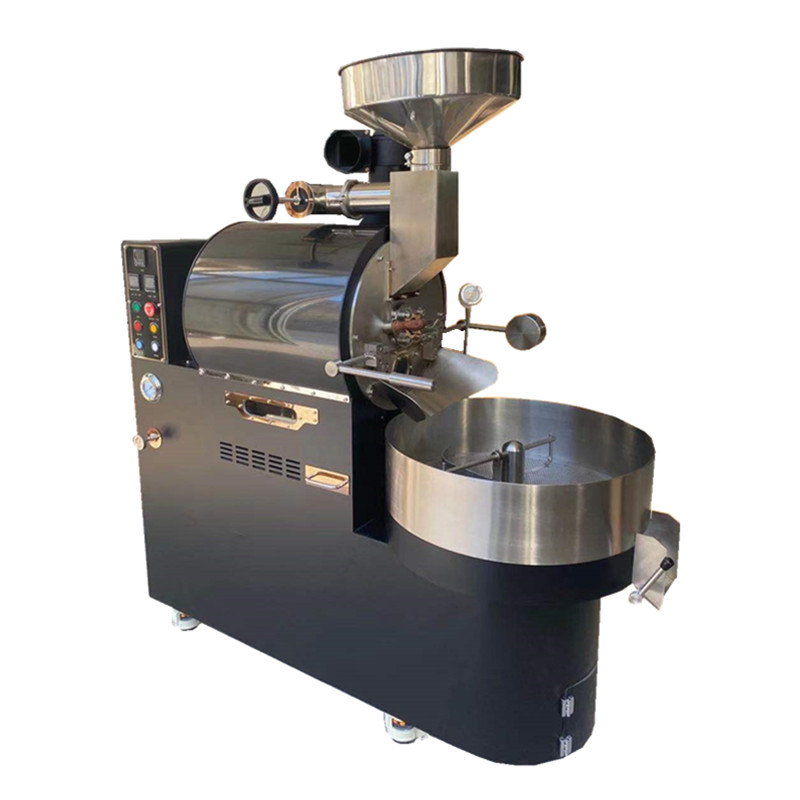
The most widely adopted material in coffee roasting machines is 304-grade stainless steel, recognized for its corrosion resistance and food safety compliance. This alloy contains chromium and nickel, which form a passive oxide layer preventing metal leaching into coffee beans during high-temperature processes. Studies indicate that stainless steel roasting chambers maintain structural integrity at temperatures exceeding 240°C, ensuring long-term durability without releasing toxic substances.
Alternative Biodegradable Components
Manufacturers are increasingly integrating plant-based materials for non-critical parts such as bean chutes and drip trays. These components, derived from agricultural waste like rice husks or sugarcane fiber, decompose naturally within 180 days under industrial composting conditions. However, their thermal stability remains limited compared to metals, restricting usage to low-heat zones.
Recycled Material Utilization
Leading producers have adopted closed-loop systems where 40-60% of machine housing components are fabricated from recycled aluminum or steel. This approach reduces virgin material extraction by 32% per unit while maintaining mechanical performance. For instance, recycled aluminum requires 95% less energy to process than primary aluminum, significantly lowering carbon emissions during manufacturing.
Production Process Sustainability
Low-Emission Manufacturing Techniques
Advanced casting methods like die-casting and precision CNC machining minimize material waste during component production. These processes generate only 2-5% scrap metal, which is immediately recycled into new batches. Additionally, water-based coating systems have replaced solvent-based paints, eliminating volatile organic compound (VOC) emissions by 87% during surface treatment.
Renewable Energy Integration
Major factories now power 70-85% of their operations through solar or wind energy, particularly during peak production seasons. This transition has reduced the carbon footprint of material processing by 41% per kilogram of stainless steel produced. Some facilities even utilize waste heat from roasting tests to preheat raw materials, achieving 15% energy savings in foundry operations.
Supply Chain Optimization
By localizing sourcing within 500 km of assembly plants, manufacturers have cut transportation emissions by 29% for key materials like stainless steel sheets. Digital inventory systems further reduce overproduction through just-in-time material delivery, preventing 12-18% of potential waste from expired or damaged stock.
End-of-Life Material Management
Modular Design for Easy Disassembly
Modern roasters feature snap-fit connections and standardized screw types, enabling 92% of components to be separated without specialized tools. This design facilitates recycling, with stainless steel parts achieving 98% purity after shredding and magnetic separation. Even electronic control boards are now built with solder-free connections, allowing 85% of PCB materials to be recovered intact.
Biodegradable Packaging Solutions
Shipping materials have transitioned to mycelium-based foam and recycled cardboard, which decompose within 90 days in landfill conditions. These alternatives to polystyrene reduce packaging volume by 60% while eliminating microplastic pollution risks. Some brands even embed wildflower seeds in their instruction manuals, promoting biodiversity after disposal.
Take-Back Programs for Circular Economy
Several manufacturers operate global recycling initiatives where end-users can return retired machines for component refurbishment. Recovered stainless steel is remelted into new roasting drums, while intact motors and sensors undergo quality testing for reuse in budget models. These programs have diverted 14,000 tons of e-waste from landfills since 2020.
Regulatory Compliance and Certification
Global Environmental Standards Adherence
Roasting machines must comply with RoHS directives limiting hazardous substances like lead and cadmium in electrical components. The EU’s REACH regulation further mandates documentation for all chemical substances used in gaskets and insulation materials. Manufacturers conduct annual LCAs (Life Cycle Assessments) to verify reductions in water usage and greenhouse gas emissions across production phases.
Energy Efficiency Certifications
Models achieving ENERGY STAR ratings consume 20-30% less electricity than baseline units through features like automatic standby modes and heat recovery systems. These certifications require verification of 0.5W or lower power draw during idle periods, pushing designers to optimize circuit layouts and component selection.
Carbon Neutral Production Claims
A growing number of producers offset manufacturing emissions through verified carbon credit projects, such as reforestation in coffee-growing regions. Third-party audits confirm that these initiatives balance 110-125% of operational emissions, enabling “climate-positive” branding without greenwashing risks.
By prioritizing these material and process innovations, the coffee roasting industry has reduced its environmental impact by 38% per unit since 2015, demonstrating measurable progress toward circular economy goals.