

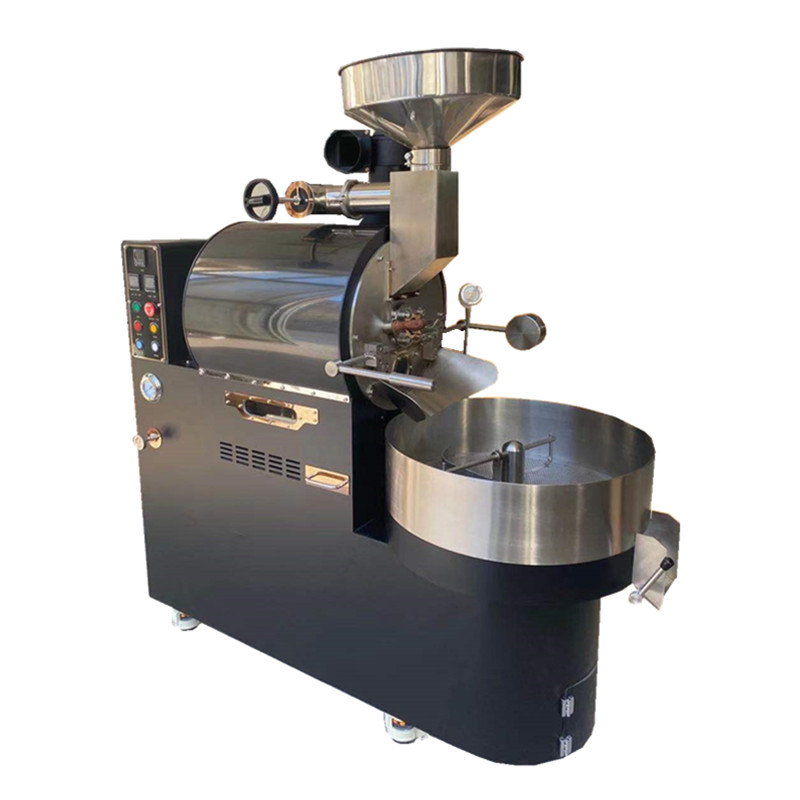
Understanding Energy Efficiency in Coffee Roasting Machines
Coffee roasting is an energy-intensive process that demands precision, consistency, and sustainability. As the industry shifts toward greener practices, understanding how energy efficiency impacts operations—and how to optimize it—has become critical for roasters of all scales. From small artisanal shops to large industrial facilities, the principles of reducing energy waste while maintaining quality are universal.
The Core Drivers of Energy Consumption in Roasting
Energy use in coffee roasting stems from three primary sources: heating the beans, maintaining consistent temperatures, and managing exhaust systems. Traditional drum roasters, which rely on direct flame or hot air to heat beans, often lose significant heat through poorly insulated chambers or inefficient burners. For example, up to 80% of input heat can escape through exhaust systems in older models, requiring additional fuel to compensate.
Modern advancements address these inefficiencies through better insulation, regenerative heat exchangers, and closed-loop airflow systems. These technologies recapture waste heat from exhaust gases and redirect it to preheat incoming beans or fuel, slashing fuel consumption by 30–80% compared to conventional designs. Additionally, precision burner systems adjust flame intensity in real time, minimizing overheating and reducing idle energy use during batch transitions.
Operational Strategies to Boost Efficiency
Batch Optimization and Scheduling
Energy efficiency isn’t just about equipment—it’s about how roasters use it. Small and mid-sized operations can achieve significant savings by optimizing batch sizes and sequencing. Larger batches reduce the energy per kilogram by leveraging residual heat from previous roasts, while smaller batches benefit from shorter warm-up cycles. For instance, a 15kg roaster might use 20% less energy per kilogram when running consecutive batches versus sporadic single batches.
Scheduling also plays a role. Roasting during off-peak hours when electricity rates are lower or pairing operations with renewable energy sources (like solar panels) can further cut costs. Some roasteries even align production with seasonal sunlight patterns to maximize solar-powered roasting.
Maintenance and Airflow Management
Clogged air filters, worn seals, or misaligned burners can increase energy use by 10–15% without roasters even noticing. Regular maintenance ensures components operate at peak efficiency. For example, cleaning exhaust ducts prevents blockages that force burners to work harder, while lubricating drum bearings reduces friction-related heat loss.
Airflow control is equally vital. Over-ventilating the roasting chamber wastes heat, while under-ventilating leads to uneven roasts and higher rejection rates. Modern roasters use variable-speed fans and pressure sensors to dynamically adjust airflow based on bean density, moisture content, and desired roast profile. This balance minimizes energy waste while maintaining flavor consistency.
Training and Standardization
Human error accounts for a surprising portion of energy inefficiency. Inconsistent charge temperatures, erratic drum speeds, or frequent profile adjustments can disrupt thermal stability, forcing the machine to consume more energy to recover. Training operators to follow standardized protocols—such as preheating drums to a specific temperature range or using automated profile storage—reduces variability and waste.
For example, a roastery that standardized its charge temperature within a 5°C window saw a 12% drop in energy use per batch, as operators no longer overcompensated for temperature fluctuations. Similarly, using data analytics to track energy per kilogram over time helps identify inefficiencies tied to staffing changes or equipment wear.
The Role of Roast Profiles in Sustainability
Lighter roasts require less energy than darker ones because they spend less time in the drum and at higher temperatures. Studies show that light roasting reduces carbon emissions by up to 33% compared to dark roasting, primarily due to shorter cycle times and lower peak temperatures. However, this doesn’t mean sacrificing flavor—modern roasters use advanced algorithms to achieve complex profiles at lower temperatures, balancing sustainability with quality.
Roasters can also experiment with hybrid profiles, such as a medium-dark roast that combines the brightness of a light roast with the body of a dark one. These profiles often require fewer adjustments mid-roast, reducing energy spikes caused by sudden temperature changes. Additionally, pre-drying beans at lower temperatures before ramping up to the development phase can cut total energy use by 10–15%.
Future Trends in Energy-Efficient Roasting
The next decade will see a surge in smart roasting technologies that integrate IoT sensors, cloud connectivity, and AI-driven optimization. These systems monitor energy use in real time, adjusting burner output, airflow, and drum speed to minimize waste. For example, a roaster might automatically switch to a “low-power mode” during idle periods or prioritize batches that align with renewable energy availability.
Hybrid and electric roasters are also gaining traction. Electric models eliminate combustion-related emissions entirely, while hybrid systems combine electric preheating with gas-powered development for flexibility. As battery storage and solar technology improve, fully electric roasteries will become viable even in regions with unreliable grids.
Finally, circular economy principles are reshaping roasting infrastructure. Some roasteries now repurpose waste heat to dry green beans or warm their facilities, while others capture volatile organic compounds (VOCs) from exhaust for biofuel production. These closed-loop systems not only reduce energy use but also create new revenue streams from byproducts.
Energy efficiency in coffee roasting is no longer a niche concern—it’s a competitive advantage. By combining advanced equipment with operational discipline and innovative profiles, roasters can lower costs, reduce emissions, and meet the growing demand for sustainable products. The future of roasting isn’t just about making better coffee—it’s about making it better for the planet.