

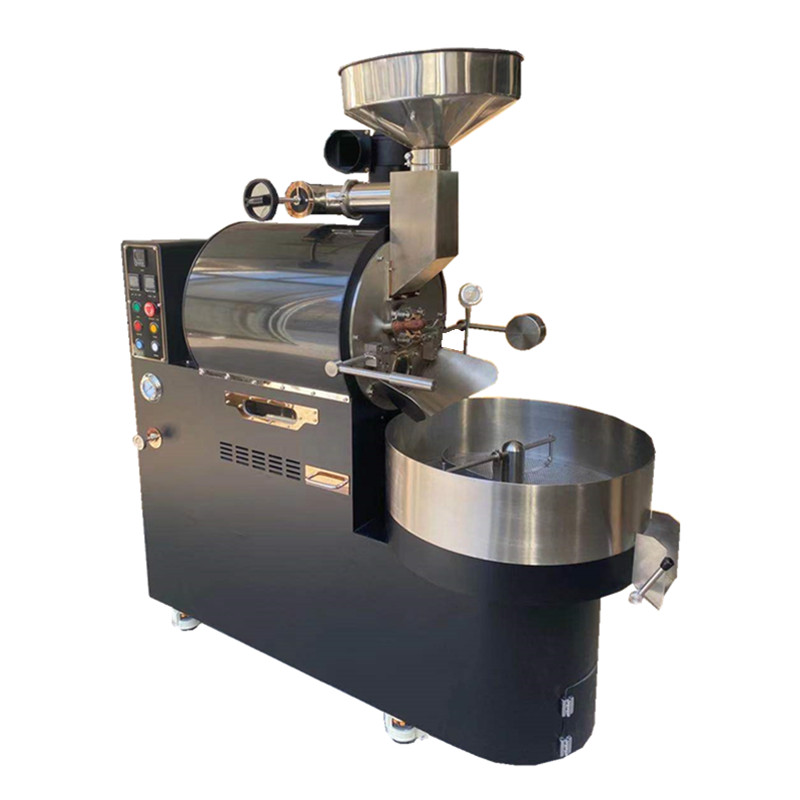
Enhancing User Experience: The Importance of Operational Convenience in Coffee Roasting Machines
For both professional roasters and home enthusiasts, the ease of operating a coffee roasting machine significantly impacts workflow efficiency and overall satisfaction. Below, explore how intuitive design elements and practical features simplify the roasting process without compromising precision.
User-Friendly Interfaces for Intuitive Control
Modern coffee roasters prioritize interfaces that minimize learning curves, allowing users to focus on achieving perfect roasts rather than mastering complex controls.
Clear, Backlit Displays for Low-Light Conditions
Many roasters feature high-contrast, backlit displays that remain readable even in dimly lit environments, such as early morning roasting sessions or cozy home kitchens. These displays often show critical metrics like temperature, roast time, and fan speed in large, easy-to-read fonts. Some models include color-coded indicators to highlight when the machine is heating, cooling, or ready for the next batch.
One-Touch Presets for Common Roast Profiles
To streamline operations, some machines offer pre-programmed settings for popular roast levels, such as light, medium, or dark. Users can select a profile with a single button press, and the machine automatically adjusts temperature and airflow to match the desired outcome. This feature is particularly useful for beginners or busy professionals who need consistent results without manual calibration.
Customizable Shortcuts for Advanced Users
For those who prefer more control, advanced roasters allow users to create and save custom profiles. These shortcuts store specific temperature curves, cooling times, and airflow patterns, enabling quick recall for frequently used roast styles. This flexibility caters to both novices and experienced roasters who want to experiment with unique flavor profiles.
Ergonomic Design for Comfortable Daily Use
Physical design elements play a crucial role in reducing fatigue and improving efficiency during long roasting sessions.
Lightweight, Heat-Resistant Handles for Safe Handling
Roasters often generate significant heat, making it essential to incorporate handles that stay cool to the touch. Many models use materials like silicone or reinforced plastic with heat-dissipating properties, ensuring users can open lids, adjust drums, or remove chaff trays without risking burns. Additionally, ergonomic handle shapes reduce strain on hands and wrists during repetitive tasks.
Adjustable Height and Tilt for Accessibility
Some roasters feature stands or platforms with adjustable height settings, allowing users to position the machine at a comfortable working level. This is especially beneficial for individuals with varying heights or those who roast while seated. Tilt mechanisms on control panels or viewing windows further enhance accessibility, ensuring all components are within easy reach without unnecessary stretching or bending.
Non-Slip Feet for Stability on Countertops
To prevent accidental movement during operation, roasters are often equipped with rubberized or suction-cup feet. These provide a firm grip on smooth surfaces, reducing the risk of the machine sliding or tipping over, especially when opening lids or adjusting internal components. Stability is particularly important in busy environments where multiple tasks are performed simultaneously.
Practical Features for Streamlined Maintenance
Regular upkeep is essential for maintaining performance, and machines designed with convenience in mind make this process quick and hassless.
Removable Parts for Easy Cleaning
Components like drums, chaff collectors, and air filters should be detachable without tools, allowing users to clean them thoroughly after each roast. Some models include quick-release mechanisms or magnetic attachments that simplify removal and reassembly. Smooth, non-porous surfaces inside the roasting chamber prevent coffee oils from adhering, reducing the need for aggressive scrubbing.
Self-Cleaning Cycles for Time Efficiency
Advanced roasters may offer automated cleaning cycles that use high-temperature air or steam to burn off residual oils and chaff. These cycles run after the machine cools down, requiring minimal user intervention. Self-cleaning features are particularly valuable in commercial settings where multiple roasts occur daily, as they minimize downtime and ensure consistent hygiene.
Dust-Resistant Seals to Protect Internal Components
To prevent chaff or dust from infiltrating sensitive areas like motors or control panels, many roasters incorporate sealed joints and gaskets. These barriers not only extend the machine’s lifespan but also reduce the frequency of deep cleaning sessions. Some models even include replaceable air filters that trap fine particles, further protecting internal mechanisms.
Connectivity and Smart Features for Modern Workflows
Integration with digital tools enhances convenience, especially for professionals managing multiple roasters or home users seeking precision.
Mobile App Integration for Remote Monitoring
Some roasters connect to smartphones or tablets via Bluetooth or Wi-Fi, allowing users to monitor temperature, adjust settings, or start roasts from another room. This feature is useful for multitasking in a cafe or ensuring a roast finishes at the perfect time while away from the kitchen. Apps may also provide roast logs, recipe sharing, and troubleshooting guides.
USB Ports for Data Logging and Firmware Updates
For those who track roasting data meticulously, USB ports enable the export of temperature curves, roast times, and other metrics to external devices. This data can be analyzed to refine techniques or shared with colleagues. Additionally, firmware updates via USB ensure the machine stays current with the latest features and improvements without requiring professional servicing.
Voice Control Compatibility for Hands-Free Operation
Innovative roasters may support voice assistants like Alexa or Google Assistant, allowing users to issue commands without touching the machine. This hands-free approach is ideal for busy environments where users need to focus on other tasks or for individuals with mobility challenges. Voice control can adjust temperature, start roasts, or provide status updates, enhancing accessibility and efficiency.
By prioritizing intuitive interfaces, ergonomic design, practical maintenance features, and smart connectivity, coffee roasting machines can deliver a seamless experience that empowers users to achieve consistent, high-quality results with minimal effort.