

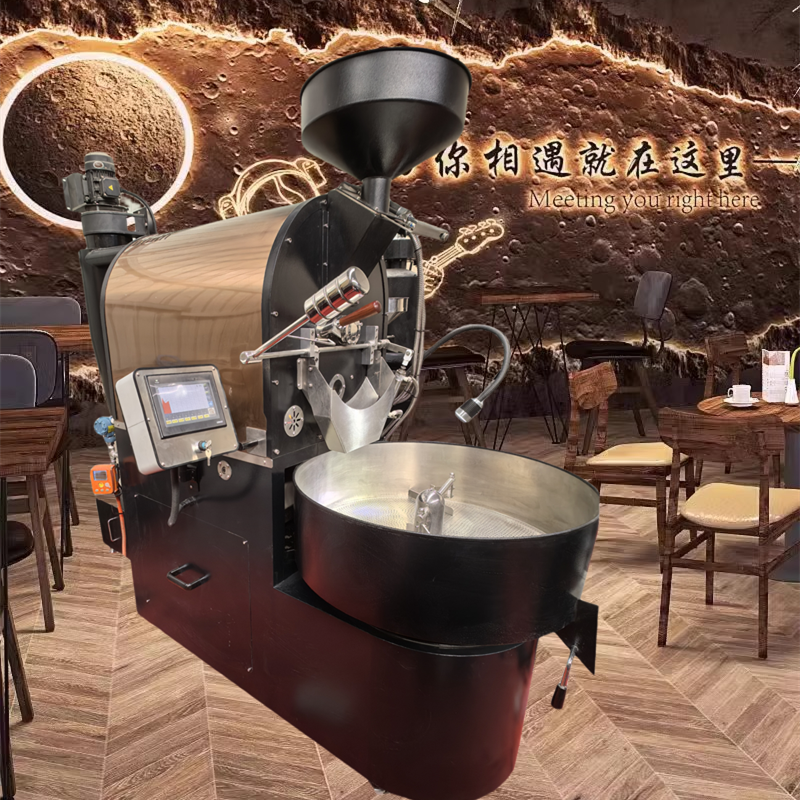
Coffee Roaster Chute Design: Enhancing Efficiency and Bean Handling
The design of a coffee roaster’s chute—the entry point for green beans—plays a pivotal role in ensuring consistent roasting results, minimizing waste, and streamlining workflow. From home setups to commercial operations, understanding how chute dimensions, shape, and materials impact performance can help roasters optimize their equipment for specific needs.
Chute Dimensions and Bean Flow Dynamics
The width and angle of a chute directly influence how beans move from storage to the roasting drum. A narrow chute may restrict bean flow, causing uneven feeding or clogs, especially with irregularly shaped or larger beans. Conversely, an overly wide chute can lead to excessive airflow, which might dry out beans prematurely or create inconsistent heat distribution.
For example, a gently sloped chute (around 30–45 degrees) allows beans to slide smoothly without requiring excessive force, reducing the risk of damage. In commercial roasters, adjustable chutes with variable angles accommodate different bean sizes and densities, ensuring reliable feeding during high-volume production. Home roasters might prioritize compact chutes that save space while maintaining adequate flow for small batches.
Impact of Chute Shape on Bean Handling
Curved chutes can guide beans gently into the drum, minimizing turbulence and preserving their structural integrity. This is particularly important for delicate beans, such as those from high-altitude regions, which are prone to chipping or cracking. Straight chutes, while simpler, may work better for dense beans like Robusta, which require less finesse during transfer.
Some designs incorporate tapered sections to accelerate or decelerate bean movement, helping roasters control the initial heat exposure. For instance, a narrowing chute can concentrate beans into a single stream, ensuring uniform contact with hot air in the drum’s entry zone.
Material Selection for Durability and Heat Management
The materials used in chute construction affect both longevity and thermal performance. Stainless steel is a popular choice due to its resistance to corrosion, heat, and wear, making it ideal for high-temperature environments. It also conducts heat evenly, preventing hot spots that could scorch beans during transfer.
Food-grade plastics or composites are sometimes used for home roasters, offering lightweight and cost-effective alternatives. However, these materials may degrade under prolonged heat exposure, limiting their suitability for commercial use. Insulated chutes, lined with materials like ceramic or silicone, can reduce heat loss, ensuring beans enter the drum at the optimal temperature for consistent roasting.
Addressing Chaff and Debris Accumulation
Chutes must also account for chaff—the papery skin shed by beans during roasting—which can accumulate and obstruct flow. Some designs include removable screens or brushes to capture chaff before it enters the drum, reducing maintenance needs. Others use smooth, non-stick surfaces to minimize adhesion, allowing chaff to fall away naturally during roasting.
In commercial settings, chutes with integrated cleaning mechanisms, such as automated brushes or air jets, help maintain consistent performance during long production runs. Home roasters might prefer detachable chutes for easy manual cleaning between batches.
Ergonomics and User-Friendly Features
The physical design of the chute affects how easily roasters can load beans and monitor the process. A chute positioned at waist height reduces strain during loading, especially for home users handling smaller batches. For commercial roasters, elevated chutes with hoppers or conveyor systems enable hands-free operation, improving efficiency during high-volume roasting.
Transparent sections or windows in the chute allow roasters to observe bean flow, helping them detect jams or uneven feeding early. Some designs incorporate adjustable gates or flow controllers, enabling precise control over batch size and feeding rate. This is particularly useful for experimental roasting, where small adjustments can significantly impact flavor development.
Accessibility for Maintenance and Repairs
Chutes should be designed for easy disassembly to facilitate cleaning and repairs. Quick-release clamps or modular components allow roasters to remove and inspect the chute without specialized tools, reducing downtime. In commercial environments, this accessibility is critical for maintaining hygiene standards and preventing cross-contamination between batches.
Home roasters might prioritize chutes with fewer moving parts to minimize the risk of breakage, while commercial users may accept more complex designs in exchange for enhanced functionality.
By carefully considering dimensions, materials, and user-centric features, roasters can select or customize chute designs that align with their operational scale and quality goals. Whether optimizing for delicate specialty beans or high-throughput blends, the right chute design ensures smooth bean handling and consistent roasting results.