

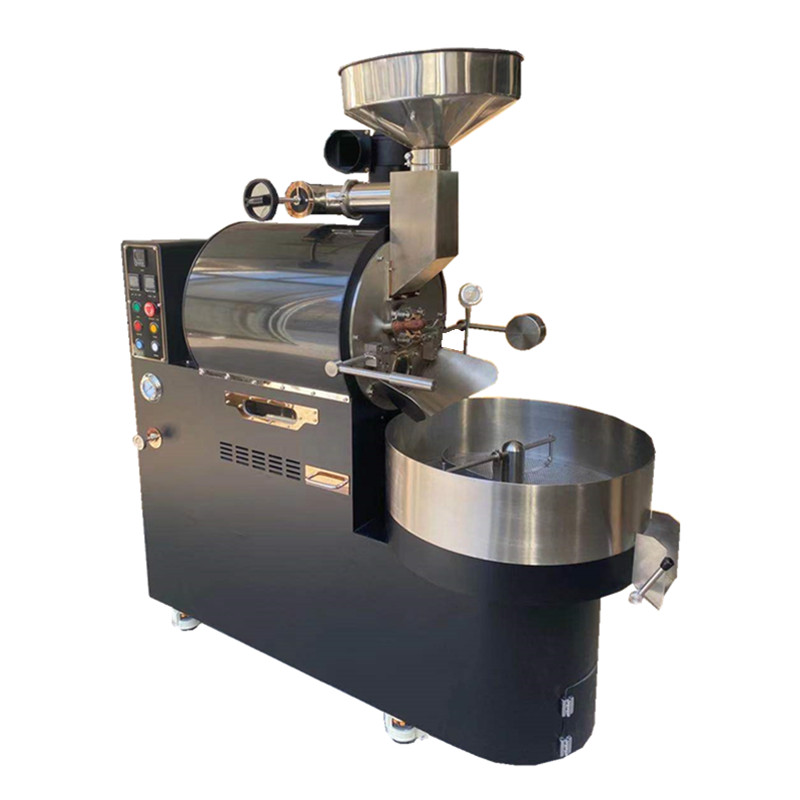
The Art of Caramelization in Coffee Roasting: Elevating Flavor Through Precision
Caramelization is a transformative stage in coffee roasting, where sugars within the beans break down into complex compounds that define sweetness, richness, and depth. Unlike the Maillard reaction, which involves amino acids and sugars, caramelization focuses solely on sugar molecules, creating caramel, toffee, and nutty notes. This phase occurs after the Maillard reaction, typically when bean temperatures surpass 320–350°F (160–177°C), and demands careful heat management to avoid bitterness. Below, we explore its mechanisms, sensory impacts, and techniques for achieving flawless caramelization.
Temperature Thresholds and Heat Control During Caramelization
Caramelization begins as residual sugars in the beans—primarily sucrose, fructose, and glucose—start to decompose under intense heat. The process accelerates as temperatures rise, with 330°F (165°C) marking the sweet spot for balanced sweetness and complexity. Below this threshold, sugars may not fully break down, resulting in a flat, overly acidic profile. Above it, the risk of burning increases, introducing harsh, ashy flavors.
To navigate this critical window, maintain a steady rate of rise (RoR) of 2–4°F per minute during caramelization. This gradual increase ensures sugars caramelize evenly without overwhelming the beans’ structure. For example, if the RoR spikes to 6°F per minute, reduce heat input by 10–15% to stabilize temperatures. Use a thermal probe or infrared thermometer to monitor bean surface and internal temperatures, adjusting airflow or drum speed as needed to prevent hot spots.
As caramelization progresses, beans transition from a light brown to a deep amber hue, indicating advanced sugar breakdown. This color shift is accompanied by a glossy sheen from oils migrating to the surface, a visual cue that the beans are nearing the end of the roasting process. Inspect beans every 30 seconds during this stage, looking for uniform color and texture to avoid uneven roasting.
Sensory Markers: Aroma, Flavor, and Texture Development
Caramelization’s sensory impact is profound, shaping coffee’s sweetness, mouthfeel, and aftertaste. Early in the phase, beans emit a warm, buttery aroma, reminiscent of freshly baked cookies or caramel candies. This scent stems from the formation of diacetyl and other volatile compounds linked to dairy-like sweetness. As temperatures climb, the aroma evolves into toasted marshmallow or burnt sugar, signaling deeper caramelization.
Flavor precursors also emerge during this stage. Sucrose breaks down into caramelic acids, which contribute to a coffee’s perceived sweetness, while fructose and glucose create honey-like or syrupy notes. For instance, a coffee roasted to a medium-dark profile may exhibit a balance of caramel sweetness and mild bitterness, whereas a darker roast might emphasize dark chocolate or molasses tones. To isolate these flavors, cup samples at different caramelization stages, noting how aroma translates to taste.
Texture plays a role too. Caramelization increases the beans’ oil content, resulting in a fuller body and creamier mouthfeel in the brewed coffee. This is particularly noticeable in espresso, where caramelized sugars create a velvety texture that lingers on the palate. Adjust roast levels to manipulate texture—a lighter caramelization stage yields a lighter body, while a darker stage enhances richness.
Environmental Influences: Airflow, Batch Dynamics, and Bean Characteristics
Caramelization’s efficiency hinges on environmental conditions, which roasters must tailor to each batch’s unique needs. Airflow is critical—too much cools beans prematurely, slowing sugar breakdown, while too little traps heat, risking burning. During caramelization, aim for moderate-to-high airflow (60–80% of your roaster’s capacity), adjusting based on bean movement. If beans tumble too vigorously, reduce airflow to retain heat; if they clump or stick, increase it to promote even roasting.
Batch size also affects caramelization. Larger batches retain heat more effectively, potentially accelerating the reaction, while smaller batches require higher heat input to maintain momentum. For example, a 300g batch in a 1kg roaster may need 10–15% more heat than a full batch to achieve the same caramelization intensity. Use a thermal probe to monitor temperatures across different batch sizes, ensuring consistency.
Bean density and sugar content introduce further variability. High-density beans (e.g., those grown at high altitudes) resist heat penetration, delaying caramelization, while low-density beans (e.g., from lower altitudes) react faster. Similarly, beans with higher natural sugar content (e.g., naturals or honey-processed coffees) caramelize more readily than washed coffees. Pre-condition beans by storing them at 60–70% humidity to minimize these discrepancies, promoting uniform sugar breakdown.
Practical Strategies for Perfecting Caramelization
- Leverage Thermal Mapping:
Use a thermal camera or infrared thermometer to identify temperature variations across the drum. Hot spots can cause uneven caramelization, leading to a mix of burnt and underdeveloped beans. Adjust airflow or drum speed to redistribute heat, ensuring all beans progress through caramelization uniformly. - Experiment with Roast Profiles:
Try extended caramelization by maintaining temperatures around 330°F for 1–2 minutes longer than usual. This technique deepens sweetness and complexity, ideal for coffees with naturally bright acidity. Conversely, a shorter caramelization phase (e.g., reducing time by 30 seconds) preserves acidity while adding a hint of caramel, suitable for fruit-forward profiles. - Isolate Variables for Testing:
To understand how airflow affects caramelization, roast two identical batches with differing airflow settings (e.g., 70% vs. 90%). Cup the results blind, noting differences in sweetness, bitterness, and mouthfeel. Repeat with batch size or bean density to build a comprehensive understanding of each factor’s impact.
By mastering temperature control, sensory cues, and environmental variables, roasters can harness caramelization to craft coffees that balance sweetness, richness, and complexity. Whether brewing a delicate pour-over or a bold espresso, precise caramelization ensures every cup delivers a harmonious interplay of flavors and textures.