

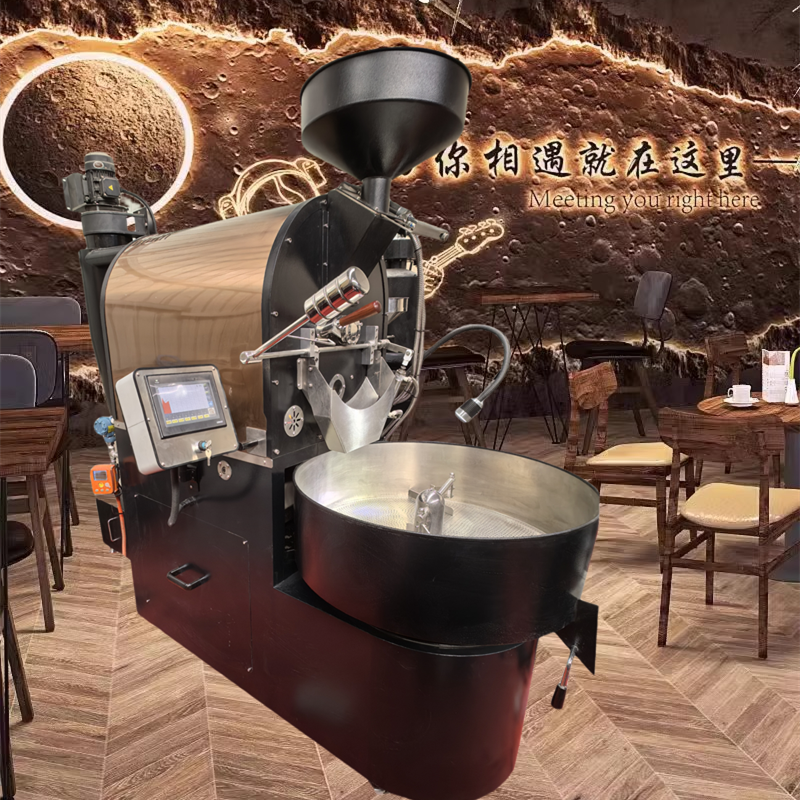
Coffee Roaster Design: Balancing Aesthetics and Functionality
The exterior design of a coffee roaster plays a dual role: it must be visually appealing while ensuring practicality for daily use. From materials to ergonomic details, every element contributes to the machine’s overall performance and user experience. Below, explore how thoughtful design choices enhance both form and function.
Materials and Finishes That Define Durability and Style
The choice of materials impacts not only the roaster’s longevity but also its visual appeal.
Stainless Steel for a Modern, Professional Look
Stainless steel is a popular choice for its sleek, industrial aesthetic. Its reflective surface adds a touch of sophistication, making it suitable for cafes or home setups aiming for a minimalist vibe. Beyond appearance, stainless steel resists corrosion and withstands high temperatures, ensuring the machine remains functional even after years of use.
Matte Finishes for Understated Elegance
For those preferring a less reflective surface, matte finishes offer a softer, more subdued look. These finishes reduce glare and fingerprints, maintaining a clean appearance with minimal effort. Matte coatings also provide a tactile grip, making it easier to handle components like lids or handles during operation.
Textured Surfaces for Enhanced Grip and Safety
Some roasters incorporate textured panels or non-slip coatings on frequently touched areas, such as control knobs or door handles. This not only improves ergonomics but also adds a tactile dimension to the design, preventing accidental slips during busy roasting sessions.
Ergonomic Design for Ease of Use and Comfort
A well-designed roaster prioritizes user comfort, reducing strain during long roasting sessions.
Intuitive Control Layouts for Seamless Operation
Controls should be logically placed and easy to reach. For example, placing temperature dials or start buttons within arm’s reach ensures operators can adjust settings without leaning or stretching. Clear labeling and tactile feedback, such as clicky buttons or raised indicators, further enhance usability.
Adjustable Height and Viewing Windows for Monitoring
Roasters with adjustable stands or platforms allow users to customize the machine’s height, accommodating different countertops or operator preferences. Additionally, large, clear viewing windows let users monitor the roast progress without opening the machine, minimizing heat loss and ensuring consistent results.
Lightweight yet Sturdy Construction for Portability
For those who need to move their roaster frequently, lightweight materials like aluminum or reinforced plastics can reduce strain without sacrificing durability. Reinforced edges or rubberized feet prevent damage during transport and provide stability during operation.
Aesthetic Integration with Different Environments
A roaster’s design should complement its surroundings, whether in a bustling cafe or a cozy home kitchen.
Compact Designs for Small Spaces
In compact environments, roasters with a smaller footprint are ideal. Vertical designs or stackable components maximize space efficiency without compromising functionality. For example, a roaster with a built-in chaff collector reduces the need for additional storage or counter space.
Customizable Color Options for Personalization
Some manufacturers offer roasters in multiple color finishes, allowing users to match their machine to their decor. Neutral tones like black, white, or gray blend seamlessly into most settings, while bold colors like red or copper can serve as a focal point in a minimalist kitchen.
Vintage-Inspired Elements for a Nostalgic Touch
For those seeking a retro aesthetic, roasters with brass accents, analog gauges, or exposed gears evoke a sense of nostalgia. These elements not only add visual interest but also pay homage to traditional roasting methods, appealing to purists and design enthusiasts alike.
Practical Design Features for Daily Maintenance
A roaster’s design should simplify cleaning and upkeep, ensuring it remains in top condition with minimal effort.
Removable Parts for Easy Cleaning
Components like chaff trays, drums, or air filters should be easily detachable for thorough cleaning. Smooth, rounded edges prevent residue buildup, while non-stick coatings on internal surfaces reduce the need for scrubbing.
Dust-Resistant Seals and Enclosures
Sealed joints and gaskets prevent dust or chaff from entering sensitive areas like motors or control panels. This not only extends the machine’s lifespan but also reduces the frequency of deep cleaning sessions.
Tool-Free Access for Quick Adjustments
Some roasters allow users to adjust settings like drum speed or airflow without tools, saving time during setup or calibration. Magnetic panels or snap-on covers provide easy access to internal components while maintaining a sleek exterior.
By focusing on materials, ergonomics, aesthetic integration, and practical features, coffee roaster designs can achieve a harmonious balance between style and functionality. Whether for professional use or home brewing, these elements ensure the machine not only performs well but also enhances the overall roasting experience.