

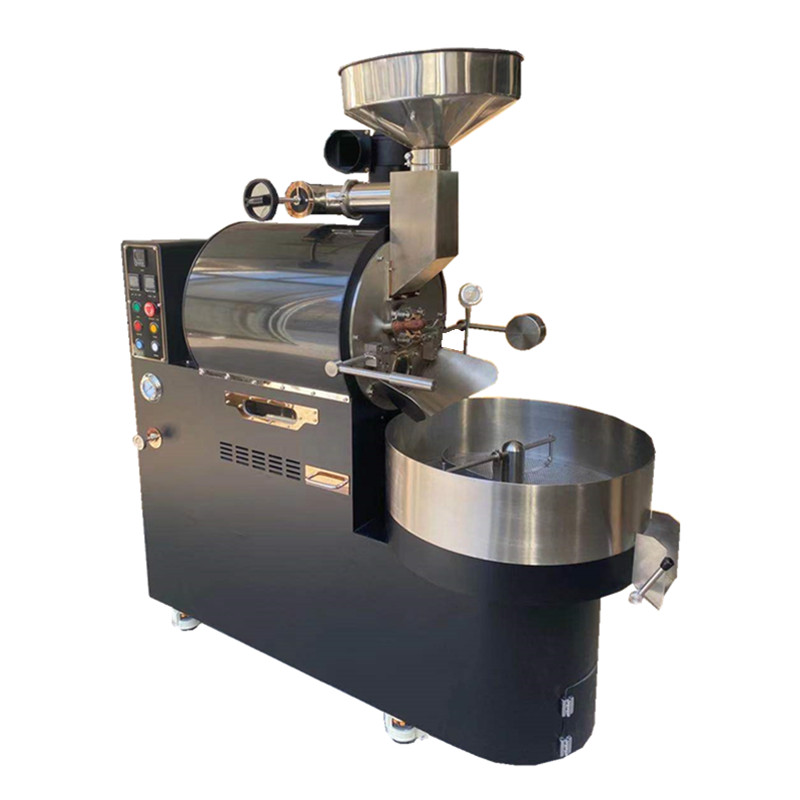
Essential Supporting Equipment for Coffee Roasters: Elevating Your Roasting Setup
Pre – Roasting Preparation Equipment
Before the coffee beans even enter the roaster, there’s a range of equipment that helps ensure they’re in the best possible condition for roasting. This initial stage sets the foundation for a high – quality roast.
Green Bean Storage Containers
Proper storage of green coffee beans is crucial to maintain their freshness and quality before roasting. Green beans are susceptible to environmental factors like moisture, oxygen, and light, which can cause them to deteriorate over time. Sturdy, airtight containers are ideal for this purpose. These containers can be made of materials such as food – grade plastic or glass. They should have a tight – fitting lid to prevent air from entering and oxidizing the beans. Additionally, it’s advisable to store the containers in a cool, dark place, away from direct sunlight and heat sources. This helps preserve the natural flavors and aromas of the green beans until they’re ready to be roasted.
Bean Sorting Screens
Green coffee beans can vary in size, and having a consistent bean size is important for an even roast. Bean sorting screens are used to separate the beans based on their size. These screens have different mesh sizes, allowing smaller beans to fall through while larger ones remain on top. By sorting the beans before roasting, you can ensure that all the beans in a batch are of similar size, which promotes uniform heat distribution during the roasting process. This results in a more consistent roast, with all the beans developing the desired flavors and colors at the same rate.
Weighing Scales
Accurate measurement of green coffee beans is essential for controlling the batch size and achieving consistent roast results. Weighing scales, whether digital or analog, are used to measure the exact amount of beans needed for each roast. Digital scales are often preferred due to their high precision, typically measuring down to the gram. This level of accuracy allows roasters to replicate successful roast profiles and maintain quality control. Before starting the roasting process, the green beans are placed on the scale, and the desired weight is set. This ensures that each batch is roasted with the same amount of beans, leading to more predictable and reliable outcomes.
During – Roasting Support Equipment
During the actual roasting process, there are several pieces of equipment that assist in monitoring and controlling the roast to achieve the perfect flavor profile.
Exhaust Systems
An efficient exhaust system is vital for a coffee roaster as it helps remove the smoke, chaff, and hot air generated during the roasting process. The exhaust system typically consists of a series of ducts and a fan. The fan creates negative pressure, drawing the hot air and by – products out of the roasting chamber. This not only helps maintain a clean and safe roasting environment but also plays a role in controlling the roast. By adjusting the speed of the fan, roasters can influence the airflow inside the roaster, which in turn affects the heat transfer to the beans. A well – designed exhaust system ensures that the roasting process is free from unwanted odors and contaminants, resulting in a cleaner – tasting coffee.
Airflow Control Devices
Airflow is a critical factor in coffee roasting as it affects the rate of heat transfer and the development of flavors. Airflow control devices, such as dampers or variable – speed fans, are used to regulate the amount of air entering the roasting chamber. During the initial stages of the roast, a lower airflow may be preferred to allow the beans to dry slowly and evenly. As the roast progresses, increasing the airflow can help accelerate the development of flavors and prevent the beans from becoming too dark. By having precise control over the airflow, roasters can fine – tune the roast profile to achieve the desired balance of acidity, sweetness, and body in the final coffee.
Data Logging Systems
In modern coffee roasting, data logging systems are becoming increasingly popular. These systems are used to record various parameters during the roasting process, such as temperature, time, and airflow. The data is typically stored in a digital format, allowing roasters to analyze and review the roast profiles later. By studying the recorded data, roasters can identify trends, make adjustments to improve the roast quality, and replicate successful roasts in the future. Some data logging systems also offer real – time monitoring capabilities, enabling roasters to make immediate adjustments during the roast based on the live data.
Post – Roasting Handling Equipment
After the coffee beans have been roasted, there’s a set of equipment needed to cool, store, and package the beans to maintain their freshness and quality.
Cooling Trays
Once the roasting process is complete, the hot coffee beans need to be cooled quickly to stop the roasting and preserve the flavors. Cooling trays are designed for this purpose. They are usually made of a material with good heat – conducting properties, such as metal. The roasted beans are spread out evenly on the cooling tray, and air is circulated around them, either naturally or with the help of a fan. This rapid cooling process helps prevent the beans from over – roasting and developing a burnt taste. It also helps lock in the aromatic compounds, ensuring that the coffee has a rich and complex flavor when brewed.
Degassing Containers
After roasting, coffee beans release carbon dioxide gas, a process known as degassing. Degassing containers are used to store the roasted beans during this period. These containers are typically semi – permeable, allowing the carbon dioxide to escape while preventing oxygen from entering. Oxygen can cause the beans to oxidize, leading to a loss of flavor and freshness. By using degassing containers, roasters can control the degassing process and ensure that the beans are ready for packaging and consumption at the optimal time. The length of the degassing period can vary depending on the type of coffee and the roast level, but generally, it takes a few days to a week for the beans to degas properly.
Packaging Machines
Once the coffee beans have degassed, they need to be packaged to protect them from environmental factors and maintain their freshness. Packaging machines are used to seal the beans in airtight bags or containers. These machines can vary in complexity, from simple hand – operated sealers to fully automated packaging lines. The packaging material should be of high quality, providing a barrier against oxygen, moisture, and light. Some packaging machines also have the option to add a one – way valve to the bags, which allows the remaining carbon dioxide to escape while preventing oxygen from entering. This helps extend the shelf life of the coffee and ensures that it retains its flavor and aroma for as long as possible.