

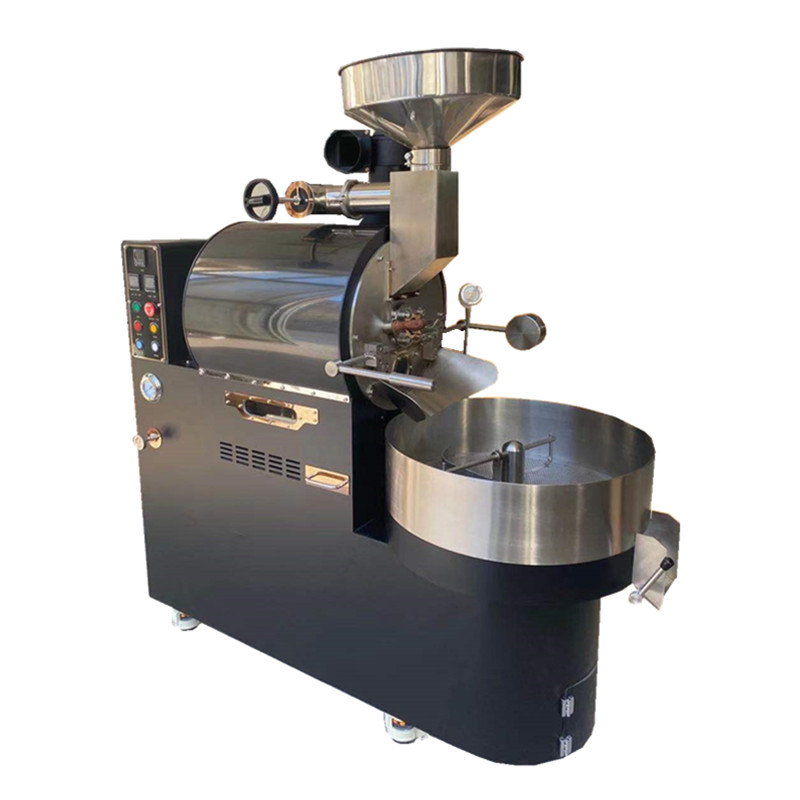
Light Roast Coffee: Machine Settings for Optimal Flavor Development
Achieving a perfect light roast requires precise control over temperature, airflow, and timing. Unlike darker roasts, light roasting preserves the bean’s natural acidity and floral or fruity notes while avoiding caramelization and bitterness. Below, we explore how to configure your roasting machine for this delicate process.
Understanding Light Roast Characteristics
Light roasts stop just after the first crack, typically between 385°F (196°C) and 400°F (204°C). The beans retain a light brown color with no visible oils on the surface. This roast level highlights origin-specific flavors, making it ideal for single-origin coffees and specialty varieties.
Key sensory markers of a successful light roast include:
- Bright, tangy acidity reminiscent of citrus or berries
- Pronounced floral or herbal aromas
- Light body with a clean finish
- Minimal bitterness or roasted flavors
To achieve these traits, roasters must carefully manage heat application and airflow throughout the process.
Machine Configuration for Light Roasting
Temperature Control Settings
Preheating the Drum
Start by preheating your roasting drum to a lower temperature than you’d use for medium or dark roasts. Aim for 320°F (160°C) to 340°F (171°C). This gradual approach prevents scorching the beans during the initial drying phase.
Initial Charge Temperature
When loading green beans, set your charge temperature between 350°F (177°C) and 360°F (182°C). This allows the beans to absorb heat evenly without rapid surface browning. Monitor the beans closely during the first 2-3 minutes to ensure they don’t develop “tipping”—small dark spots indicating uneven heat distribution.
Rate of Rise (RoR) Management
For light roasts, maintain a steady, moderate RoR of 5-7°F per minute during the drying and Maillard phases. Avoid sharp temperature spikes, which can lead to uneven development. As you approach first crack, reduce the heat input to slow the RoR to 3-4°F per minute. This gentle approach preserves delicate acids and aromatics.
Airflow Adjustment Strategies
Early Stage Airflow
Begin with moderate airflow (around 50-60% of your machine’s maximum capacity) during the drying phase. This helps remove chaff and prevents moisture buildup without cooling the beans too quickly. For beans with high moisture content (e.g., freshly harvested Ethiopian varieties), slightly increase airflow to ensure even drying.
Mid-Roast Airflow Optimization
As the Maillard reaction begins (around 280°F/138°C), adjust airflow to 60-70% of maximum. This promotes uniform heat distribution while allowing the beans to develop complex sugars and acids. If you notice uneven browning, reduce airflow temporarily to concentrate heat on underdeveloped areas.
Post-First Crack Airflow
After first crack, increase airflow to 70-80% to stabilize the roast and prevent overheating. This also helps carry away volatile compounds that could create off-flavors. For particularly delicate beans (e.g., Geisha varietals), maintain high airflow until the end of the roast to lock in bright acidity.
Timing and Development Considerations
Drying Phase Duration
The drying phase accounts for roughly 25-30% of the total roast time. For a 12-minute light roast, this means 3-4 minutes of drying. During this stage, focus on achieving even moisture removal without drying the beans too quickly, which can lead to internal stress and uneven roasting.
If your beans have varying moisture levels (common in natural-processed coffees), extend the drying phase by 1-2 minutes to ensure uniformity. Use a moisture meter to verify that all beans have reached a consistent internal moisture content before proceeding to the Maillard phase.
Maillard Reaction Timing
The Maillard phase typically lasts 4-6 minutes in a light roast, starting around 280°F (138°C) and ending just before first crack. This is where the beans develop their foundational flavor profile, including notes of caramel, nuts, and chocolate. For light roasts, aim for a shorter Maillard phase (4-5 minutes) to emphasize acidity and floral aromas over sweetness.
Monitor the color change closely during this phase. Light roast beans should transition from green to a pale tan color without significant surface browning. If the beans darken too quickly, reduce heat input or increase airflow to slow the reaction.
Development Time After First Crack
Development time—the period between first crack and the end of the roast—is critical for light roasts. Limit this phase to 1-2 minutes to prevent excessive caramelization and bitterness. The goal is to stop the roast just as the beans begin to expand and release steam, preserving their bright acidity and delicate flavors.
Use a trial-and-error approach to fine-tune development time based on your specific beans and machine. For example, a high-altitude Kenyan AA might require 1.5 minutes of development, while a lower-altitude Brazilian Santos might need only 1 minute to achieve the desired profile.