

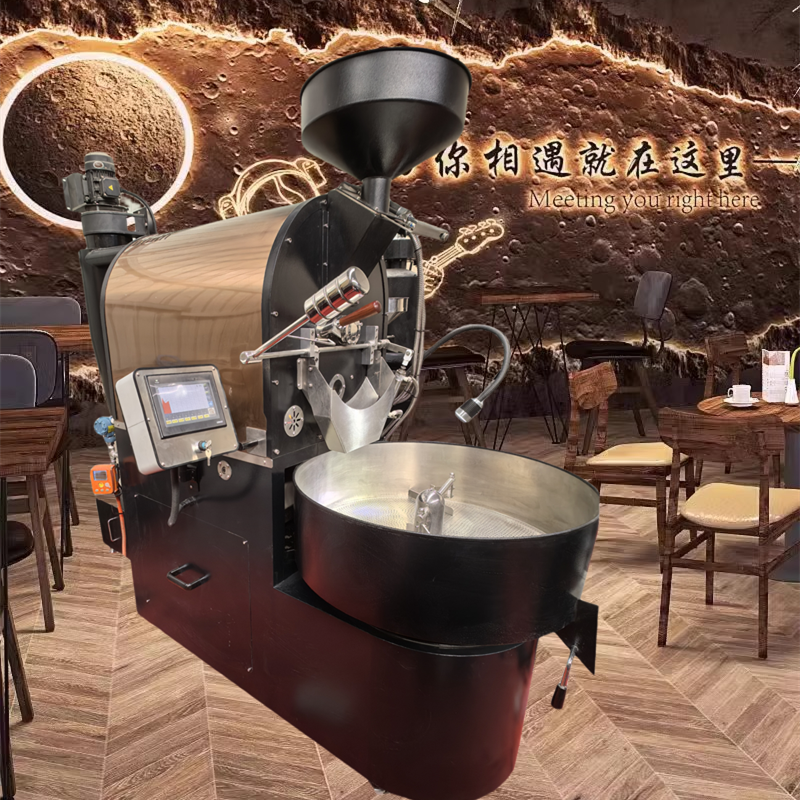
Conducting Coffee Roasting Experiments with Your Machine: A Practical Guide
For coffee enthusiasts eager to explore the art of roasting, experimentation is the cornerstone of discovery. By systematically adjusting variables like temperature, time, and airflow, you can unlock unique flavor profiles and refine your technique. Below are structured approaches to designing and executing meaningful roasting experiments, tailored to your machine’s capabilities.
Designing Your Experiment Framework
Before firing up your roaster, define clear objectives. Are you testing how different preheat temperatures affect acidity? Or comparing the impact of varying development times on sweetness? Start with a single variable to isolate its effects. For example, focus on preheat temperature while keeping batch size, bean origin, and airflow constant.
Selecting Beans for Consistency
Choose beans with similar characteristics—such as processing method (washed vs. natural) or density—to minimize external variables. For instance, if comparing two roast profiles, use the same batch of beans split into separate trials. This ensures observed differences stem from your adjustments, not inherent bean variations.
Documenting Variables
Create a simple log to track parameters like:
- Preheat temperature (measured at the drum’s center)
- Batch size (grams of beans loaded)
- Milestone times (e.g., time to first crack)
- Environmental factors (room temperature, humidity)
This data will help you replicate successful roasts or troubleshoot inconsistencies later.
Experiment 1: Adjusting Preheat Temperature for Flavor Clarity
Preheat temperature sets the foundation for your roast. A lower preheat (e.g., 160°C) may prolong the drying phase, while a higher one (e.g., 190°C) accelerates it, potentially altering flavor development.
Step-by-Step Process
- Preheat your machine to two distinct temperatures: 170°C and 190°C.
- Load the same batch of beans (e.g., 200g) into the drum at each temperature.
- Maintain consistent airflow and drum speed throughout both roasts.
- Note the time taken to reach the first crack in each trial.
Observations to Make
- Color and Aroma: Beans roasted at 170°C may appear lighter with a floral aroma, while those at 190°C could develop a deeper brown hue and caramelized scent.
- Flavor Profile: Taste the roasts side by side. The 170°C batch might highlight bright acidity, whereas the 190°C batch could emphasize body and sweetness.
Experiment 2: Exploring Development Time Post-First Crack
The minutes after the first crack significantly influence flavor complexity. Extending this phase allows Maillard reactions to deepen, potentially enhancing notes of chocolate or nuts. Shortening it may preserve fruity or tea-like qualities.
Step-by-Step Process
- Roast two identical batches to the first crack (around 200°C).
- For Batch A, stop roasting immediately after the first crack ends.
- For Batch B, continue roasting for an additional 45 seconds before cooling.
- Ensure all other variables (preheat temp, airflow) remain unchanged.
Observations to Make
- Bean Appearance: Batch B may show more oil on the surface, indicating deeper caramelization.
- Cupping Notes: Batch A could taste lighter with citrus or berry flavors, while Batch B might offer a richer mouthfeel with hints of toasted almond.
Experiment 3: Fine-Tuning Airflow for Evenness
Airflow regulates heat distribution and moisture removal. Too little airflow can cause uneven roasting (some beans scorch while others remain underdeveloped), while excessive airflow may strip away volatile compounds, dulling flavors.
Step-by-Step Process
- Preheat your machine to 180°C and load 200g of beans.
- For Trial 1, set airflow to low (just enough to keep beans moving).
- For Trial 2, increase airflow to medium (beans tumble vigorously but don’t fly out).
- Roast both batches to the same endpoint (e.g., 2 minutes post-first crack).
Observations to Make
- Roast Uniformity: Check for consistency in bean color. Trial 1 might have patchy beans, while Trial 2 appears more even.
- Aroma Intensity: Trial 2 could emit a stronger, more complex scent due to better heat circulation.
- Flavor Balance: Trial 1 may taste muddled, whereas Trial 2 offers clearer, more distinct notes.
Iterating Based on Results
After each experiment, review your notes to identify patterns. For example, if higher preheat temperatures consistently produce bolder flavors, you might adjust future roasts to start hotter. If uneven airflow causes inconsistency, recalibrate your machine’s settings or modify your tumbling technique.
Remember, roasting is as much art as science. Embrace small failures—they’re stepping stones to mastery. By methodically testing one variable at a time, you’ll gain intuition for how your machine responds, ultimately crafting roasts that reflect your unique preferences.