

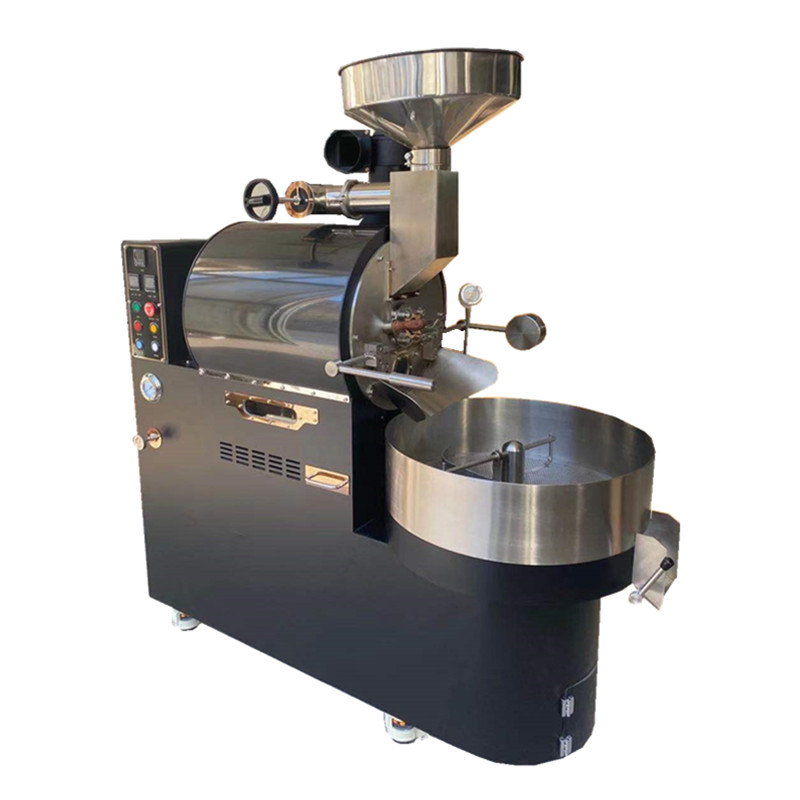
Silent Coffee Roasting Machines: Noise Reduction Strategies and Key Features
Coffee roasting machines are essential for crafting high-quality beans, but excessive noise can disrupt workflows and create an uncomfortable environment. Below, explore practical solutions to minimize noise without compromising performance, along with features to prioritize when selecting a quieter model.
Understanding Noise Sources in Coffee Roasters
Noise in coffee roasting machines typically stems from three primary sources: mechanical vibrations, airflow turbulence, and material design. Identifying these areas allows for targeted improvements.
Mechanical Vibrations and Component Stability
Loose or worn-out parts, such as bearings, motors, or mounting brackets, can generate rattling or grinding sounds. For example:
- A misaligned drum striking its housing may produce loud clanging.
- Worn fan blades wobbling against their casing create sharp impacts.
Regularly inspect and tighten bolts, replace damaged bearings, and ensure all components are securely fastened to reduce vibrations.
Airflow Turbulence and Duct Design
Forced air systems used for cooling or chaff removal often create noise due to turbulent airflow. Common issues include:
- Sharp bends in ducts force air to change direction abruptly, increasing turbulence.
- Undersized ducts restrict airflow, forcing fans to work harder and generate louder operation.
Opt for smooth, curved ducts and ensure adequate sizing to minimize airflow resistance.
Material and Structural Design
Thicker, heavier materials dampen sound better than thinner ones. For instance:
- A stainless steel drum may produce a higher-pitched clatter compared to a cast-iron alternative.
- Machines with insulated casings or vibration-dampening feet can significantly reduce noise transmission.
Practical Noise Reduction Techniques
Implement these adjustments to lower noise levels without replacing your entire setup.
Adjusting Rotation Speed and Drum Design
- Lower drum speed: Reducing RPM during lighter roasts minimizes bean collisions and noise.
- Upgrade to a heavier drum: Thicker materials absorb vibrations more effectively, reducing sound output.
- Balance the drum: Ensure even weight distribution to prevent wobbling and associated noise.
Optimizing Airflow Settings
- Reduce initial airflow: Start with lower settings during the drying phase to minimize turbulence, then gradually increase as needed.
- Use steady airflow in later stages: Avoid sudden changes in airflow during development phases to prevent pressure fluctuations.
- Install silencers: Add inline mufflers to ducts to dampen sound without restricting airflow.
Isolating Vibrations with Anti-Vibration Mounts
- Replace standard feet with rubber isolators: These absorb vibrations before they reach the floor or frame.
- Use spring-loaded mounts: For heavier machines, spring isolators provide greater dampening at lower frequencies.
- Add flexible couplings: Install these between the motor and drum to reduce transmission of vibrations through the drivetrain.
Features to Look for in Quiet Coffee Roasters
When selecting a new machine or upgrading your current setup, prioritize these noise-reducing features.
Advanced Insulation and Soundproofing
- Insulated casings: Look for machines with double-walled designs or acoustic foam lining to trap sound.
- Sealed joints: Ensure all panels and access points are tightly sealed to prevent noise leakage.
- Floating floors: Some models incorporate decoupled floors to isolate vibrations from the surrounding environment.
Low-Noise Airflow Systems
- Variable-speed fans: Fans that adjust their speed based on roast stage reduce unnecessary noise during low-demand periods.
- Optimized duct layouts: Smooth, gradual bends and larger diameters minimize turbulence and fan strain.
- Inline silencers: Built-in mufflers in ductwork dampen sound without restricting airflow.
Precision Engineering and High-Quality Components
- Balanced drums: Machines with precision-balanced drums reduce wobbling and associated noise.
- High-grade bearings: Durable, low-friction bearings minimize grinding or squeaking sounds.
- Robust construction: Heavy-duty materials and sturdy frames absorb vibrations more effectively than flimsy designs.
Maintaining Your Roaster for Long-Term Noise Reduction
Regular upkeep prevents noise from recurring and extends your machine’s lifespan.
Lubricating Moving Parts
- Bearings and motors: Apply high-temperature grease to bearings and lubricate motor shafts to reduce friction and noise.
- Fan axles: Ensure fan axles spin freely by applying a drop of oil to their bearings or bushings.
Cleaning Ducts and Fans
- Remove chaff buildup: Vacuum ducts regularly to prevent blockages that increase airflow resistance and noise.
- Wipe down fans: Clean fan blades and housings to ensure they spin smoothly without imbalance.
Monitoring Wear on Critical Components
- Check belts and seals: Replace worn belts or damaged seals to prevent vibrations and air leaks.
- Inspect gaskets: Ensure gaskets around doors and ducts are intact to maintain proper sealing and reduce noise leakage.
By understanding noise sources, implementing practical adjustments, and prioritizing quiet features, you can significantly reduce the operational noise of your coffee roasting machine. Whether optimizing your current setup or selecting a new model, these strategies ensure a more peaceful and efficient roasting environment.