
Key Considerations Before Purchasing a Coffee Roaster Online
When shopping for a coffee roaster online, prioritizing functionality and reliability over flashy features ensures long-term satisfaction. Below are critical factors to evaluate before making a decision.
Understanding Your Roasting Needs
The first step is assessing your intended usage. For home enthusiasts experimenting with small batches, a compact roaster with a capacity of 1kg or less is ideal. These models fit easily into kitchens and require minimal setup. Commercial operations, however, need larger machines capable of handling 5kg or more per batch to meet high-volume demands. Additionally, consider your preferred roasting style: direct-flame roasters offer intense flavor development but demand skill, while hot-air systems provide consistency and are easier to master. Matching the roaster’s capabilities to your skill level and goals prevents frustration and ensures optimal results.
Evaluating Technical Specifications
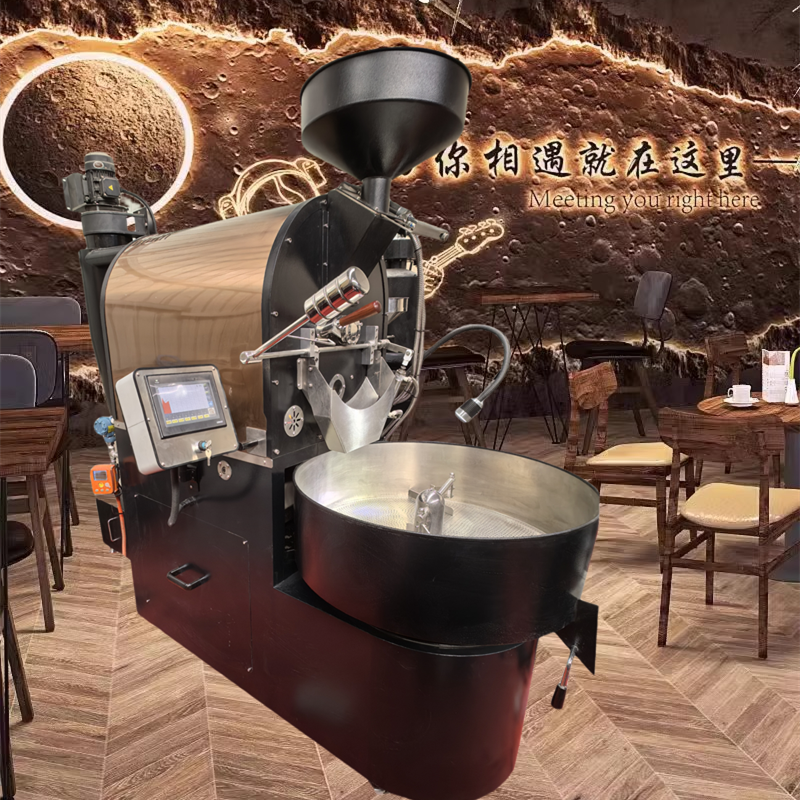
Technical details directly impact performance and control. Precision in temperature management is vital—look for models with PID controllers, which maintain stability within ±1°C, ensuring even roasting. Heating technology also matters: infrared systems heat rapidly and uniformly, while drum roasters with thick cast-iron walls retain heat effectively for slower, more nuanced roasts. Ventilation design influences smoke extraction and airflow, which affects flavor clarity. A roaster with adjustable airflow and drum speed allows fine-tuning of roast profiles, from light fruity notes to deep chocolatey undertones. Prioritize machines that offer granular control over these variables to replicate consistent results batch after batch.
Assessing Build Quality and Maintenance
Durability is non-negotiable for frequent use. Stainless steel or reinforced frames resist wear, while high-quality insulation minimizes heat loss and energy consumption. Check for modular designs that allow easy replacement of parts like heating elements or exhaust systems, extending the machine’s lifespan. Maintenance requirements vary: some roasters feature self-cleaning cycles that burn off residue, while others need manual scrubbing of drums and cooling trays. Opt for models with accessible components and clear maintenance guides to streamline upkeep. Additionally, verify the availability of spare parts and technical support in your region to avoid downtime.
Verifying Online Seller Credibility
Purchasing online demands due diligence. Research sellers by reading reviews from verified buyers, focusing on feedback about product authenticity and shipping reliability. Avoid listings with vague specifications or overly promotional language. Reputable sellers provide detailed descriptions, including dimensions, power requirements, and compatibility with voltage standards in your country. Check for certifications like CE or UL, which indicate compliance with safety and quality standards. If possible, contact the seller to clarify doubts about functionality or warranty terms before committing to a purchase.