

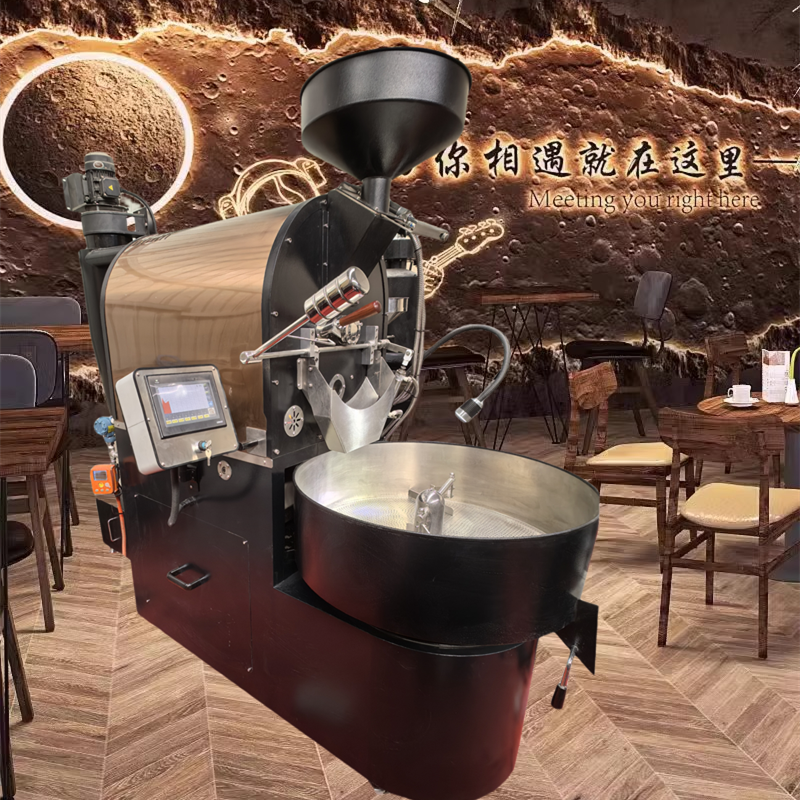
Understanding Power Requirements for Coffee Roasting Machines: A Comprehensive Guide
Voltage and Current Specifications for Safe Operation
Coffee roasting machines rely on precise electrical inputs to maintain consistent roast profiles. Most household and small commercial models operate on standard single-phase voltage, typically ranging from 110V to 120V in regions like North America or 220V to 240V in Europe and Asia. Always verify the machine’s voltage rating before plugging it in, as mismatched power supplies can damage internal components or trigger safety mechanisms.
Current draw varies based on roaster size and heating method. Drum roasters, which use conduction and convection, often require higher amperage (15–20A) compared to fluid-bed models that rely on forced hot air (10–15A). Overloading circuits by connecting multiple high-power appliances to the same outlet can lead to tripped breakers or electrical fires. Distribute roasters across separate circuits in commercial settings to avoid overloading.
Phase compatibility is another critical factor. While most roasters use single-phase power, industrial models designed for large-scale production may require three-phase connections. These systems distribute power more evenly, reducing strain on individual components but demand specialized wiring and outlets. Consult an electrician if upgrading to a three-phase roaster to ensure compliance with local electrical codes.
Power Cord and Outlet Considerations for Stability
The physical design of power cords and outlets impacts both safety and functionality. Heavy-duty cords with thick insulation resist wear from frequent bending or exposure to heat generated during roasting. Look for cords rated for outdoor use if operating the machine in damp or dusty environments, as these materials prevent moisture ingress and short circuits.
Outlet type matters for secure connections. Standard wall outlets work for most household roasters, but commercial models may require NEMA-rated receptacles designed for higher amperage. Twist-lock outlets, which lock the plug in place, are ideal for preventing accidental disconnections during operation, especially in high-traffic areas like cafes or roasting workshops.
Cord length influences workspace layout. Shorter cords (3–6 feet) reduce clutter and tripping hazards but limit placement flexibility. Longer cords (10–15 feet) offer mobility but require careful routing to avoid kinks or tangles. Never use extension cords permanently, as they degrade over time and increase resistance, leading to voltage drops that affect roast consistency.
Grounding and Surge Protection for Equipment Safety
Grounding is non-negotiable for electrical safety. A properly grounded roaster channels stray current away from users, reducing the risk of electric shock. Most machines include a three-prong plug that connects to a grounded outlet. If your building lacks grounded wiring, hire a professional to install GFCI (Ground Fault Circuit Interrupter) outlets, which automatically cut power during faults.
Surge protectors shield roasters from voltage spikes caused by lightning strikes or power grid fluctuations. Choose models with joule ratings above 1,000 joules for adequate protection, as lower-rated devices may fail under high-energy surges. Avoid daisy-chaining surge protectors, as this creates fire hazards and voids warranties. Instead, plug the roaster directly into a dedicated surge protector rated for its amperage.
Uninterruptible Power Supplies (UPS) benefit roasters in areas with frequent outages. A UPS provides backup power for a few minutes, allowing users to safely shut down the machine or complete critical roast stages. Opt for a UPS with sine-wave output to prevent damage to sensitive electronics like digital thermometers or programmable controllers.
Dual-Voltage and International Power Adaptation
Traveling roasters or those importing equipment must address voltage disparities. Dual-voltage machines (e.g., 110V–240V) switch between standards using a manual selector switch or automatic sensors. Verify the machine’s compatibility with local voltage before use, as incorrect settings can fry circuits or melt heating elements.
Step-down transformers convert high voltage (e.g., 240V) to lower levels (e.g., 120V) for non-dual-voltage roasters. These devices must match the roaster’s wattage to avoid overheating. For example, a 2,000W roaster requires a transformer rated for at least 2,500W to handle startup surges. Transformers add bulk and weight, making them impractical for frequent travel but useful for stationary imports.
Plug adapters alone do not change voltage; they only alter physical connections. Using a European plug adapter on a U.S. machine without a transformer risks irreversible damage. Always pair adapters with voltage conversion tools when operating abroad.
Power Consumption and Efficiency Optimization
Understanding wattage helps manage energy costs and environmental impact. Drum roasters typically consume 1,500–3,000 watts, depending on size and batch capacity, while fluid-bed models use 800–2,000 watts for similar outputs. Energy-efficient designs with insulated chambers or programmable idle modes reduce standby power usage by up to 30%.
Heating element type affects efficiency. Infrared or induction heaters convert more electrical energy into heat compared to traditional resistive coils, shortening roast times and lowering consumption. However, these technologies often cost more upfront and may require specialized maintenance.
Smart meters or energy monitors track real-time usage, helping roasters identify peak demand periods or inefficient settings. Adjusting batch sizes or roast schedules to off-peak hours can lower electricity bills in regions with time-of-use pricing. Some utilities offer rebates for upgrading to energy-efficient appliances, offsetting initial costs.
Troubleshooting Common Power-Related Issues
Flickering lights or tripped breakers during roasting signal overloaded circuits. Redistribute appliances across outlets or upgrade to a higher-amperage circuit. If the issue persists, inspect the roaster’s power cord for fraying or exposed wires, which can cause shorts.
Inconsistent roast temperatures may stem from voltage drops. Use a multimeter to check outlet voltage during operation; fluctuations beyond ±5% of the rated value indicate wiring problems. Contact an electrician to inspect the building’s electrical system, as poor grounding or aging infrastructure could be the culprit.
Machines that fail to power on despite correct voltage settings might have faulty switches or blown fuses. Replace fuses with identical ratings and test switches with a continuity meter. For digital roasters, reset the control panel by unplugging the machine for 5–10 minutes, as software glitches can mimic hardware failures.