

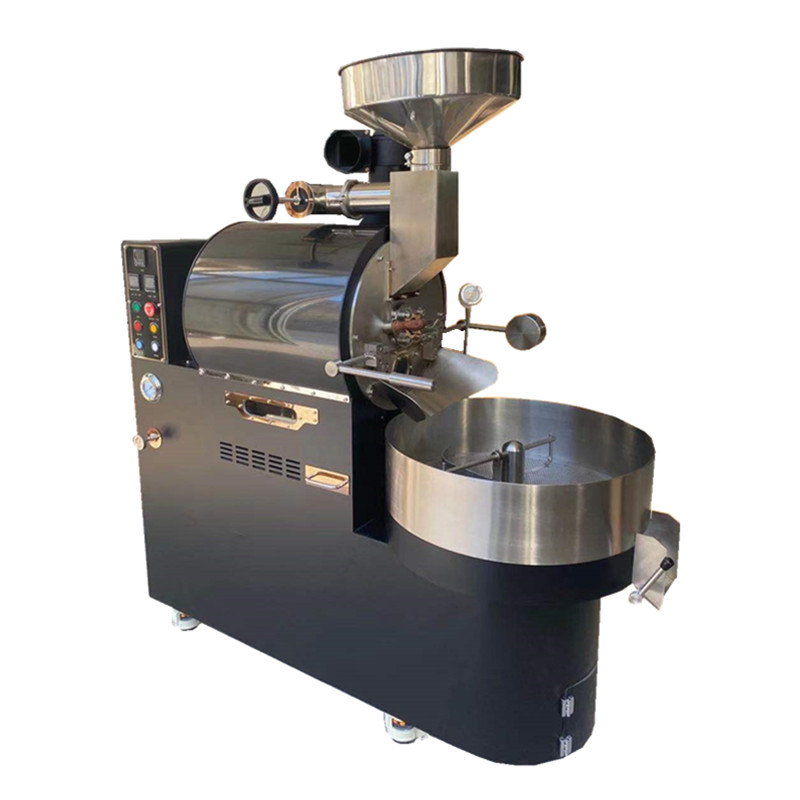
Essential Accessories and Complementary Items for Your Coffee Roaster
Roasting Tools for Precision and Control
When it comes to coffee roasting, having the right set of tools can make all the difference in achieving that perfect roast. These accessories are designed to help you monitor, adjust, and handle the beans throughout the roasting process.
Temperature Measuring Devices
Accurate temperature measurement is crucial in coffee roasting. Different stages of the roast require specific temperature ranges to bring out the desired flavors and aromas. A reliable thermometer, whether it’s a probe – style or an infrared one, allows you to keep a close eye on the internal temperature of the roaster and the beans. For example, during the drying phase, you need to maintain a relatively low and steady temperature to remove moisture from the beans without over – roasting them. As the roast progresses into the development stage, precise temperature control becomes even more important to achieve the right level of caramelization and flavor development. Some roasters may come with built – in thermometers, but having an additional, high – quality one can provide more accurate readings and give you greater control over the roasting process.
Bean Sampling Spoons
Taking samples of the beans during roasting is a great way to assess their progress and make adjustments as needed. Bean sampling spoons are small, specialized tools that allow you to safely remove a small amount of beans from the roaster at different intervals. By examining the color, smell, and texture of these samples, you can determine if the roast is proceeding as planned or if you need to change the temperature or airflow. For instance, if the beans are developing too quickly and starting to look burnt on the outside while still being under – roasted on the inside, you can lower the temperature or increase the airflow to slow down the roast and ensure even development.
Chaff Collectors
During the roasting process, a thin, papery layer called chaff comes off the coffee beans. If left unchecked, this chaff can accumulate inside the roaster, potentially affecting the airflow and the quality of the roast. Chaff collectors are designed to capture and remove the chaff as it’s released from the beans. They can be in the form of screens or trays that are placed near the exhaust of the roaster. By keeping the chaff out of the roasting chamber, you can ensure a cleaner roast and prevent any potential issues that could arise from chaff buildup, such as uneven heating or a fire hazard.
Storage Solutions for Freshness and Quality
Once you’ve roasted your coffee beans to perfection, proper storage is essential to maintain their freshness and flavor over time. The right storage containers and methods can help protect the beans from oxygen, light, moisture, and heat, which are all factors that can degrade the quality of the coffee.
Airtight Containers
Airtight containers are a must – have for storing roasted coffee beans. They create a barrier that prevents oxygen from entering the container and oxidizing the beans, which can lead to a loss of flavor and aroma. Look for containers made of materials like glass or stainless steel, as they are non – reactive and won’t impart any unwanted flavors to the coffee. The containers should also have a tight – fitting lid that forms a complete seal. You can store the beans in these containers at room temperature, away from direct sunlight and heat sources. If you plan to store the beans for an extended period, consider dividing them into smaller batches to minimize the amount of air that comes into contact with the beans each time you open the container.
Vacuum – Sealed Bags
For long – term storage or if you want to share your roasted coffee with others, vacuum – sealed bags are an excellent option. These bags remove most of the air from the package, creating a vacuum environment that helps preserve the freshness of the beans. Vacuum – sealing also prevents the beans from absorbing moisture from the air, which can cause them to become stale or moldy. You can use a vacuum – sealing machine to seal the bags, or you can purchase pre – made vacuum – sealed bags that are designed specifically for coffee storage. When using vacuum – sealed bags, make sure to label them with the roast date and the type of coffee beans so you can keep track of their freshness.
Cool, Dark Storage Areas
In addition to using the right containers, the location where you store your roasted coffee beans is also important. Coffee beans should be stored in a cool, dark place to prevent them from being exposed to heat and light, which can accelerate the degradation process. A pantry or a cupboard away from appliances that generate heat, such as ovens and stoves, is an ideal storage location. Avoid storing the beans in the refrigerator or freezer, as the moisture and temperature fluctuations in these environments can damage the beans and affect their flavor.
Cleaning and Maintenance Supplies
Keeping your coffee roaster clean and well – maintained is crucial for ensuring consistent roast quality and extending the lifespan of the machine. Regular cleaning removes built – up chaff, oils, and other residues that can accumulate over time and affect the performance of the roaster.
Roaster Cleaning Brushes
Roaster cleaning brushes are specially designed to reach into the nooks and crannies of the roaster and remove chaff and other debris. They come in different shapes and sizes to suit different parts of the roaster, such as the roasting chamber, the chute, and the exhaust. For example, a long – handled brush with soft bristles can be used to clean the inside of the roasting drum, while a smaller brush with stiffer bristles can be used to clean the chaff collector and the exhaust screen. Regular use of these brushes after each roast can prevent the buildup of residues and ensure that the roaster operates smoothly.
Degreasing Agents
Over time, the oils from the coffee beans can build up on the surfaces of the roaster, creating a sticky residue that can attract dirt and bacteria. Degreasing agents are formulated to break down and remove these oils, leaving the roaster clean and sanitary. When using a degreasing agent, make sure to follow the manufacturer’s instructions carefully and rinse the roaster thoroughly with water to remove any remaining residue. You can use a soft cloth or sponge to apply the degreasing agent and scrub the surfaces of the roaster.
Lubricants
Some parts of the coffee roaster, such as the moving components of the roasting drum or the fan, may require lubrication to ensure smooth operation. Lubricants help reduce friction and wear on these parts, extending their lifespan and preventing breakdowns. When choosing a lubricant, look for one that is food – grade and safe for use in coffee roasters. Apply the lubricant sparingly to the moving parts according to the manufacturer’s recommendations, and wipe off any excess to prevent it from coming into contact with the coffee beans.