

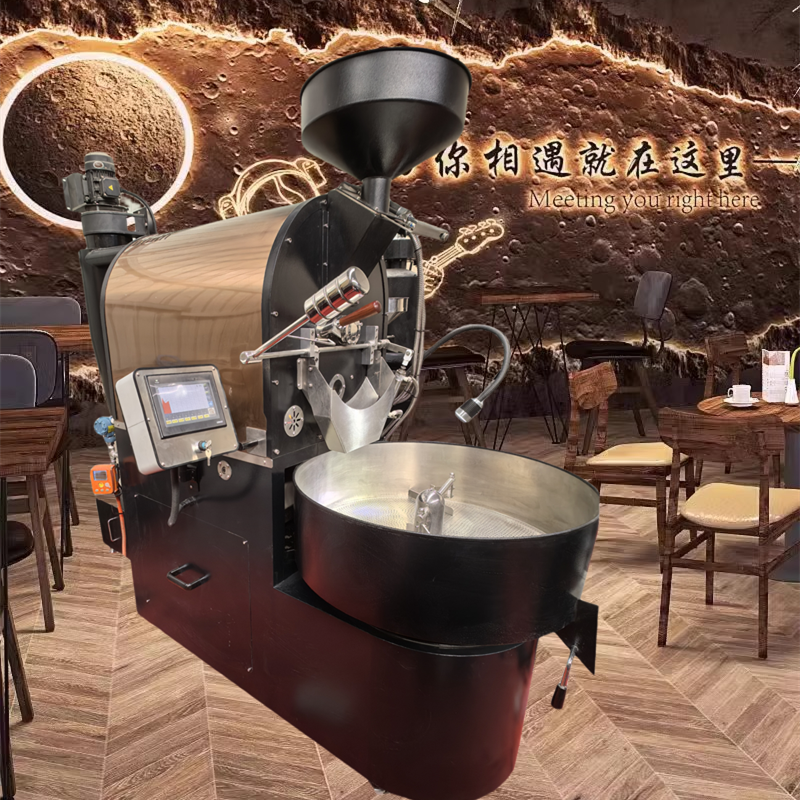
Essential Accessories for Coffee Roasting Machines: Elevating Your Roasting Game
Coffee roasting is both an art and a science, and having the right accessories can transform the process from routine to remarkable. Whether you’re a home roaster experimenting with flavor profiles or a professional refining your craft, these accessories are designed to enhance precision, safety, and creativity. Below, we explore categories of accessories that complement coffee roasting machines, helping you achieve consistent, high-quality results.
Temperature Control and Monitoring Tools
Achieving the perfect roast hinges on maintaining precise temperatures throughout the process. Thermocouples or infrared thermometers are indispensable for monitoring bean temperature in real time, allowing roasters to adjust heat settings dynamically. These tools provide accurate readings without interfering with the roasting environment, ensuring even development and avoiding scorching.
For those who prefer a hands-off approach, digital temperature controllers can be integrated with many roasting machines to automate heat adjustments based on predefined profiles. These devices often feature programmable settings, enabling roasters to replicate successful batches or experiment with new roast curves. Additionally, data logging software paired with temperature probes allows for detailed analysis of each roast, helping identify patterns and optimize future batches.
Another critical tool is a hygrometer, which measures the humidity inside the roasting chamber. Humidity levels influence heat transfer and bean behavior, so maintaining optimal conditions is key to consistency. A hygrometer helps roasters adjust airflow or preheat settings to compensate for environmental changes, ensuring each batch meets their standards.
Bean Handling and Agitation Accessories
Even heat distribution is essential for uniform roasting, and manual agitation tools play a vital role in achieving this. Stainless steel spoons or paddles designed for roasting machines allow roasters to stir beans during the process, preventing hot spots and ensuring all beans develop evenly. These tools are particularly useful for smaller batches or when using roasters without built-in agitation mechanisms.
For those who roast in larger quantities, a bean chute or hopper extension can streamline the loading process, reducing spillage and minimizing exposure to external heat sources. These accessories often feature adjustable gates or valves, giving roasters control over the flow rate and ensuring consistent batch sizes. Additionally, a cooling tray with a perforated surface accelerates the post-roast cooling process, halting the roast quickly to lock in desired flavors and prevent overdevelopment.
Chaff collection systems are another must-have for maintaining a clean roasting environment. Chaff, the thin silverskin that detaches from beans during roasting, can accumulate in the machine and affect performance if not removed regularly. A dedicated chaff collector or vacuum attachment keeps the roasting chamber free of debris, improving airflow and reducing the risk of fire hazards.
Maintenance and Calibration Supplies
Regular maintenance is crucial for keeping a roasting machine in peak condition, and having the right supplies on hand simplifies this task. Cleaning brushes with stiff bristles are ideal for removing chaff and residue from hard-to-reach areas, such as the drum or exhaust vents. For more thorough cleaning, food-grade degreasers or solvents can dissolve built-up oils without damaging machine components.
Calibration tools ensure the roasting machine’s sensors and controls remain accurate over time. A digital multimeter can verify the functionality of electrical components, while a pressure gauge helps monitor airflow systems. Roasters who rely on precise temperature readings may also invest in a calibration thermometer to cross-check their machine’s built-in sensors, ensuring consistency batch after batch.
Replacement parts, such as gaskets, seals, or heating elements, are essential for addressing wear and tear proactively. Keeping a supply of commonly replaced items minimizes downtime and prevents minor issues from escalating into costly repairs. Additionally, a detailed maintenance log helps track service intervals and identify recurring problems, allowing roasters to address issues before they impact roast quality.
Safety and Ventilation Enhancements
Roasting coffee generates smoke and chaff, making proper ventilation a safety priority. A fume hood or exhaust fan designed for roasting machines helps remove smoke and fumes from the workspace, protecting roasters from inhaling harmful particles and preventing the buildup of flammable materials. These systems often feature adjustable airflow settings, allowing roasters to customize ventilation based on batch size or roast intensity.
Fire safety accessories, such as fire extinguishers rated for grease fires, should be easily accessible in any roasting environment. Some roasters also invest in automatic fire suppression systems, which activate in the event of a flare-up, providing an additional layer of protection. Heat-resistant gloves and aprons protect roasters from burns when handling hot beans or adjusting machine settings, while safety goggles shield eyes from flying chaff or debris.
For those who roast in shared or enclosed spaces, a carbon monoxide detector is a wise investment. While coffee roasting typically produces minimal carbon monoxide, poor ventilation or machine malfunctions can lead to dangerous buildups. A detector provides early warning, allowing roasters to address issues before they pose a health risk.
Creative and Experimental Accessories
For roasters who enjoy pushing boundaries, experimental accessories open up new possibilities. Sample roasters, which are smaller versions of full-sized machines, allow roasters to test new bean varieties or roast profiles without committing to large batches. These compact devices often feature adjustable settings, making them ideal for R&D or educational purposes.
Flavor enhancement tools, such as smoking guns or wood chips, can introduce unique aromas to roasted beans. While traditional roasting methods rely on heat alone, these accessories allow roasters to experiment with smoky or woody notes, creating custom blends that stand out in the market. Similarly, vacuum-sealing machines help preserve the freshness of roasted beans by removing oxygen from packaging, extending shelf life and maintaining flavor integrity.
For those interested in the sensory aspects of roasting, a cupping kit with standardized equipment—such as spoons, bowls, and water—ensures consistent evaluations of roast quality. These kits often include tasting wheels or flavor guides, helping roasters identify and articulate the nuances of each batch. Sharing cupping results with peers or customers fosters collaboration and builds a community around the craft of roasting.
By incorporating these accessories into their roasting setup, enthusiasts can enhance precision, safety, and creativity, turning each batch into an opportunity for growth and discovery. Whether refining existing techniques or exploring new frontiers, the right tools empower roasters to elevate their craft and share their passion with the world.