

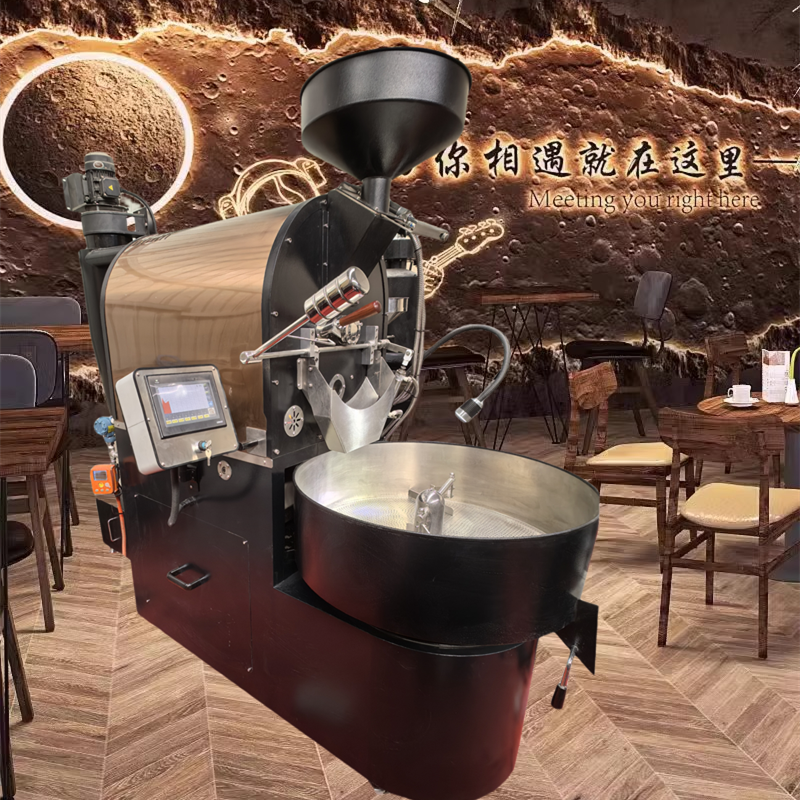
Online Training for Coffee Roasting Machines: A Comprehensive Guide
Understanding the Fundamentals of Coffee Roasting
The Science Behind Roasting
Online courses often begin with the chemistry of coffee beans, explaining how heat transforms their structure and flavor. Learners explore topics like the Maillard reaction, which creates caramelized sugars, and the role of moisture in achieving a balanced roast. Interactive modules might include quizzes to test knowledge of terms like “endothermic” (absorbing heat) and “exothermic” (releasing heat) phases.
Identifying Roast Levels
Training programs teach participants to distinguish between light, medium, and dark roasts by observing bean color, texture, and aroma. Some platforms use high-resolution images or videos to compare roasts side by side, helping learners recognize subtle differences. Assignments might involve describing the taste profile of each roast level, such as the acidity in light roasts or the bitterness in dark ones.
Grading Green Coffee Beans
Before roasting, evaluating green beans is crucial. Courses cover how to inspect beans for defects like mold, insect damage, or uneven size. Virtual labs simulate sorting processes, where learners classify beans into grades based on quality standards. This skill ensures only high-quality beans are used, reducing waste and improving final cup quality.
Mastering Machine Operation Through Virtual Modules
Pre-Roast Setup and Calibration
Online training walks users through preparing the machine, including preheating the drum to a stable temperature and calibrating sensors for accuracy. Interactive simulations allow learners to adjust settings virtually, observing how changes affect the roast. For example, increasing airflow might be demonstrated to show its impact on bean movement and heat distribution.
Batch Management and Timing
Controlling batch size and timing is a core skill. Courses teach how to calculate the ideal bean quantity for a machine’s capacity to avoid overloading or underloading. Timed exercises challenge learners to start and stop roasts based on auditory cues like first crack, reinforcing the importance of listening to the beans rather than relying solely on timers.
Real-Time Adjustments During Roasting
Advanced modules focus on interpreting data from thermometers or software interfaces to make split-second decisions. Learners practice adjusting heat, airflow, or drum speed mid-roast to correct issues like uneven coloring or stalling (when beans stop losing moisture). Some platforms offer live webinars where instructors demonstrate these adjustments on actual machines.
Developing Troubleshooting and Maintenance Skills
Diagnosing Common Roasting Problems
Online courses address issues like uneven roasts, scorched beans, or excessive smoke. Through case studies, learners identify root causes, such as faulty sensors or clogged ventilation, and propose solutions. For instance, a module might present a scenario where beans roast too quickly on one side, guiding users to check drum rotation or heat distribution.
Cleaning and Preventative Maintenance
Proper maintenance extends machine lifespan. Training includes step-by-step guides for cleaning the drum, chaff collector, and exhaust system. Virtual demonstrations show how to disassemble parts safely and use the right tools. Learners also learn to create maintenance schedules, reducing downtime and costly repairs.
Safety Protocols and Compliance
Safety is emphasized in every module. Courses cover topics like electrical safety, fire prevention, and proper ventilation. Interactive scenarios test learners on emergency procedures, such as shutting down the machine during a power surge or handling a small fire. Compliance with local regulations, like gas safety standards, is also discussed.
Enhancing Learning with Interactive Tools and Community Support
Virtual Roasting Simulators
Many platforms offer simulators that mimic real-world roasting conditions. Learners input parameters like temperature and batch size, then observe virtual beans roast in real time. These tools allow for risk-free experimentation, helping users refine their techniques before operating actual machines.
Peer Collaboration and Feedback
Online forums or group projects encourage learners to share experiences and ask questions. For example, a discussion thread might focus on overcoming challenges like achieving consistency across batches. Instructors often participate, providing personalized feedback on assignments or troubleshooting advice.
Continuous Learning Resources
After completing formal training, learners gain access to updated materials like articles on emerging roasting trends or video tutorials on new techniques. Some platforms offer certification programs, allowing users to validate their skills for employers or clients.
By combining theoretical knowledge with practical simulations and community support, online training equips learners to operate coffee roasting machines confidently and efficiently. The flexibility of virtual learning suits both beginners and experienced roasters looking to refine their craft.