

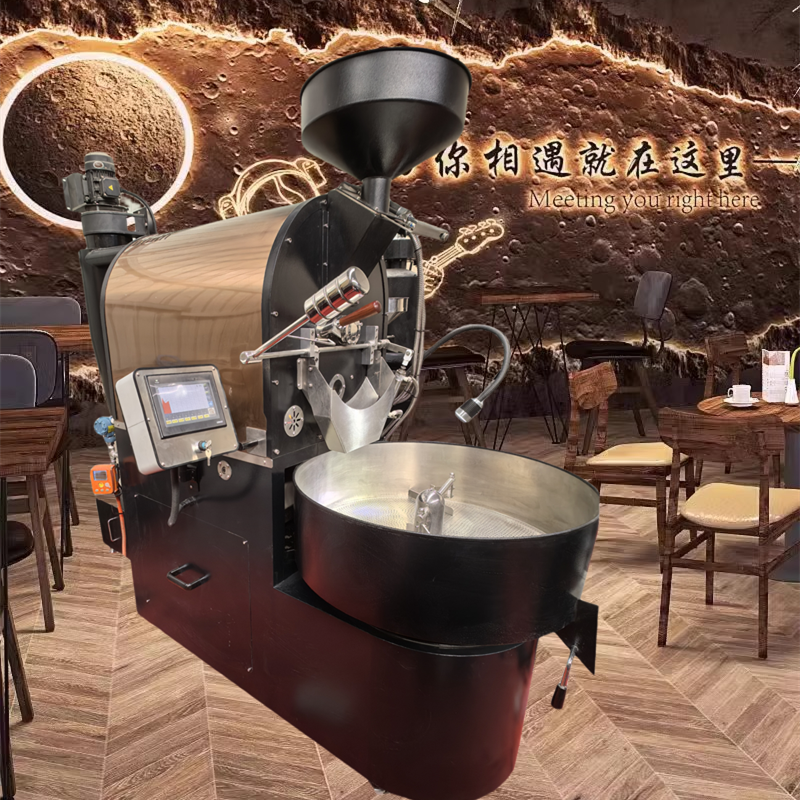
Key Considerations When Choosing a Coffee Roasting Machine
Capacity and Batch Size Flexibility
Selecting a machine with the right capacity is crucial for matching production needs. For home users or small cafés, compact models handling 1–3 kg per batch offer efficiency without overwhelming space. Larger operations, such as commercial roasteries, may prioritize machines capable of processing 5–10 kg or more to meet high-volume demands. Flexibility is equally important—look for machines that allow adjustments to batch sizes without compromising roast quality. For example, some models feature modular designs, enabling users to scale up or down depending on seasonal demand or customer preferences. This adaptability ensures the machine remains cost-effective over time, avoiding overinvestment in unnecessary capacity.
Thermal Control and Roast Precision
Precision in temperature management directly impacts flavor development. Opt for machines with advanced thermal sensors and adjustable heat settings to fine-tune roast profiles. Consistent airflow systems are equally vital, as they prevent uneven roasting by circulating heat evenly throughout the chamber. For instance, models maintaining temperature stability within ±2°C are praised for preserving delicate notes in specialty beans. Beginners may benefit from machines with preset roast curves, while experienced users often prefer fully programmable interfaces to experiment with custom profiles. Additionally, rapid cooling mechanisms help lock in flavors post-roast, a feature valued by those aiming for bright, acidic finishes or complex caramelization.
Durability and Material Quality
Long-term reliability hinges on robust construction. Machines built with high-grade stainless steel or reinforced alloys resist wear and tear, even under frequent use. Components like heating elements, bearings, and seals should withstand high temperatures without degrading quickly. For example, insulated chambers not only improve energy efficiency but also protect internal parts from thermal stress, extending the machine’s lifespan. Users in humid climates should prioritize corrosion-resistant materials to prevent rust, while those in colder regions may seek models with enhanced insulation to maintain stable roasting temperatures. Modular designs with easily replaceable parts further reduce maintenance costs, as individual components can be swapped out instead of replacing the entire unit.
Ease of Use and Maintenance
User-friendly features streamline the roasting process and reduce learning curves. Intuitive interfaces, such as touchscreens or mobile app integration, allow real-time monitoring of critical parameters like temperature and roast time. Automated functions, such as self-cleaning cycles or chaff collection systems, minimize manual labor and downtime. For instance, machines with detachable parts for cleaning simplify upkeep, ensuring consistent performance over time. Clear instructional manuals or video tutorials are also valuable, especially for beginners. Accessibility features, like ergonomic handles or adjustable heights, cater to users with physical limitations, making the machine inclusive for diverse teams.
Energy Efficiency and Environmental Impact
Sustainability is increasingly influencing purchasing decisions. Look for machines with energy-saving technologies, such as heat recovery systems or insulated chambers that reduce power consumption. Some models incorporate smart sensors that adjust energy use based on batch size or ambient temperature, further optimizing efficiency. For eco-conscious buyers, machines with low emissions or smoke purification systems align with environmental regulations and workplace safety standards. Additionally, durable designs that minimize waste by reducing the need for frequent repairs or replacements contribute to a lower carbon footprint over the machine’s lifecycle.
Adaptability to Regional and Cultural Preferences
Coffee roasting machines should cater to local tastes and environmental conditions. In regions favoring light roasts, machines with gentle heat application and rapid cooling preserve acidity and floral notes. Conversely, markets prioritizing espresso may require models capable of deep roasting to enhance body and caramelization. Altitude compensation settings are useful for high-elevation areas, where thinner air affects pressure and heat distribution. Cultural adaptations, such as multilingual interfaces or preset programs for popular local bean varieties, simplify operation for international users. These features ensure the machine remains versatile and relevant across global markets, appealing to both niche and mainstream audiences.