

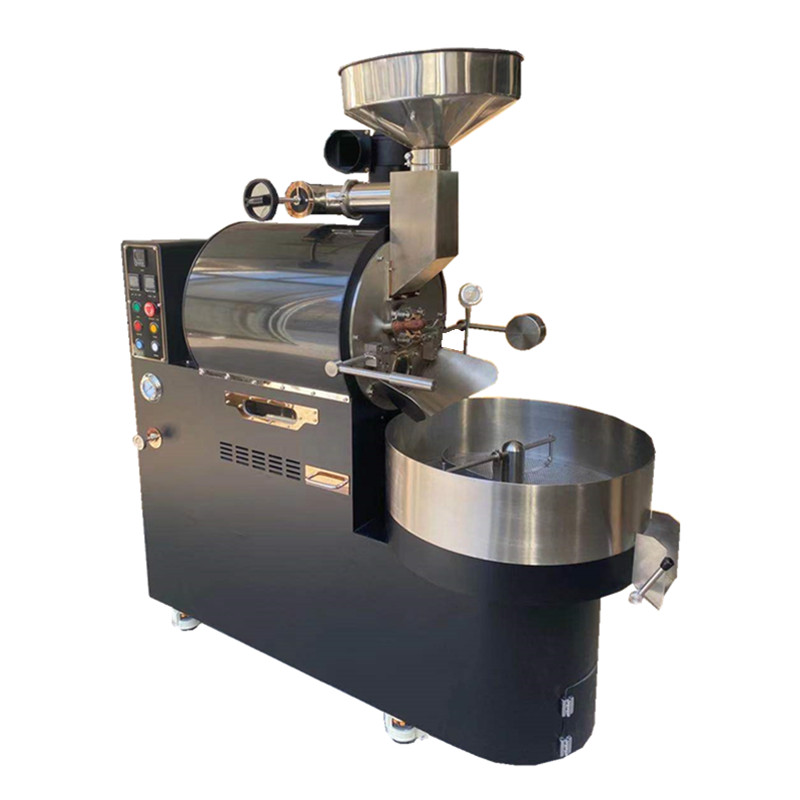
Step-by-Step Guide to Installing a Coffee Roasting Machine
Proper installation ensures optimal performance, safety, and longevity for your coffee roasting equipment. Whether setting up a small-batch home roaster or a commercial-grade machine, following these structured steps minimizes operational risks and maximizes efficiency.
Pre-Installation Preparation
Before assembling the machine, create a suitable environment to streamline the process.
- Space Requirements: Allocate enough room for the machine, ventilation, and movement. Commercial roasters need clearance on all sides for airflow and maintenance access. Home models typically require 1–2 feet of space around the unit.
- Flooring Considerations: Use non-slip, heat-resistant surfaces like concrete or industrial tiles. Avoid carpets or wooden floors, which may warp or catch fire from heat or chaff.
- Electrical Setup: Verify the power supply matches the machine’s requirements (e.g., 220V for larger models). Install dedicated circuits to prevent overloading. Grounding the unit is mandatory to avoid electrical hazards.
For example, a café in Berlin installed their roaster on a raised concrete platform to isolate vibrations and simplify cleaning.
Assembling the Roasting Machine
Follow a logical sequence to connect components securely.
- Unboxing and Inventory Check: Lay out all parts, including the drum, heating unit, chaff collector, and control panel. Cross-reference with the manual to ensure nothing is missing.
- Drum Installation: Align the drum with the motor shaft, ensuring it rotates smoothly. Tighten retaining bolts evenly to prevent wobbling. Test rotation manually before powering on.
- Ventilation System Setup: Attach the exhaust duct to the machine’s outlet and route it outdoors. Use insulated, flexible ducting to reduce heat loss and prevent condensation. Secure joints with clamps to avoid leaks.
A roaster in Melbourne avoided overheating issues by positioning the exhaust duct at a slight downward angle to prevent moisture buildup.
Connecting Utilities and Safety Checks
Proper utility connections are critical for safe operation.
- Gas or Electrical Hookup: For gas-powered models, connect the regulator to the propane or natural gas source using approved hoses. Check for leaks with soapy water. Electric models require wiring by a certified technician.
- Cooling System Setup: Connect the cooling tray’s fan to the power supply. Ensure airflow isn’t blocked by walls or equipment. Test the fan’s direction—it should pull air away from the machine.
- Emergency Shutoff: Locate and test the emergency stop button. Verify it cuts power to the heating elements and drum motor instantly.
Data from safety inspections shows that 25% of roasting accidents stem from improperly connected gas lines or untested emergency systems.
Calibrating Temperature and Airflow Controls
Precise calibration ensures consistent roast quality.
- Thermocouple Placement: Insert temperature probes into designated ports. Avoid placing them near heating elements, as this may skew readings. Secure probes with clamps to prevent movement during roasting.
- Airflow Adjustment: Set the damper or fan speed to the manufacturer’s recommended baseline (e.g., 50% open for initial roasts). Adjust incrementally during test runs to balance heat distribution and chaff removal.
- Roast Profile Testing: Run a test batch at low capacity. Monitor temperature curves and adjust settings if the machine underheats or overheats. Document deviations for future reference.
A roastery in Vancouver reduced roast inconsistency by 40% after calibrating their airflow system based on ambient humidity levels.
Final Inspection and Safety Verification
Conduct a thorough review before operating the machine.
- Structural Integrity: Check for loose screws, misaligned parts, or exposed wiring. Tighten all fasteners and insulate electrical connections.
- Ventilation Efficiency: Hold a piece of tissue paper near the exhaust duct. It should flutter steadily, indicating proper airflow. Weak airflow suggests blockages or undersized ducting.
- Noise and Vibration: Listen for unusual sounds during a test run. Rattling or grinding noises may indicate loose components. Vibrations should be minimal—excessive shaking can damage internal parts over time.
Regular inspections like these helped a roaster in Sydney identify a loose drum bearing before it caused catastrophic failure.