

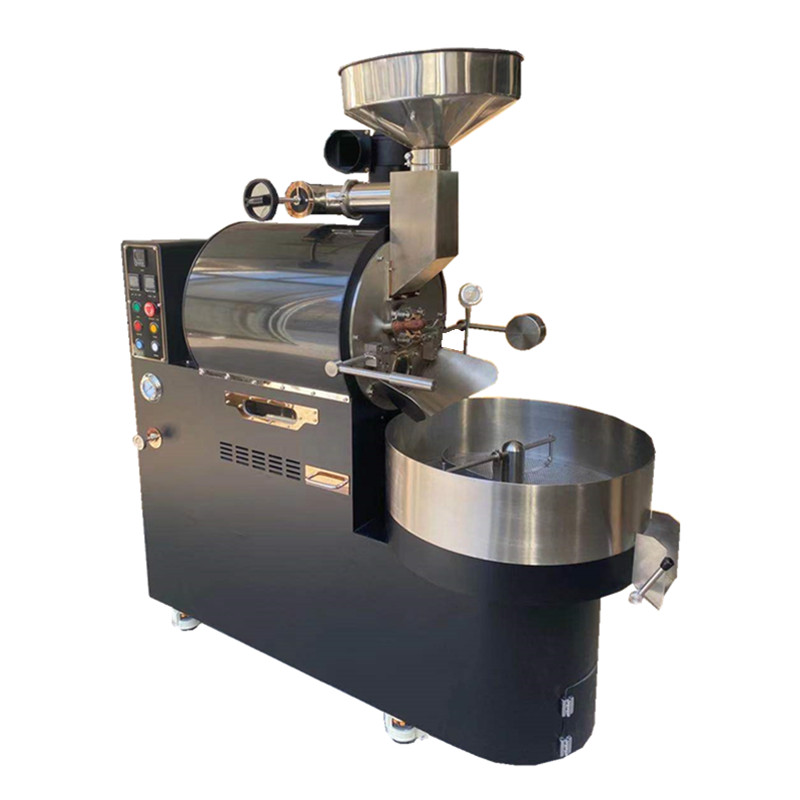
How to Clean the Inside of a Coffee Roaster: A Step-by-Step Guide for Optimal Performance
Maintaining a clean coffee roaster is essential for preserving flavor quality, preventing equipment damage, and ensuring safety. Over time, chaff, oil residue, and carbon deposits accumulate inside the machine, affecting heat distribution and airflow. This guide provides practical, brand-agnostic methods to clean your roaster’s interior effectively.
Preparing for Cleaning: Safety and Setup
Before diving into the cleaning process, prioritize safety and organization to avoid accidents or damage to the machine.
Turn Off and Unplug the Roaster:
Always disconnect the roaster from its power source and allow it to cool completely. Hot surfaces or internal components can cause burns, and residual heat may react with cleaning agents. Wait at least 30 minutes after the last roast to ensure all parts are safe to touch.
Gather Cleaning Tools:
Collect soft-bristled brushes, microfiber cloths, food-grade degreasers, and a vacuum with a brush attachment. Avoid abrasive tools like steel wool, which can scratch metal surfaces and create grooves where residue can hide. For hard-to-reach areas, consider using a flexible pipe cleaner or a long-handled brush.
Protect Surrounding Areas:
Lay down a drop cloth or old towels to catch debris and prevent spills from damaging floors or countertops. If cleaning near electrical outlets or sensitive equipment, ensure the workspace is dry and free of cleaning agents.
Cleaning the Drum and Agitator: Removing Oil and Chaff Buildup
The drum and agitator are central to the roasting process, making them prone to oil and chaff accumulation. These residues can alter flavor profiles and reduce heating efficiency if not addressed regularly.
Accessing the Drum:
Open the roaster’s access panel or remove the drum cover (refer to your machine’s manual for specific instructions). Some models require loosening screws or releasing latches, while others have a hinged design. Use caution to avoid damaging seals or gaskets during removal.
Scrubbing the Drum Interior:
Dip a soft-bristled brush into a food-grade degreaser diluted with water (follow the product’s recommended ratio). Gently scrub the drum’s inner walls, paying close attention to areas where oil tends to pool, such as the bottom and sides near the heating element. For stubborn residue, let the degreaser sit for 5–10 minutes before scrubbing again.
Cleaning the Agitator Paddles:
The agitator paddles, which stir beans during roasting, often collect oil and chaff. Use a smaller brush or an old toothbrush to clean between the paddles and the drum’s center shaft. Rotate the agitator manually (if possible) to access all angles. Wipe the paddles with a damp cloth to remove loosened debris.
Drying the Drum and Agitator:
After cleaning, use a dry microfiber cloth to wipe the drum and agitator thoroughly. Ensure no moisture remains, as residual water can lead to rust or affect the next roast. Leave the access panel open for 10–15 minutes to air-dry any hard-to-reach spots.
Addressing the Exhaust System: Clearing Chaff and Carbon Deposits
The exhaust system, including vents, ducts, and fans, plays a critical role in maintaining proper airflow during roasting. Chaff and carbon buildup here can restrict ventilation, leading to uneven roasts or overheating.
Cleaning the Exhaust Vent:
The exhaust vent, where smoke and chaff exit the roaster, is a common bottleneck for debris. Use a vacuum with a brush attachment to remove loose chaff from the vent opening. For deeper cleaning, detach the vent cover (if removable) and use a stiff-bristled brush to dislodge stubborn residue. Wipe the cover with a damp cloth before reattaching.
Inspecting and Clearing Ductwork:
If your roaster has visible ductwork, check for chaff or carbon deposits that may clog the path. Use a flexible brush or pipe cleaner to push debris toward the exhaust end. For rigid ducts, a long-handled brush can reach further inside. Avoid using water inside ducts, as moisture can promote mold growth or damage electrical components.
Maintaining the Exhaust Fan:
The fan responsible for pulling air through the system often accumulates carbon on its blades. Turn off the roaster and disconnect power before cleaning. Remove the fan cover (if possible) and gently wipe the blades with a cloth dampened with a mild degreaser. For heavy buildup, use a soft brush to scrub the blades, taking care not to bend them.
Checking for Airflow Restrictions:
After cleaning, turn the roaster on briefly (without roasting beans) to test airflow. Place your hand near the exhaust vent to feel for consistent suction. If airflow seems weak, recheck the vent, ducts, and fan for remaining blockages.
Tackling the Bean Chute and Cooling Tray: Preventing Cross-Contamination
The bean chute, where raw beans enter the drum, and the cooling tray, where roasted beans rest, are prone to oil and chaff buildup. Cleaning these areas ensures each batch starts fresh and cools evenly.
Cleaning the Bean Chute:
The bean chute’s curved design makes it a trap for oil and chaff, especially at bends and joints. Use a pipe cleaner or flexible brush to dislodge residue from tight spaces. For wider sections, wrap a cloth around a long-handled brush and scrub gently. Avoid pushing debris further into the chute; instead, work from the opening toward the drum.
Wiping Down the Cooling Tray:
The cooling tray collects fine chaff and dust as beans cool. After each roast, wipe the tray with a dry cloth to remove loose particles. For oil stains, dampen the cloth with a small amount of water or a mild detergent (avoid strong chemicals that may leave odors). Ensure the tray is completely dry before the next use to prevent beans from sticking.
Inspecting Seals and Gaskets:
The seals around the bean chute and cooling tray prevent air leaks that disrupt roasting consistency. Check these regularly for cracks or wear. Damaged seals should be replaced promptly to maintain proper pressure and temperature control during roasting.
By following these steps, you can keep your coffee roaster’s interior clean, ensuring each batch tastes as intended and your machine operates efficiently for years to come. Prioritize regular maintenance, adapt techniques to your roaster’s design, and always use food-safe cleaning agents to protect the quality of your coffee.