

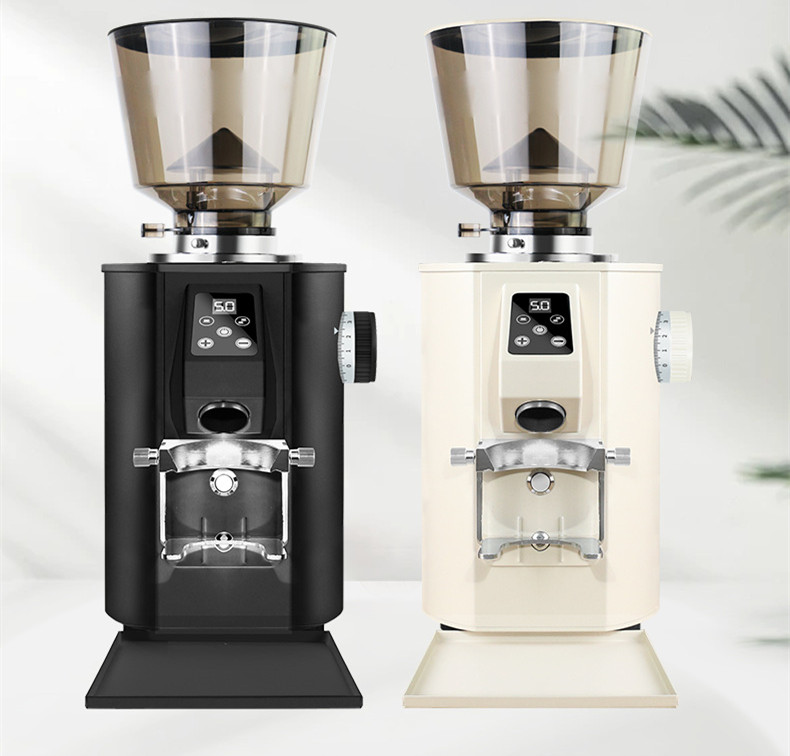
Advancing Coffee Technology Through Precision Grinding Innovations
The coffee grinder, once a basic tool for particle size reduction, has become a catalyst for technological breakthroughs in the coffee industry. By refining grind consistency, enabling experimental techniques, and integrating with digital systems, grinding processes are driving advancements in extraction efficiency, sustainability, and consumer experience. These innovations are reshaping how coffee is produced, analyzed, and enjoyed.
Grind Consistency as a Foundation for Extraction Science
Achieving uniform grind sizes is critical for optimizing extraction rates, and modern grinding techniques are unlocking new levels of precision. Variable-speed motors and adjustable burr geometries allow baristas and researchers to control particle distribution with unprecedented accuracy. This precision has led to the development of “extraction mapping,” where sensors analyze grind profiles to predict flavor outcomes before brewing begins.
Dynamic Grind Adjustment for Real-Time Optimization
Advanced grinders now incorporate sensors that measure particle size distribution during operation. These systems adjust burr spacing or rotational speed in real time to compensate for variables like bean density, moisture content, and roast level. For example, a grinder might detect an unusually hard bean and temporarily widen the burrs to prevent clogging, then tighten them again for subsequent beans. This adaptability reduces waste and ensures consistent extraction across batches, a breakthrough for high-volume commercial settings.
The integration of machine learning algorithms further enhances this process. By analyzing historical data on grind settings and extraction results, grinders can now suggest optimal parameters for specific coffee origins or roast profiles. Some research labs are experimenting with grinders that “learn” from each use, continuously refining their adjustments to achieve ideal extraction percentages. This technology is particularly valuable for specialty roasters seeking to highlight nuanced flavors in single-origin coffees.
Grinding-Driven Sustainability Innovations
Grinding technology is playing a pivotal role in reducing coffee’s environmental footprint. Innovations in particle reduction efficiency are minimizing energy consumption, while byproduct utilization is transforming waste into valuable resources. These advancements align with global sustainability goals and appeal to eco-conscious consumers.
Energy-Efficient Grinding Mechanisms
Traditional grinders often rely on high-torque motors that consume significant electricity. New designs use magnetic levitation or piezoelectric systems to reduce friction and energy use. These mechanisms achieve the same grind quality with up to 40% less power, making them ideal for off-grid cafés or regions with unreliable electricity. Additionally, some prototypes harness kinetic energy from hand-cranked grinders to power small-scale digital displays, bridging traditional and modern technologies.
The concept of “regrinding” is also emerging as a sustainability strategy. Fine particles produced during initial grinding are collected and reprocessed to create uniform grounds, reducing waste. This approach is particularly effective for espresso, where overly fine grinds are often discarded. By repurposing these particles, roasters can increase yield without compromising quality, addressing both economic and environmental concerns.
Circular Economy Applications for Coffee Grounds
Grinding byproducts are being repurposed into innovative materials. Researchers have developed biodegradable plastics from spent coffee grounds, which can be molded into cups, straws, or packaging. The grinding process itself is optimized to produce particles with specific surface areas, enhancing their suitability for these applications. For instance, finely ground coffee waste exhibits better adhesion properties, making it ideal for 3D-printed objects.
In agriculture, coffee grounds are being used as soil amendments. The grinding process breaks down cell walls, releasing nutrients like nitrogen and potassium more efficiently than unprocessed grounds. Some farms are integrating grinders into their processing lines to create on-site fertilizer, closing the loop between production and cultivation. This practice not only reduces waste but also improves crop yields, demonstrating the interconnectedness of grinding technology and sustainable farming.
Digital Integration and Data-Driven Coffee Science
The convergence of grinding technology and digital systems is revolutionizing how coffee is analyzed and improved. Smart grinders equipped with IoT sensors are generating vast datasets that inform brewing protocols, quality control, and even consumer preferences. These innovations are democratizing access to advanced coffee science, empowering both professionals and enthusiasts.
IoT-Enabled Grinders for Quality Control
Internet-connected grinders now transmit real-time data on particle size, throughput, and energy usage to cloud platforms. Roasters can monitor production remotely, adjusting parameters to maintain consistency across multiple locations. For example, a chain of cafés might use centralized data to ensure all outlets grind beans to the same specification, guaranteeing a uniform customer experience. This level of control was previously unattainable without manual sampling and testing.
Blockchain technology is also being integrated to track grind quality throughout the supply chain. Each batch of grounds can be assigned a digital certificate, verifying its origin, roast date, and particle distribution. This transparency builds trust among consumers and helps roasters identify inefficiencies in their processes. Some platforms even allow customers to scan a QR code on their coffee bag to view the grind profile used, enhancing engagement and education.
Consumer-Centric Grinding Apps
Mobile applications are bridging the gap between professional grinding techniques and home brewing. These apps sync with smart grinders to replicate barista-approved settings, allowing users to adjust grind size based on brewing method, bean type, or desired flavor profile. Advanced versions use augmented reality to overlay grind particles onto a user’s countertop, providing visual guidance on texture and volume.
Gamification elements are also being introduced to encourage experimentation. Users earn badges for trying different grind sizes or achieving specific extraction percentages, turning coffee preparation into an interactive learning experience. Some apps even connect users with local roasters who offer custom grind profiles tailored to individual tastes, fostering a community-driven approach to coffee innovation.
The evolution of grinding technology is redefining coffee’s role in the digital age. By merging mechanical precision with data analytics and sustainability principles, grinders are no longer passive tools but active participants in a technology-driven revolution. As these innovations continue to mature, the coffee industry is poised to enter a new era of efficiency, creativity, and environmental stewardship.