

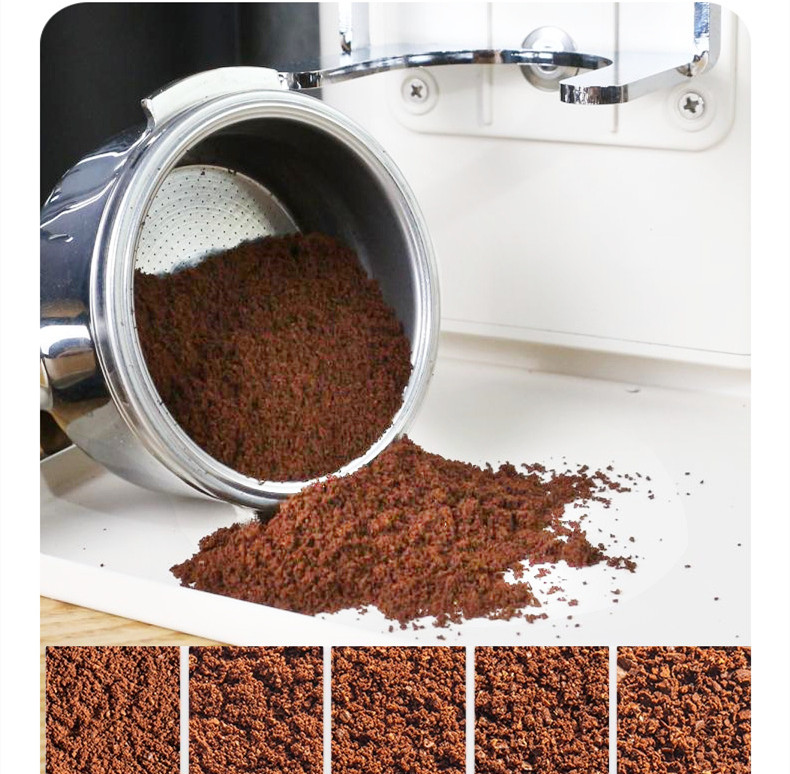
Tailoring Coffee Grinds to Diverse Scenarios: A Grinding Precision Guide
The versatility of coffee grinders extends far beyond basic particle size reduction. By adjusting grind settings, users can adapt coffee preparation to suit distinct environments, brewing methods, and cultural practices. This adaptability transforms the grinder into a dynamic tool capable of meeting the demands of home kitchens, professional cafés, and even unconventional settings.
Home Brewing: Balancing Convenience and Customization
At-home coffee enthusiasts often juggle time constraints with a desire for quality. Grinding techniques here prioritize ease of use while allowing for flavor experimentation. Multi-purpose grinders with adjustable settings enable households to switch between brewing styles without investing in multiple devices.
Mornings on the Go: Quick and Consistent Grinds
For busy mornings, a coarse grind for French press or medium grind for drip coffee offers simplicity. Pre-measuring beans and using grinders with preset timers ensures consistency, even when rushing. Some users adopt a “batch grinding” approach, preparing enough grounds for several days and storing them in airtight containers. This method reduces daily effort while maintaining freshness, provided the grind size is slightly coarser to slow oxidation.
Weekend Exploration: Fine-Tuning for Specialty Brews
Weekends allow for more elaborate preparations, such as espresso or pour-over. Here, finer grinds demand precision to avoid over-extraction. Home baristas often use grinders with micro-adjustments to dial in the perfect texture. Pairing these grinds with manual brewing devices like Aeropress or Chemex turns the kitchen into a lab for flavor discovery. Some enthusiasts even create grind “recipes,” documenting settings for specific beans or roast levels to replicate favorite brews.
Professional Settings: Precision and Efficiency
In cafés and restaurants, grinders must balance speed, consistency, and adaptability. High-volume environments require durable machines capable of handling diverse orders while maintaining quality.
Peak Hours: High-Throughput Grinding
During rush periods, grinders with large hoppers and rapid burr speeds are essential. Coarse grinds for batch brewers or medium grinds for filter coffee dominate these scenarios. To minimize downtime, some establishments use dual-hopper grinders, allowing staff to switch between bean varieties without pausing. Advanced models incorporate sensors that alert baristas when grind size drifts from optimal settings, ensuring every cup meets standards.
Specialty Orders: Custom Grinds for Discerning Customers
For espresso-based drinks or manual brews, precision is paramount. Baristas adjust grind settings based on bean origin, roast date, and even ambient humidity. Fine-tuning these parameters requires grinders with step-less adjustments and clear calibration markers. Some cafés offer “grind-on-demand” services, where customers watch their beans being ground to their preferred texture, enhancing the interactive experience. This level of customization fosters loyalty among coffee connoisseurs.
Outdoor and Travel Scenarios: Portability Without Compromise
Coffee lovers increasingly seek ways to enjoy quality brews in remote locations. Portable grinders now cater to campers, hikers, and travelers, combining compact design with functional precision.
Camping Adventures: Rugged and Reliable Grinding
Outdoor enthusiasts require grinders that withstand harsh conditions. Manual hand-crank models dominate this space, offering durability and independence from electricity. Coarse grinds for French press or cowboy coffee are typical, as they resist clogging in makeshift filters. Some adventurers modify grinders with waterproof casings or attach them to backpacks for on-the-go use. The ritual of grinding beans by hand also adds a meditative element to camping routines.
Travel Convenience: Compact Solutions for On-the-Go
Frequent travelers prioritize grinders that fit into luggage or carry-on bags. These devices often feature foldable handles or collapsible chambers to save space. While battery-powered electric grinders exist, many opt for manual versions to avoid airport restrictions. Travelers adapt their grind sizes based on available brewing methods—fine for hotel room espresso makers or coarse for improvised pour-overs using paper filters and mugs.
Cultural and Social Contexts: Adapting to Traditions
Grinding techniques also reflect cultural practices and social rituals. In regions where coffee ceremonies hold significance, grinders become instruments for preserving heritage.
Ethical Coffee Ceremonies: Community and Ritual
In Ethiopia, the traditional coffee ceremony involves roasting beans over an open flame and grinding them by hand using a mukecha (mortar) and zenezena (pestle). The grind size varies by region—coarse in Harar for bold flavors or medium in Sidamo for balanced acidity. Modern electric grinders are sometimes introduced but often used alongside manual methods to honor tradition. The act of grinding remains central, symbolizing hospitality and community.
Mediterranean Gatherings: Social Grinding Practices
In countries like Turkey and Greece, coffee preparation is a social event. Households use manual brass grinders to produce ultra-fine powders for Turkish coffee. The grinding process, often accompanied by conversation, sets the tone for gatherings. Some families pass down grinders through generations, viewing them as heirlooms. Even in cafés, baristas might grind beans tableside to engage customers in the ritual.
The adaptability of coffee grinders underscores their role as enablers of diverse experiences. Whether optimizing for speed in a café, precision at home, or portability outdoors, grind settings bridge the gap between functionality and cultural expression. As coffee culture evolves, so too will the techniques for tailoring grinds to an ever-expanding array of scenarios.