

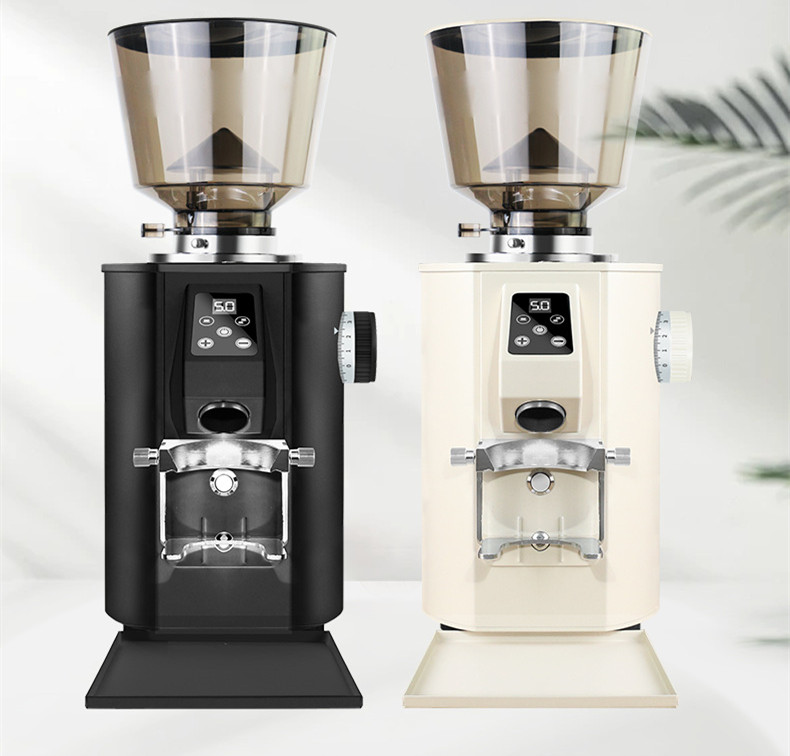
How to Enhance Coffee Investment Value Through Grinding Process Optimization
The quality of coffee grinding directly impacts the flavor, aroma, and overall experience of the final brew, which in turn influences customer satisfaction and brand reputation. For coffee businesses aiming to maximize investment returns, mastering grinding techniques is a critical yet often overlooked strategy. Below are actionable insights to elevate coffee quality through grinding adjustments.
Understanding Grind Size and Extraction Efficiency
The particle size of ground coffee determines how effectively water extracts soluble compounds during brewing. Finer grinds increase surface area, accelerating extraction and intensifying flavors, while coarser grinds slow extraction, producing lighter-bodied results. This relationship is fundamental to balancing acidity, sweetness, and bitterness in the cup.
Matching Grind Size to Brewing Methods
Different brewing devices require specific grind ranges to optimize extraction. For example:
- Espresso machines demand ultra-fine grinds (resembling powdered sugar) to withstand high pressure and short contact time.
- Pour-over drippers thrive with medium-fine grinds (similar to table salt) for controlled flow rates.
- French presses perform best with coarse grinds (like sea salt) to prevent sediment in the cup.
Misaligned grind sizes lead to over-extraction (harsh, astringent flavors) or under-extraction (sour, weak profiles), both of which diminish perceived value. By calibrating grinders for each brewing station, businesses ensure consistency and reduce waste from poorly extracted batches.
Precision Grinding for Flavor Customization
Modern coffee consumers increasingly seek personalized experiences. Offering grind adjustments allows customers to tailor their brews to preferences, such as:
- Lighter roasts: Slightly coarser grinds highlight floral or fruity notes by reducing bitterness.
- Darker roasts: Finer grinds emphasize caramelized sweetness while mitigating burnt undertones.
- Cold brew: Extra-coarse grinds minimize over-extraction during long steeping periods, yielding smooth, low-acid results.
Training baristas to explain grind-flavor connections empowers customers to explore options, fostering loyalty and justifying premium pricing for customized brews. This approach also positions the business as a specialty coffee destination, attracting enthusiasts willing to pay more for expertise.
Maintaining Grinder Performance for Long-Term Quality
A well-maintained grinder ensures consistent particle distribution and prevents contamination that degrades flavor. Key maintenance practices include:
- Daily cleaning: Removing residual oils and grounds prevents rancidity and cross-contamination between bean varieties.
- Burr sharpening: Dull burrs produce uneven grinds, leading to erratic extraction. Regular servicing maintains precision.
- Calibration checks: Using grind size reference charts or tools verifies accuracy, especially after adjusting settings for different beans or brewing methods.
Neglecting maintenance risks inconsistent output, which erodes customer trust and increases operational costs from rework or discarded batches. Proactive upkeep preserves equipment lifespan and safeguards the brand’s reputation for quality.
Leveraging Grinding Techniques for Competitive Advantage
In a crowded market, grinding optimization offers a tangible differentiator. Businesses that prioritize grind quality can:
- Command higher prices: Premium grinds justify premium pricing, especially when paired with single-origin or specialty beans.
- Reduce waste: Accurate extraction minimizes discarded coffee, lowering material costs and environmental impact.
- Expand offerings: Mastery of grind sizes enables diverse menu items, from espresso-based drinks to niche brews like AeroPress or siphon coffee, appealing to adventurous consumers.
By treating grinding as a strategic tool rather than a routine task, coffee businesses enhance both product quality and financial performance, creating a sustainable path to growth in an evolving industry.