

Elevating Premium Coffee Experiences Through Advanced Grinding Practices
The high-end coffee market demands precision, consistency, and innovation at every stage of production. Grinding, as a critical step in flavor extraction, plays a pivotal role in meeting these expectations. By refining techniques, leveraging technology, and aligning with consumer trends, producers and baristas can craft exceptional coffee experiences that resonate with discerning audiences.
Achieving Unparalleled Grind Consistency for Flavor Clarity
Premium coffee relies on uniform particle sizes to ensure balanced extraction and nuanced flavor profiles. Advanced grinding methods are essential to eliminate inconsistencies that compromise taste.
Precision-Controlled Grinding for Specialty Brews
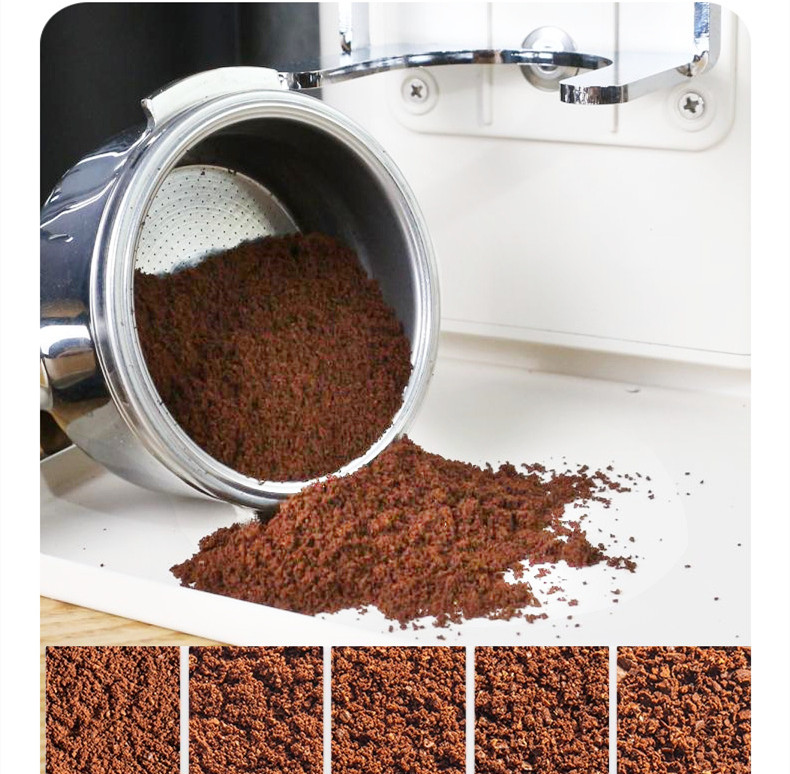
High-end markets prioritize grinders capable of micro-adjustments to suit specific brewing methods. For instance, espresso requires an ultra-fine grind to maximize surface area for rapid extraction, while pour-over methods demand a coarser texture to prevent over-extraction. Baristas working in luxury cafés often calibrate grinders daily based on bean origin, roast level, and humidity. This meticulous approach ensures each cup delivers the intended complexity, from bright acidity to silky body, satisfying aficionados who demand perfection.
Eliminating Fines and Boulders for Clean Tastes
Inconsistent grinds produce “fines” (overly small particles) and “boulders” (oversized chunks), leading to uneven extraction. Premium roasters invest in grinders with dual-bearing systems and sharp burrs to minimize these imperfections. Some even employ sieving techniques post-grinding to remove stray particles. This attention to detail results in a cleaner mouthfeel and more defined flavor notes, distinguishing high-end offerings from mass-market alternatives.
Tailoring Grind Profiles to Origin-Specific Characteristics
The terroir of coffee beans—soil, climate, and altitude—imparts unique flavors that demand customized grinding approaches to highlight their potential.
Grinding for Single-Origin Elevation
Beans grown at high altitudes, such as those from Ethiopia or Colombia, often exhibit floral or fruity notes. To preserve these delicate flavors, baristas adjust grind settings to a medium-fine texture, allowing slower extraction that accentuates acidity and aroma. Conversely, low-altitude beans with chocolatey or nutty profiles may require a slightly coarser grind to balance sweetness. This origin-specific grinding showcases the bean’s inherent qualities, appealing to consumers who value authenticity and craftsmanship.
Micro-Lot Grinding for Rare Varietals
Micro-lot coffees, produced in limited quantities from unique varietals or processing methods, demand bespoke grinding. A rare Gesha varietal from Panama, for example, might be ground to a texture that emphasizes its jasmine-like aroma and tea-like body. Roasters collaborate with farmers to determine optimal grind parameters, ensuring the coffee’s rarity is reflected in every sip. Such tailored approaches position high-end brands as curators of exceptional, unrepeatable experiences.
Integrating Cutting-Edge Technology for On-Demand Customization
The premium segment thrives on innovation, and grinders equipped with smart features enable baristas to meet evolving consumer expectations for personalization and speed.
Smart Grinders with Real-Time Adjustments
Modern grinders incorporate sensors that monitor bean density, moisture, and ambient temperature, automatically adjusting settings to maintain consistency. In a busy specialty café, a smart grinder might detect humidity changes and refine the grind size to compensate, ensuring every espresso shot meets quality standards. This technology reduces human error and supports baristas in delivering reliable premium experiences, even during peak hours.
On-Demand Grinding for Hyper-Personalization
High-net-worth consumers increasingly seek bespoke coffee experiences. Some luxury cafés offer “grind-to-order” services, where customers select beans and a desired flavor profile (e.g., “bright and citrusy” or “rich and chocolatey”). The barista then calibrates the grinder to produce a texture that aligns with the brewing method and flavor goal. This level of customization fosters exclusivity and loyalty, as patrons perceive the coffee as a tailored luxury rather than a commodity.
Sustaining Quality Through Ethical and Transparent Grinding Practices
The premium market values sustainability and traceability, and grinding processes that align with these principles enhance brand credibility and consumer trust.
Ethical Grinding for Fair Trade Compliance
Premium roasters often partner with cooperatives that prioritize fair wages and safe working conditions for grinder operators. Transparent documentation of grinding processes—such as recording batch sizes and energy consumption—supports certifications like Fair Trade or Rainforest Alliance. Discerning buyers are willing to pay a premium for coffee that not only tastes exceptional but also adheres to ethical standards, creating a competitive edge for socially responsible brands.
Low-Waste Grinding for Eco-Conscious Appeal
High-end consumers increasingly favor brands that minimize environmental impact. Grinders designed to reduce dust and retain 100% of ground coffee are gaining popularity. Some luxury roasters repurpose grinding byproducts, such as husks, into compost or biochar, aligning with circular economy principles. Communicating these practices through packaging or digital platforms resonates with eco-conscious buyers, differentiating premium offerings in a crowded market.
By prioritizing consistency, origin-specificity, technological innovation, and sustainability, grinding practices become a cornerstone of success in the premium coffee sector. These strategies not only elevate product quality but also foster emotional connections with consumers who view coffee as a luxury, a craft, and a statement of values. As the market evolves, grinding will remain central to defining what “premium” truly means.