
Key Features of Semi-Automatic Coffee Roasting Machines for Enthusiasts and Professionals
Precision Control Over Roasting Parameters
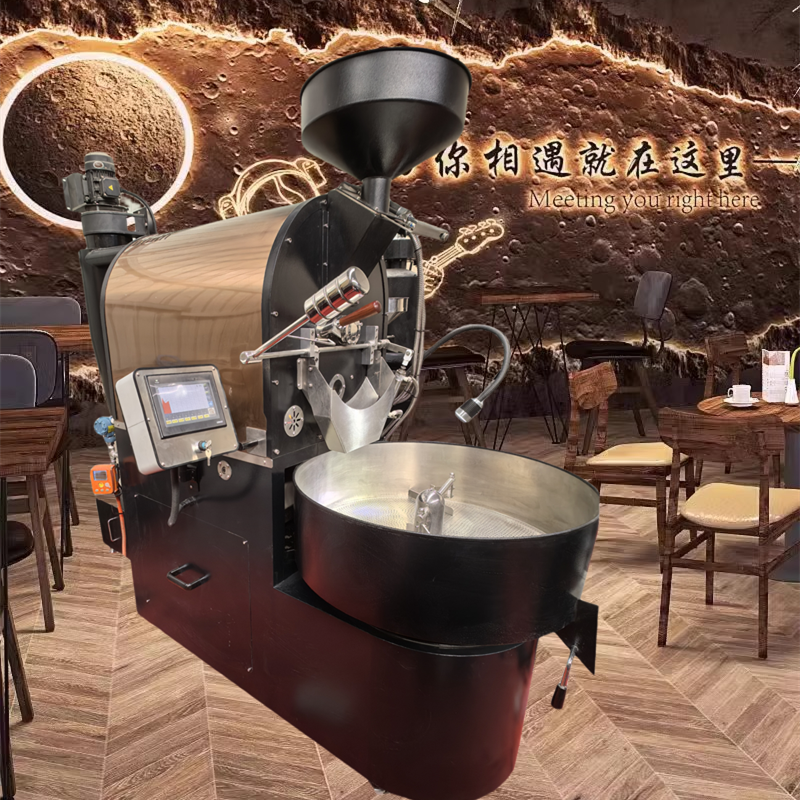
Semi-automatic coffee roasting machines empower users with granular control over critical variables like temperature, pressure, and airflow. Unlike fully automated systems that rely on preset programs, these machines allow operators to manually adjust heating elements and fan speeds in real time. For instance, during the drying phase, users can fine-tune the temperature to prevent scorching delicate beans, while during the development phase, they can modulate airflow to achieve consistent caramelization. This level of precision is particularly valuable when roasting specialty beans with unique flavor profiles, as it enables roasters to highlight specific notes—such as floral or fruity undertones—that might be lost in automated processes.
The manual intervention also extends to batch management. Operators can pause the roast mid-cycle to inspect bean color or aroma, making adjustments to ensure uniformity across batches. This hands-on approach is especially beneficial for small-batch roasters who prioritize quality over volume, as it reduces the risk of over-roasting or under-developing flavors. Additionally, some models feature programmable memory settings, allowing users to save custom roast profiles for future replication while retaining the flexibility to tweak parameters as needed.
Enhanced Flexibility for Experimental Roasting
Semi-automatic machines cater to roasters who view the process as an art form rather than a standardized task. Their design accommodates a wide range of roasting techniques, from traditional drum roasting to innovative methods like fluid bed roasting. For example, users can experiment with variable heat application—such as starting with high heat to accelerate the drying phase before lowering temperatures for a slower Maillard reaction—to create complex flavor layers. This adaptability also extends to bean types; whether roasting single-origin Arabica for its bright acidity or Robusta for its bold body, the machine’s adjustable settings ensure optimal results.
The ability to control roast duration is another advantage. By extending or shortening the cycle, roasters can influence the final product’s body and acidity. A longer roast might yield a fuller-bodied coffee with lower acidity, ideal for espresso blends, while a shorter roast could preserve vibrant acidity for pour-over methods. Furthermore, semi-automatic machines often support “drop-on-demand” functionality, enabling users to end the roast at the precise moment the beans reach their desired development stage, rather than relying on a timer. This feature is crucial for achieving consistency, especially when working with beans of varying moisture content or density.
Manual Operation for Skill Development and Customization
Operating a semi-automatic coffee roasting machine requires a blend of technical knowledge and sensory intuition, making it an excellent tool for aspiring roasters to hone their craft. The process involves monitoring visual cues like bean color changes, auditory signals such as cracking sounds, and olfactory indicators like aromatic development. Over time, users develop an understanding of how these factors correlate with flavor outcomes, allowing them to refine their techniques and create signature roasts. For example, a roaster might learn that a specific bean variety responds best to a slightly lower temperature during the first crack, resulting in a sweeter, more balanced cup.
This hands-on experience also fosters creativity. Roasters can experiment with unconventional approaches, such as introducing natural flavorings during the cooling phase or blending beans mid-roast to create hybrid profiles. The tactile nature of the process—adjusting knobs, observing bean behavior, and making split-second decisions—adds a layer of engagement that automated systems cannot replicate. For professional roasters, this level of customization is invaluable, as it enables them to differentiate their products in a competitive market by offering unique, artisanal blends that appeal to discerning consumers.
Durability and Maintenance for Long-Term Use
Semi-automatic coffee roasting machines are built to withstand the rigors of frequent use, with robust construction materials like stainless steel and heavy-duty motors ensuring longevity. Their modular design simplifies maintenance, as components such as heating elements, fans, and drums can often be replaced individually without requiring a complete system overhaul. This modularity also allows for upgrades, such as installing advanced temperature sensors or improved airflow systems, to enhance performance over time.
Regular cleaning is straightforward but essential for maintaining optimal functionality. Operators can disassemble key parts—like the chaff collector, drum, and air ducts—to remove residue buildup, which, if left unchecked, could affect heat distribution or airflow. Some models feature self-cleaning cycles that automate part of this process, though manual inspection remains necessary for thorough maintenance. By prioritizing durability and ease of upkeep, semi-automatic machines offer a cost-effective solution for roasters seeking a reliable, long-term investment in their craft.